
If you’ve been waiting for a Web3 game that doesn’t feel like a clunky spreadsheet with a login screen, Valora might be what you’ve been looking for. This browser-based MMORPG runs on the Solana blockchain, and the first thing that strikes you is how much it plays like a real game. You explore a hand-drawn world, fight turn-based battles, level up professions, craft gear, and trade with other players. And yes — everything you earn can be sold for real value.
But here’s the kicker: the barrier to entry is basically nothing. You need just 100 VAL tokens to start, which at the time of writing is around two cents. That’s not a typo. For pocket change, you can jump into a full-fledged MMO with a player-driven economy.
Let me walk you through how it works, how to get started, and what makes Valora stand out in the crowded play-to-earn space.
Getting Started: What You Actually Need
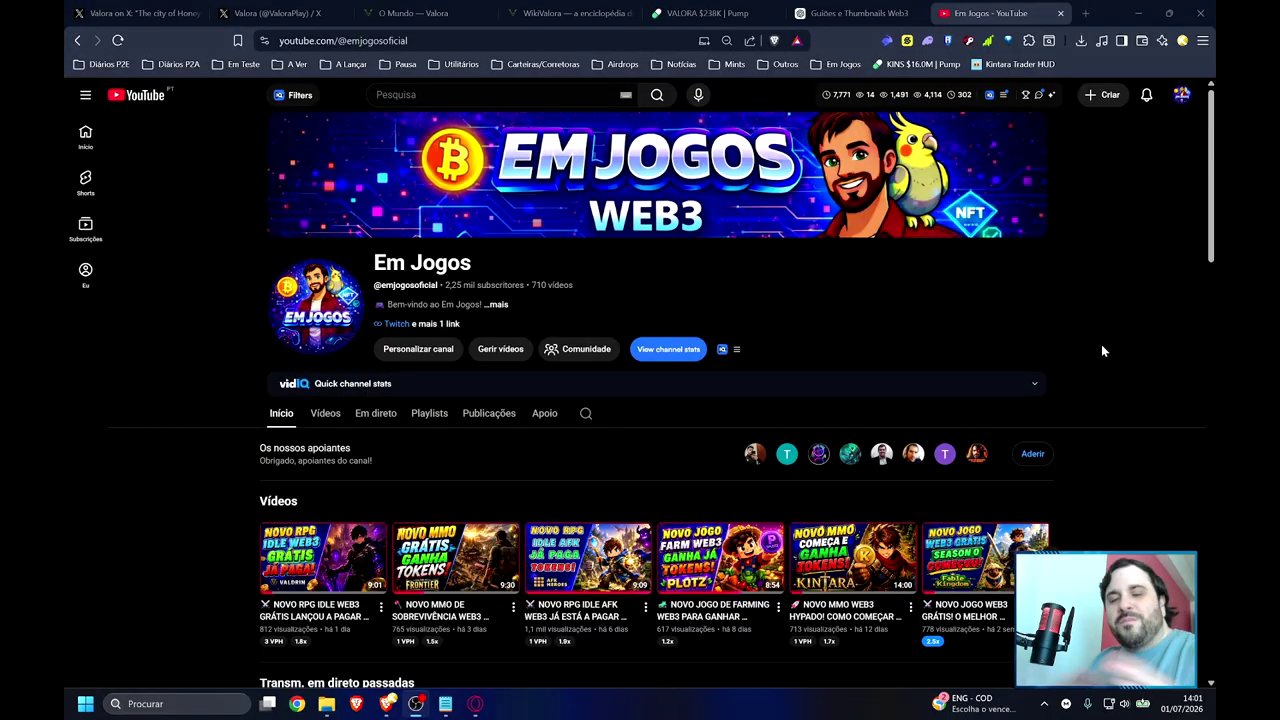
First things first — you need a Solana wallet. Phantom or Solflare both work fine. Head to the Valora website (I’ll drop the link in the description of the original video, and you can find it easily on their official channels), click “Play,” and connect your wallet.
Then comes the 100 VAL token requirement. I know, I know — requiring a token to play sounds like a red flag. But here’s the reality: 100 VAL is roughly $0.02. That’s not a paywall; it’s a dust threshold. You can grab the tokens on Raydium or Jupiter, and you’re in.
Once your wallet’s connected and you’ve got your VAL, you name your character and pick a server. The game is available in multiple languages — Portuguese is supported, and English works smoothly too. You’ll spawn in Honeywell, the main city, and the tutorial kicks in almost immediately.
The Core Loop: Play, Gather, Craft, Sell
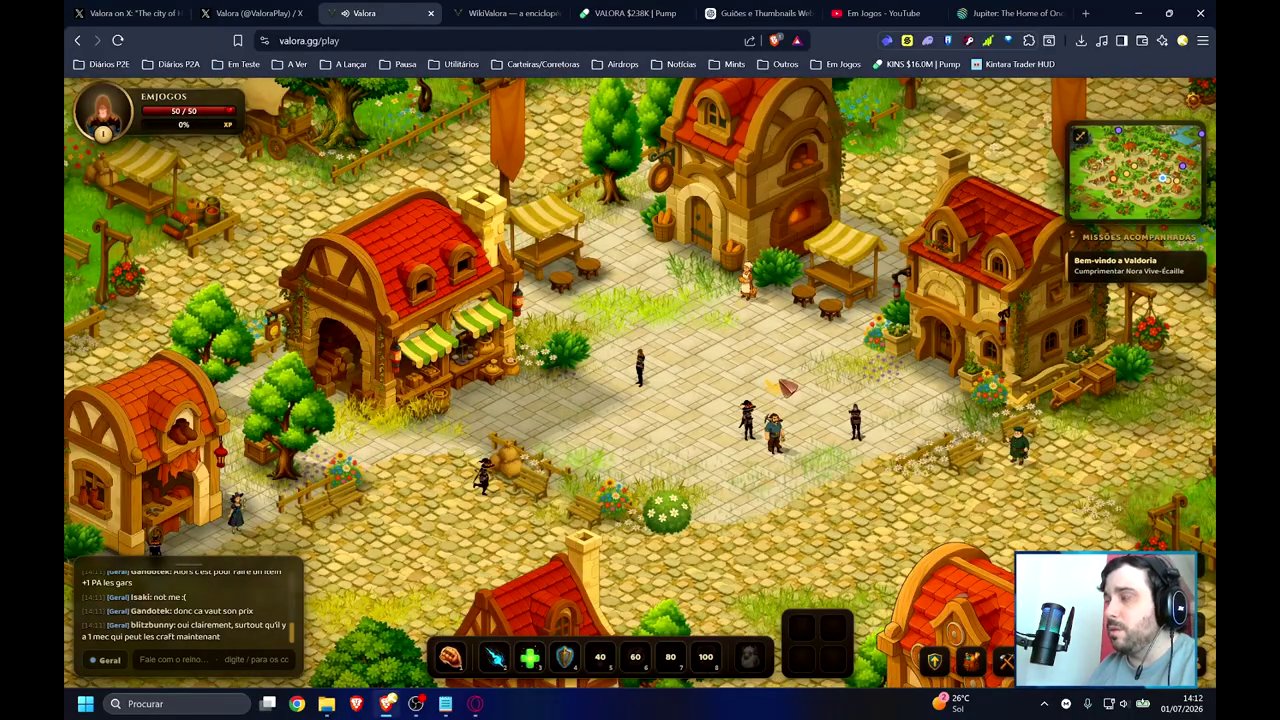
Valora doesn’t throw you into the deep end. The early game is a guided tutorial that teaches you the basics, and it does a solid job of it. You start by talking to NPCs, completing small quests, and learning how the world works.
Movement is point-and-click. Left-click to walk, interact with NPCs, and open menus. The minimap in the corner shows quest markers and NPC locations, so you never feel lost.
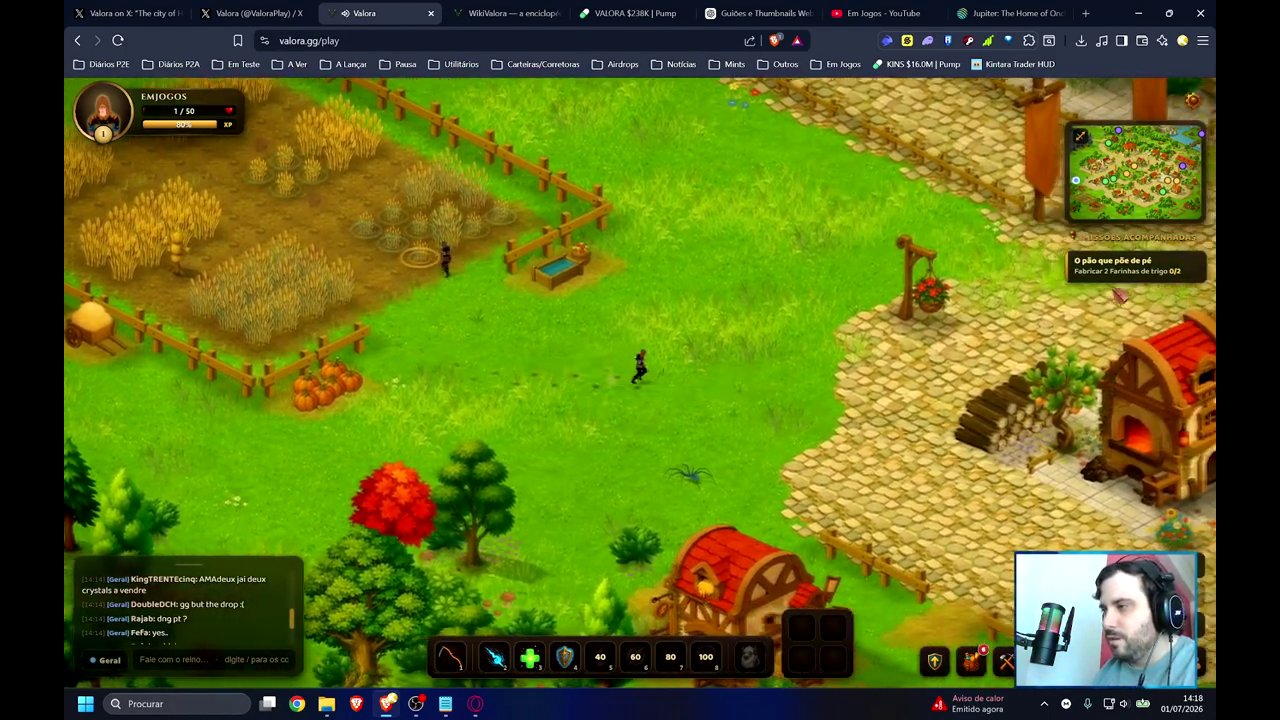
Your first quests involve gathering resources. You get a fishing rod, a pickaxe, an axe, and a scythe — each for a different gathering profession. You’ll fish, mine copper ore, chop wood, and harvest wheat. These aren’t just busywork; they feed directly into the game’s crafting system.
After gathering, you take raw materials to workshops. The bakery, for example, lets you turn wheat into flour and then into bread. The forge lets you smelt copper ore into ingots. Each workshop is tied to a specific profession, and as you level those professions, you unlock the ability to work with better materials.
Combat is turn-based and grid-based. You control your character on a small battlefield, choosing where to move and when to use abilities. It’s not just spam-click — positioning matters, and you unlock new skills as you level up. You also get attribute points to distribute into vitality, strength, spirit, and dexterity, letting you customize your playstyle.
The Web3 Layer: Where the Money Comes From
Here’s where Valora separates itself from games that just slap a crypto logo on a mediocre experience. The in-game economy is built around gold — the standard currency you earn from quests, monster kills, and selling loot to NPCs. You can also sell items directly to other players through the auction house.
When you sell gold or items to another player, you receive VAL tokens directly to your wallet. That’s the play-to-earn loop in action. Everything you do in the game — gathering, crafting, combat — generates value that can be liquidated.
The auction house is straightforward. You list your items for VAL or for gold, and other players buy them. The game doesn’t force you into complicated tokenomics or staking mechanisms. It’s a market, plain and simple.
Professions and Progression: More Than Just Grind
Valora puts a strong emphasis on professions. You’re not just fighting monsters to level up; you’re also leveling your gathering and crafting skills. Each profession has its own level, and higher levels unlock access to rarer resources and better recipes.
For example, mining copper ore is fine at level 1, but you’ll need higher mining levels to extract iron or even rarer ores later. The same goes for fishing, woodcutting, and farming. This creates a natural progression where you’re constantly working toward something — a better pickaxe, a new recipe, a rare fish that sells for a premium.
The game also features relics — rare, hard-to-find items that can significantly boost your character. Finding these feels genuinely rewarding, and because they’re tradeable, there’s a real incentive to hunt them down.
What Makes Valora Different
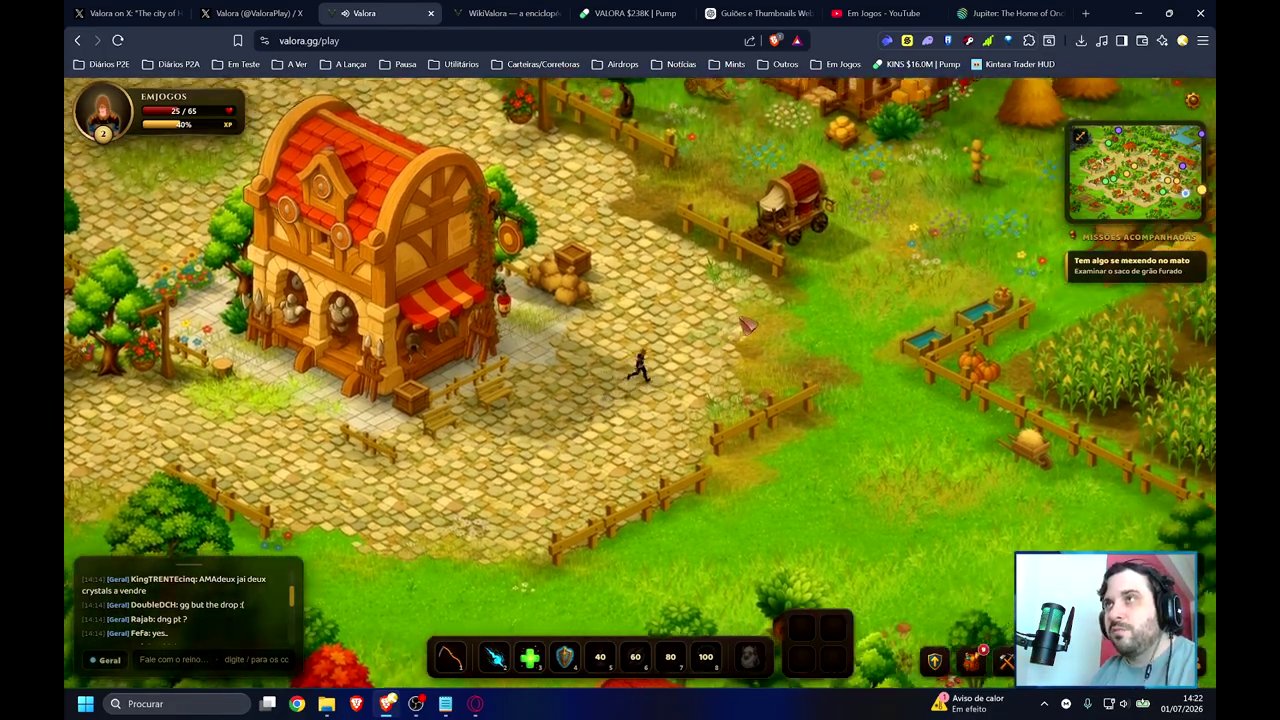
A lot of Web3 games feel like they were designed by economists first and game designers second. Valora feels like the opposite. The hand-drawn art style has charm. The combat has tactical depth. The professions are interconnected in a way that makes the world feel alive.
It’s also completely browser-based. No downloads, no installations, no waiting for patches. You can play from any device with a modern browser. That lowers the friction considerably.
The community is active, and the servers seem to handle the load well. The game has been receiving regular updates, and the developers appear committed to iterating on the experience.
The Verdict: Should You Play?
If you’re curious about play-to-earn but have been burned by unfinished projects or overly complex systems, Valora is worth your time. The entry cost is negligible. The gameplay is solid. The economy is transparent.
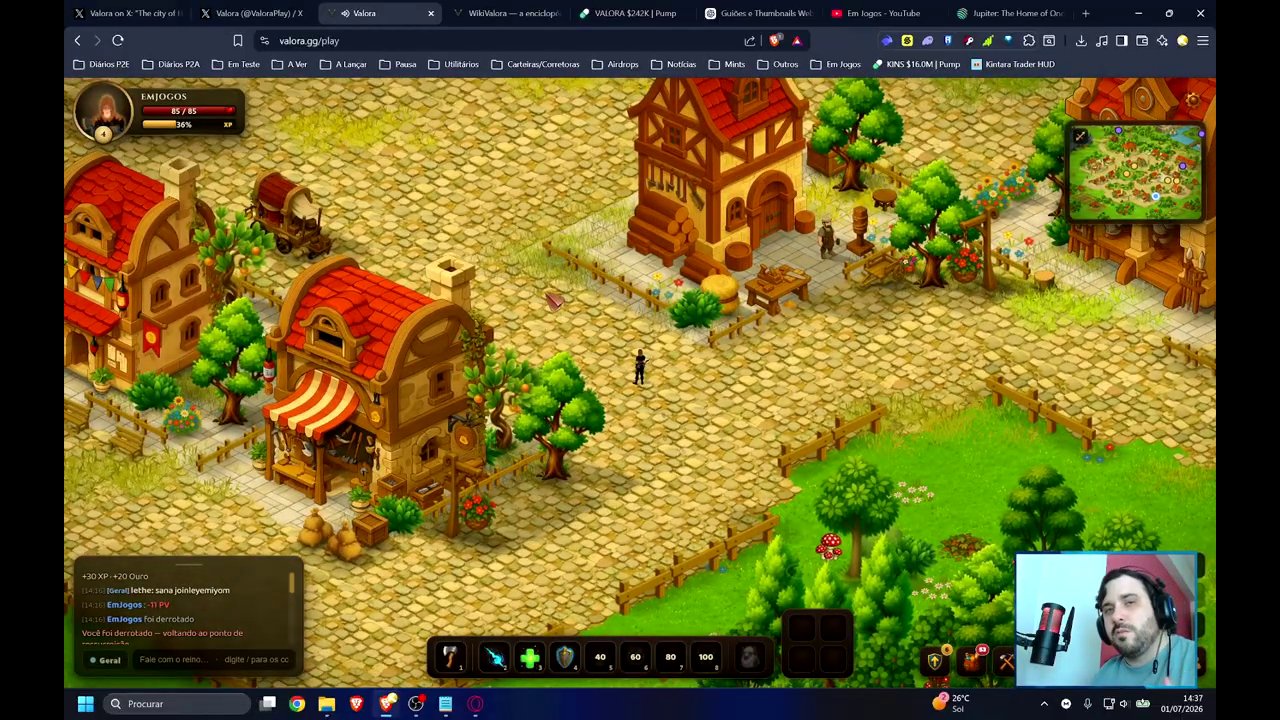
Your goal in the early game is straightforward: hit level 6, gear up, and start exploring harder areas. From there, you can specialize in professions, hunt for rare loot, or jump into PvP and compete for ranking spots.
The key takeaway? Valora respects your time. It’s a game first, a crypto project second. And in a space where that balance is rare, that alone makes it stand out.
So if you’ve got two cents and a Solana wallet, there’s no reason not to give it a shot. Worst case, you’re out the price of a gumball. Best case, you find a new MMO that actually pays you to play.
If you’re new to the whole play-to-earn concept, you might want to check out The Beginner’s Guide to Play-to-Earn for a broader overview of how these economies work. And if you’re looking for other free-to-play options that are actually fun, Three Free-to-Play Crypto Games That Are Actually Fun (And Can Pay) has some solid recommendations.
Happy farming, and I’ll see you in Valdoria.