


You’ve spent hours tweaking your graphics settings, dialing in the perfect mouse sensitivity, and maybe even upgrading your monitor to chase that silky-smooth 144Hz refresh rate. But there’s a good chance you’ve completely neglected the one piece of gear that can make or break your immersion—and your performance. Your audio.
It’s easy to overlook. We’re visual creatures. We see the frame rate counter, we feel the keyboard clicks, but sound? Sound is invisible. That’s why it’s so often the last thing we think about, and the first thing we settle for. But the difference between a decent pair of earbuds and a great pair of gaming-specific audio gear isn’t subtle. It’s the difference between hearing an enemy and knowing exactly where they are.
Why Cheap Audio Costs You Wins
Let’s be blunt. Those generic earbuds that came with your phone, or the budget pair you grabbed at the checkout counter, were not designed for competitive gaming. They were designed for podcasts and the occasional YouTube video. The problem is frequency response and soundstage.
Most cheap earbuds pump up the bass because it sounds impressive in a two-second demo. But in a game like Valorant or Apex Legends, that bloated bass masks critical mid-range and high-frequency details. You don’t need to feel the explosion as much as you need to hear the faint footstep in the grass to your left. That’s the difference between a kill and a respawn screen.
When you put on a pair of earbuds that are actually tuned for gaming, the first thing you notice is the clarity. Sounds that were once a muddy blur separate into distinct layers. The crack of a rifle sounds sharp and directional. The rustle of a player behind a wall has a specific position in space. It’s not just louder—it’s clearer.
The Secret Weapon: Directional Audio
Here’s where it gets interesting. Your brain is wired to locate sounds. It’s an evolutionary survival instinct. In a digital game world, the hardware has to trick your brain into believing that sound is coming from a specific direction. This is called spatial audio or, in more technical terms, HRTF (Head-Related Transfer Function).
The earbuds themselves are only half the equation. The other half is the software or the chip inside the earbuds that processes the audio. A good pair of gaming earbuds doesn’t just play stereo sound; it simulates a 3D environment. You can close your eyes and point at where the shooting is coming from. You can tell if an enemy is above you on a staircase or below you in a basement.
This isn’t magic. It requires precise driver tuning and, often, a dedicated low-latency connection. Bluetooth is convenient, but standard Bluetooth codecs like SBC or AAC introduce a delay. You hear the gunshot a split second after it happens. In a fast-paced game, that split second is an eternity. That’s why many serious players are moving toward low-latency wireless options or sticking with a wired connection for the most reliable performance.
If you are looking at wireless options, pay attention to the latency specs. Look for terms like “gaming mode” or “low-latency codec” like aptX Adaptive or a proprietary 2.4GHz connection. A standard Bluetooth connection will ruin your timing.
What to Actually Look For in Gaming Earbuds
So, you’re ready to upgrade. What do you actually need to look for? Forget the flashy RGB lights and the “pro” branding. Focus on the fundamentals.
First, driver size and tuning. A larger driver (usually 10mm or bigger) can move more air, which helps with bass response and overall volume. But tuning is more important. You want a neutral or slightly V-shaped sound profile that emphasizes the mids and highs without crushing the lows. This keeps footsteps and environmental cues prominent.
Second, microphone quality. If you play team games, your squad needs to hear you clearly. Look for earbuds with a boom mic or an in-line mic with noise cancellation technology. A good mic filters out the sound of your mechanical keyboard clacking and focuses on your voice. There is nothing more frustrating than a teammate who sounds like they are calling in from a wind tunnel.
Third, comfort and fit. You might wear these for three or four hours straight. If they hurt your ears after twenty minutes, they are useless. Look for multiple ear tip sizes (silicone or memory foam). Memory foam tips are a game-changer for passive noise isolation—they mold to the shape of your ear canal and block out background noise naturally without needing active noise cancellation.

The Real-World Experience: Putting Them to the Test
I’ve been through a few pairs of gaming earbuds over the last couple of years. I started with a cheap wired set that cost about fifteen dollars. They worked. I could hear things. But I didn’t realize how much I was missing until I switched to a dedicated gaming pair.
The first time I loaded into a game of Call of Duty, I was standing in a building. I heard a sound to my right. It wasn’t just a generic “noise.” It was a specific footstep on concrete. I turned, pre-fired, and got the kill. That moment felt less like luck and more like information. The audio gave me the intel, and I acted on it.
It’s not just about competitive advantage, either. In story-driven games, good audio pulls you into the world. The rain hitting a metal roof, the distant hum of a spaceship engine, the whisper of an NPC behind you—these details build atmosphere. Playing The Last of Us with muddy audio is like watching a 4K movie on a black-and-white TV. You get the plot, but you miss the art.

The Hidden Cost of “Good Enough”
There is a trap that many gamers fall into. They buy a mediocre pair of earbuds, they work “okay,” and they stop looking. They assume that audio quality is a luxury, not a necessity.
But consider the cost of that compromise. You miss a footstep, you die. You die, you lose the round. You lose the round, you lose the match. Over a hundred matches, that adds up to a significant loss in rank, in enjoyment, and in confidence. The price of a decent pair of gaming earbuds is often less than the price of a new game. Yet a new game will give you a few hours of fun, while better audio will improve every single game you play from that point forward.
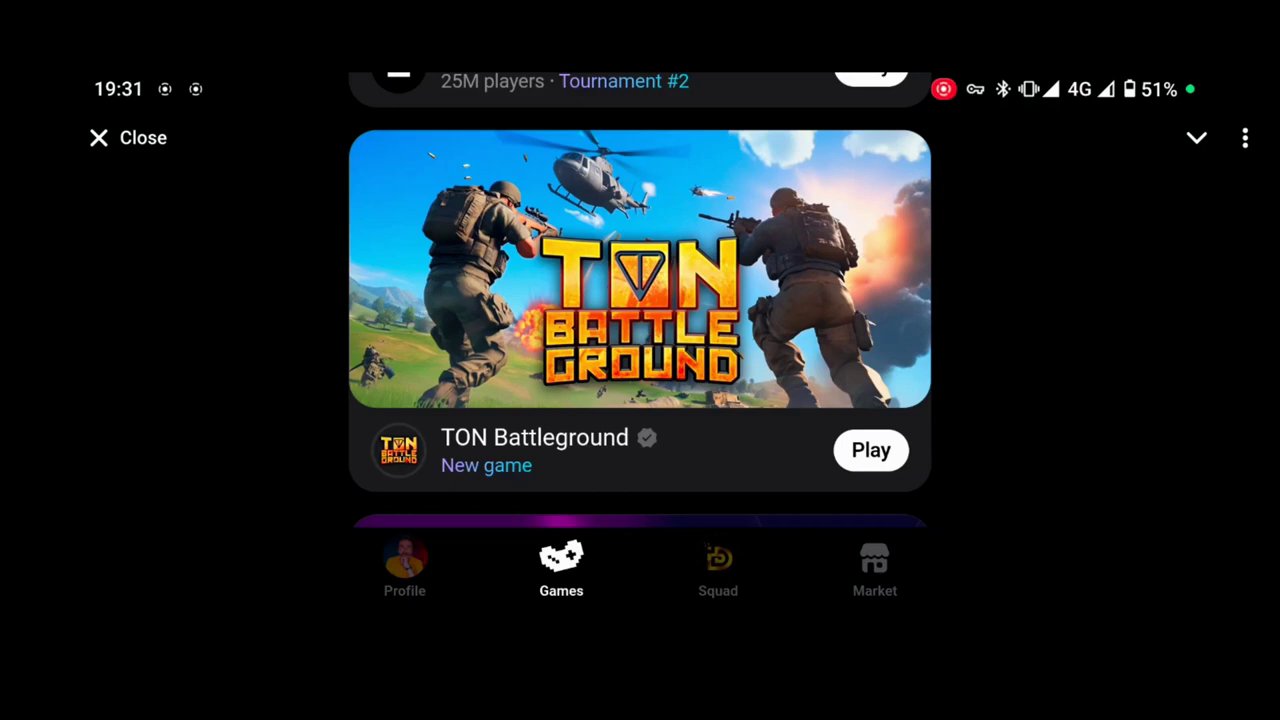
This is where the play-to-earn and crypto gaming scene gets interesting. In games where you are actively earning assets or tokens, every performance edge matters. A split-second advantage can mean the difference between securing a rare drop or losing it to a faster opponent. For anyone serious about that space, audio is not just about immersion—it’s about ROI. You can learn more about how the economy of these games works in The Beginner’s Guide to Play-to-Earn: How Gaming’s New Economy Really Works.
Don’t Overlook the Software
Hardware is only half the battle. Many modern gaming earbuds come with companion apps that let you tweak the EQ (equalizer). This is a powerful tool.
Don’t just leave it on the default “flat” setting. Experiment. If you are playing a battle royale, boost the high-mid frequencies (around 2kHz to 4kHz). That is where footstep sounds live. If you are playing a racing game, you might want more bass to feel the engine rumble. If you are playing an RPG, you might want a wider soundstage to feel the ambiance of a forest.
Spend ten minutes in the app. It’s free, and it can completely change the character of your earbuds. Some apps even have “game-specific” presets that are surprisingly well-tuned. Don’t be afraid to tweak them.
Also, pay attention to the connection stability. If you are using wireless earbuds, keep the source device (your PC, phone, or console) within line of sight if possible. Walls and interference can cause dropouts. There is nothing worse than losing audio for half a second right as you engage an enemy.
The Verdict: Stop Settling
Audio is the most underrated upgrade in gaming. You can have the best GPU in the world, but if you can’t hear the enemy flanking you, you are playing blind. A solid pair of gaming earbuds is a direct investment in your performance and your enjoyment.
You don’t need to spend a fortune. There are excellent options in the $50 to $100 range that outperform headsets costing three times as much. The key is knowing what to look for: low latency, clear mids and highs, a decent microphone, and a comfortable fit.
If you are still using the earbuds you found in a drawer, it is time to change that. Your K/D ratio will thank you. Your teammates will thank you. And you will wonder why you waited so long to actually hear what you were missing.
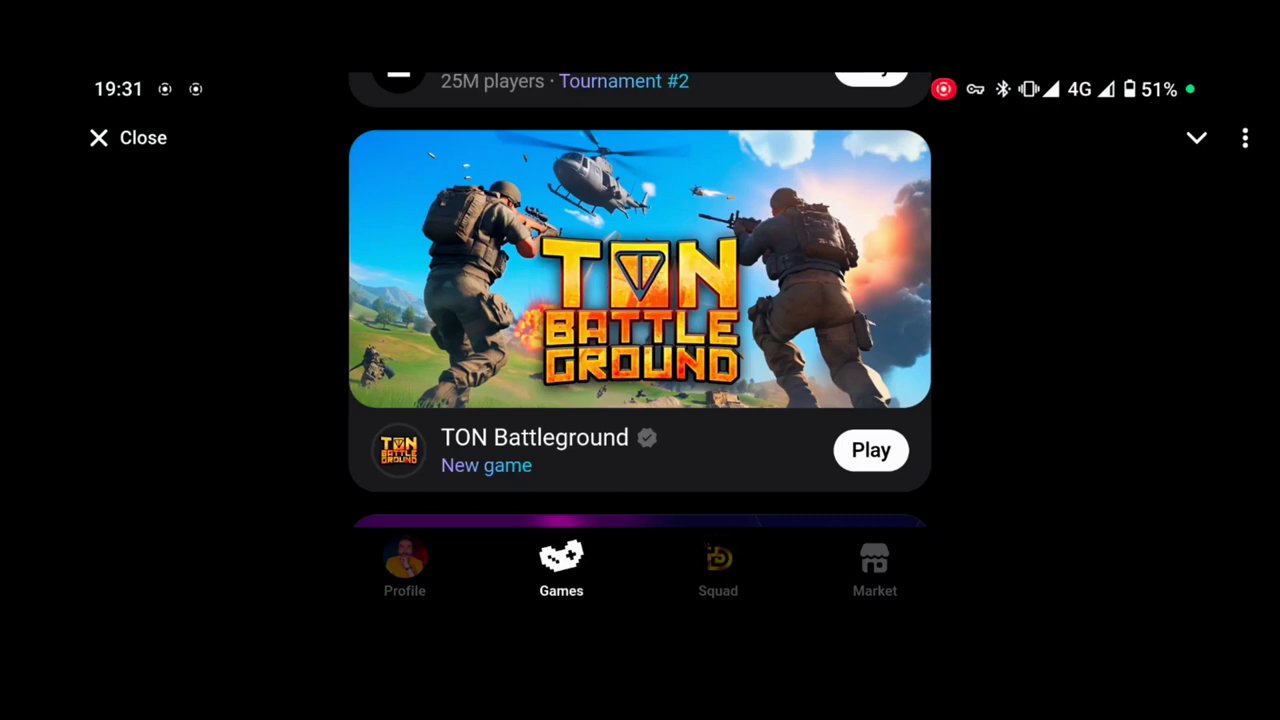
For those looking to pair their new audio gear with the right games, check out some of the best titles that actually reward skill and sound awareness in Three Free-to-Play Crypto Games That Are Actually Fun (And Can Pay). And if you are in the market for a specific recommendation, the latest models from brands like Trogue are pushing the boundaries of what earbuds can do for gamers—you can read about them in Trogue’s New TWS Earbuds: A Premium Audio Experience with Gaming Flair.