
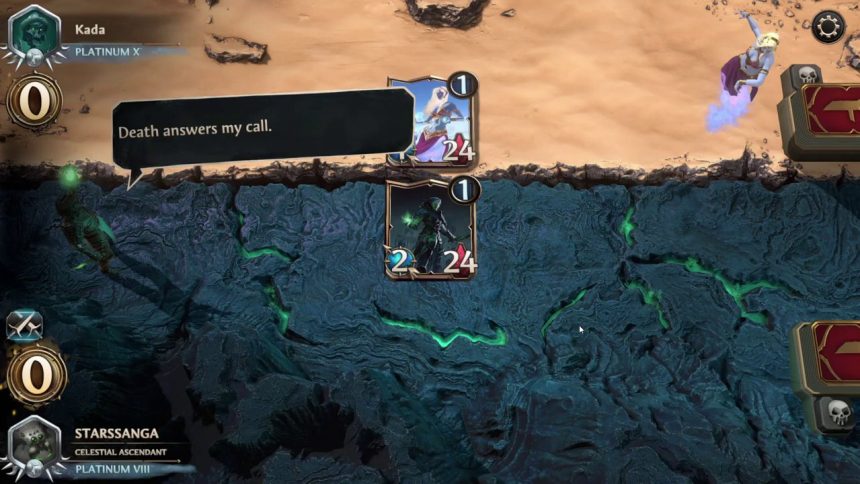
There are moments in life when everything shifts, and you feel something ancient and powerful brush against your consciousness. For me, that moment came when I understood that death doesn’t just take — it gives. It answers when you call. It empowers.
I know how that sounds. Let me explain.
What Thomas Taught Me
Let me consider Thomas. Not the doubting Thomas from scripture, though there’s something to that story too. I’m thinking about the Thomas who understood that knowledge doesn’t come from comfort. It comes from the edges of experience, from staring into the void and refusing to blink.
Thomas represents something we’ve forgotten in our modern world. We think wisdom comes from books, from lectures, from scrolling through perfectly curated information. But real knowledge? The kind that changes you? That comes from confronting what scares you most.
I spent years collecting information like others collect stamps. Articles saved. Videos bookmarked. Courses half-finished. I was busy, productive, and completely unchanged. The knowledge didn’t elevate me because I never let it touch the parts of me that needed to be broken open.
Then I stopped running from the hard stuff. I started asking questions that made me uncomfortable. What happens when the things I rely on fall away? What am I without my titles, my achievements, my carefully constructed identity?
That’s when death answered my call.
The Empowerment That Changes Everything
Here’s what nobody tells you about confronting mortality: it doesn’t have to be depressing. It can be the most liberating thing you’ll ever do.
Death empowers me. Not in some dark, edgy way. Not because I’ve made peace with dying — that’s too simple. It empowers me because every day I wake up knowing that this moment matters. The small stuff? It stays small. The big stuff? I actually face it now.
Think about the last time you avoided something important because it felt too heavy. A conversation you needed to have. A decision you needed to make. A dream you needed to chase. We all have them. And we all tell ourselves the same story: there’s time. I’ll get to it later.
But that story is a lie we tell ourselves to stay comfortable. And comfort is the enemy of growth.
When you let death into your awareness — not as something to fear, but as something to acknowledge — everything shifts. Priorities rearrange themselves. You stop wasting energy on things that don’t matter. You start saying no to what drains you and yes to what feeds you.
I’ve watched people transform when they finally understand this. Not through some dramatic near-death experience, but through the simple daily practice of remembering that their time is limited. It sounds morbid. It’s actually the opposite.
How Knowledge Actually Elevates
There’s a difference between information and knowledge. Information is passive. It sits in your brain like files on a hard drive, taking up space but doing nothing. Knowledge is active. It changes how you see, how you decide, how you live.
The transcript has a line that sticks with me: “Knowledge elevates me.” But elevation doesn’t come from accumulation. It comes from integration. You have to let what you learn reshape you.
I’ve made this mistake more times than I can count. I’d read something profound, nod along, feel smart for having consumed it — and then go back to living exactly as I had before. That’s not knowledge. That’s entertainment dressed up as growth.
Real knowledge hurts a little. It asks you to let go of things you’re attached to. It challenges your assumptions. It shows you where you’ve been wrong, and that’s uncomfortable. But that discomfort is the price of elevation.
The people I respect most aren’t the ones who know the most facts. They’re the ones who have let their knowing change their being. They’re different because of what they’ve learned. You can see it in how they move through the world.
Bless Me: The Request We Should All Make
At the end of the transcript, there’s a simple phrase: “Bless me.”
It’s easy to read that as religious, and maybe it is. But I think it’s something more universal. It’s the cry of someone who understands they can’t do this alone. Someone who has looked at the weight of their existence and said, “I need help.”
Here’s the thing about asking for a blessing: it requires humility. You have to admit you’re not enough on your own. You have to open yourself to something beyond your control.
In a world that tells us to be self-sufficient, to pull ourselves up by our bootstraps, to be the heroes of our own stories — asking for a blessing feels weak. But it’s actually the strongest thing you can do. It’s the recognition that life is bigger than you, that you’re part of something, that you need connection.
I’ve started asking for blessings in my own way. Not from a deity necessarily, but from the universe, from the people I love, from the work I do. I ask that I might be worthy of the time I’ve been given. That I might use it well. That I might not waste it on things that don’t matter.
Living With Death as Your Teacher
This isn’t about being morbid or dark. It’s not about giving up on life or living in constant fear. It’s the opposite.
When death answers your call, when you stop running from the reality of your own finitude, something strange happens. Life gets brighter. Colors are more vivid. Relationships feel more precious. The ordinary becomes extraordinary.
I’ve found that the people who live most fully are the ones who have faced their mortality honestly. They’re not reckless. They’re not trying to pack everything in before the clock runs out. They’re simply present. They know that this moment — right now — is all any of us actually have.
The transcript says “Death empowers me.” I used to think that meant something dark. Now I understand. It means that by accepting the end, I’m free to truly live the middle. The fear of losing everything is replaced by the gratitude of having anything at all.
What This Means for You
You don’t have to have a dramatic revelation to start living differently. You don’t need a near-death experience or a tragedy. You just need to stop pretending you have forever.
Start small. Ask yourself one question each morning: If today were my last, would I do what I’m about to do? Not in a dramatic way, but honestly. Would I spend my time on this? Would I hold onto this grudge? Would I avoid this conversation?
The answers will surprise you.
And when you find yourself hesitating to make a change, remember: the discomfort of growth is temporary. The regret of never trying is permanent. Death doesn’t have to be your enemy. It can be your teacher, your motivator, your guide.
It answered my call. It elevated my knowledge. It gave me power I didn’t know I had.
All I had to do was stop running.