
If you grew up dreaming of catching ’em all, and you’ve been curious about play-to-earn crypto games, Tokemons might be exactly what you’ve been waiting for. This new browser-based game blends classic monster-taming mechanics with blockchain rewards, letting you capture, battle, and sell NFT creatures for real money. And the best part? You can start playing right now, completely free.
- What Is Tokemons and How Does It Work?
- Getting Started: Choosing Your Starter and First Steps
- My First Big Mistake (Don’t Repeat This)
- Exploring the First City and Understanding the Basics
- Combat, Leveling, and Type Matchups
- Capturing NFT Monsters: The Tricky Part
- Selling Your NFTs on Magic Eden
- Progression, Badges, and What Comes Next
- A Few Tips Before You Start
- Final Thoughts
I’ve spent some time grinding through the early areas, making mistakes, capturing a few monsters, and figuring out how the whole system works. Here’s everything you need to know to get started, avoid my beginner blunders, and hopefully catch your first valuable NFT.
What Is Tokemons and How Does It Work?
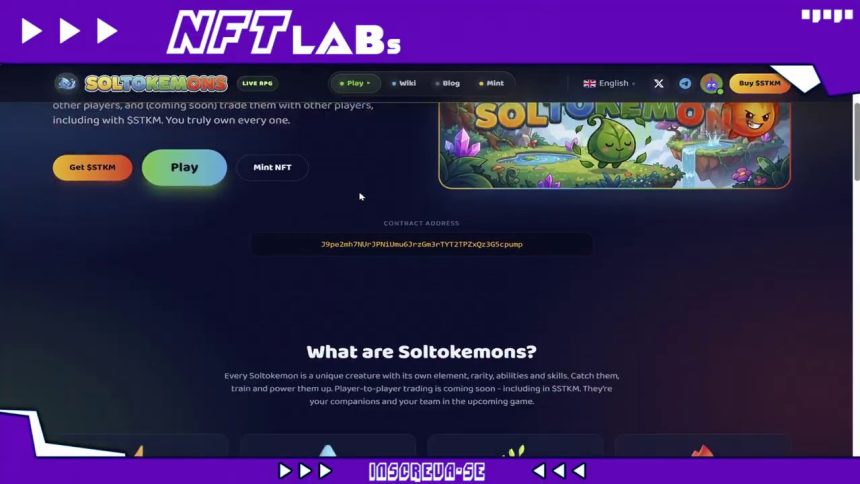
Tokemons is a play-to-earn game built on the Solana blockchain. It’s heavily inspired by the classic Pokémon formula — you choose a starter monster, explore towns, battle wild creatures and trainers, and collect badges. The twist? Some of the monsters you encounter are NFTs, and you can sell them on marketplaces like Magic Eden for Solana (SOL).
The game’s economy revolves around the STKM token, also on Solana, which you can earn by capturing and trading NFT monsters. At the time of writing, the token had a market cap of around 49,000, and a couple of NFT monsters were already listed for 0.51 SOL each — roughly $41 at the time, or about 222 Brazilian reais.
That’s not life-changing money, but for a free game you can play in your browser, it’s a pretty sweet bonus.
Getting Started: Choosing Your Starter and First Steps
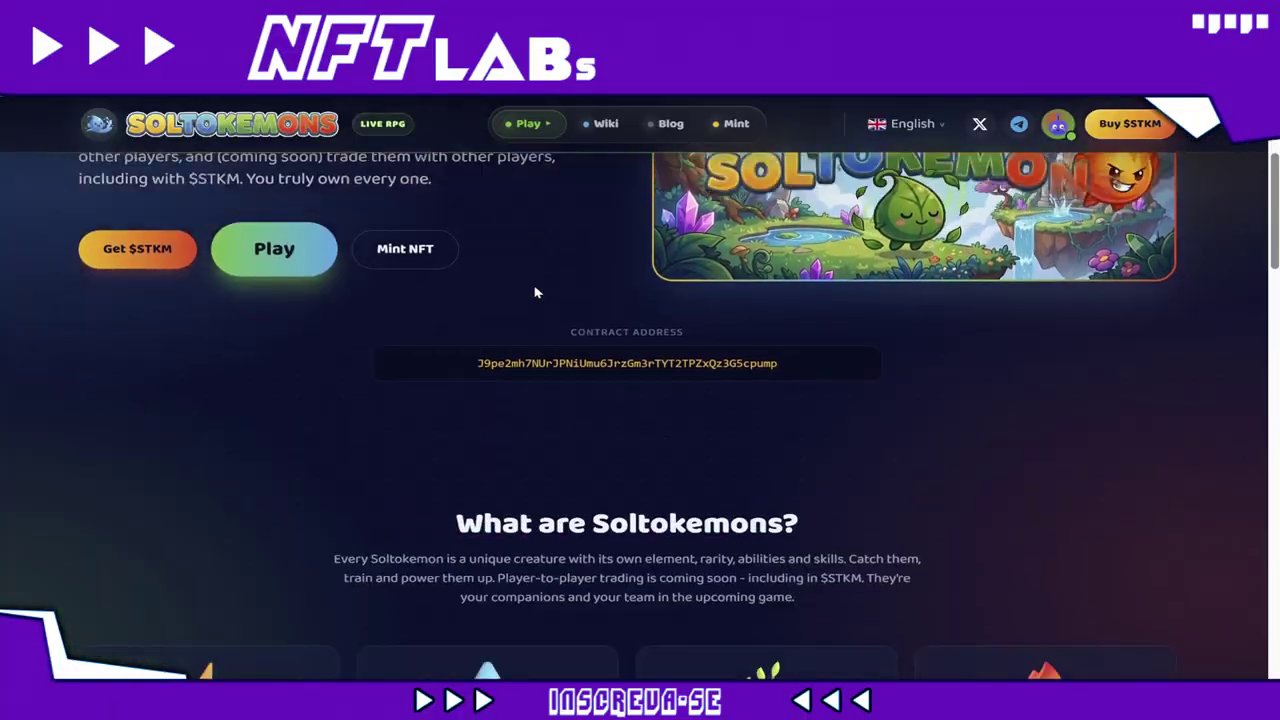
Head over to the official Tokemons website and hit the Play button. The first thing you’ll do is pick a starter monster from four types: Electric, Water, Fire, and Grass. Each has a short description of its strengths — which hits harder, which is tankier, and so on. I went with Fire because it’s always been my favorite, but honestly, any choice works for the early game.
After that, a quick tutorial screen explains the core loop: battle wild monsters, capture the ones marked as NFTs, and sell them for profit. Not every monster you encounter will be an NFT — only those with a special NFT badge visible during battle.
My First Big Mistake (Don’t Repeat This)
Right in the first battle, I spotted a wild monster with the NFT badge floating above its head. Excited, I attacked without thinking. One hit, and it was knocked out. Gone.
That NFT was worth real money, and I just vaporized it.
Here’s the rule: you need to weaken an NFT monster until it has just a sliver of health left, then throw your capture net. If it still has too much HP, it’ll break free. Hit too hard, and you kill it. Finding that sweet spot takes practice.
Lesson learned: always check for the NFT badge before attacking, and use your weakest moves to chip away its health.
Exploring the First City and Understanding the Basics
After that first battle, you’ll arrive in the starting town. This is where you’ll spend a lot of your early game. Every house can be entered — just walk up to a door and click. Inside, you’ll find NPCs to talk to, and some of them give quests or sell items.
The first building I entered was the shop. Here you can buy potions, capture nets (the game’s version of Poké Balls), bait to attract more monsters, and protective gear. Different towns have different shop inventories, so always check when you arrive somewhere new.
The in-game currency is gold, which you earn by winning battles. You’ll need it for supplies, so don’t skip any fights.
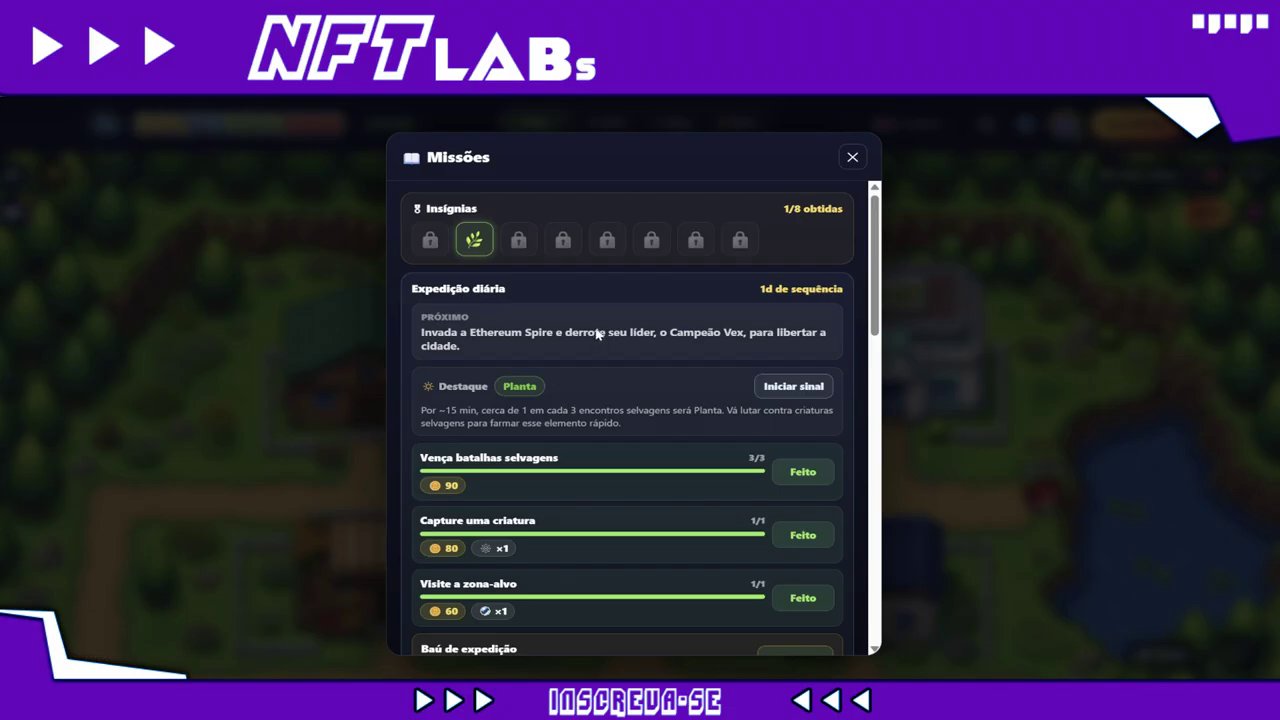
One thing I’d strongly recommend: talk to every NPC you see. There’s a little dog character early on who kicks off an important quest chain. Click on the notebook icon at the top of the screen to check your active quests. Completing them rewards you with gold and items, and eventually unlocks a treasure chest.
Combat, Leveling, and Type Matchups
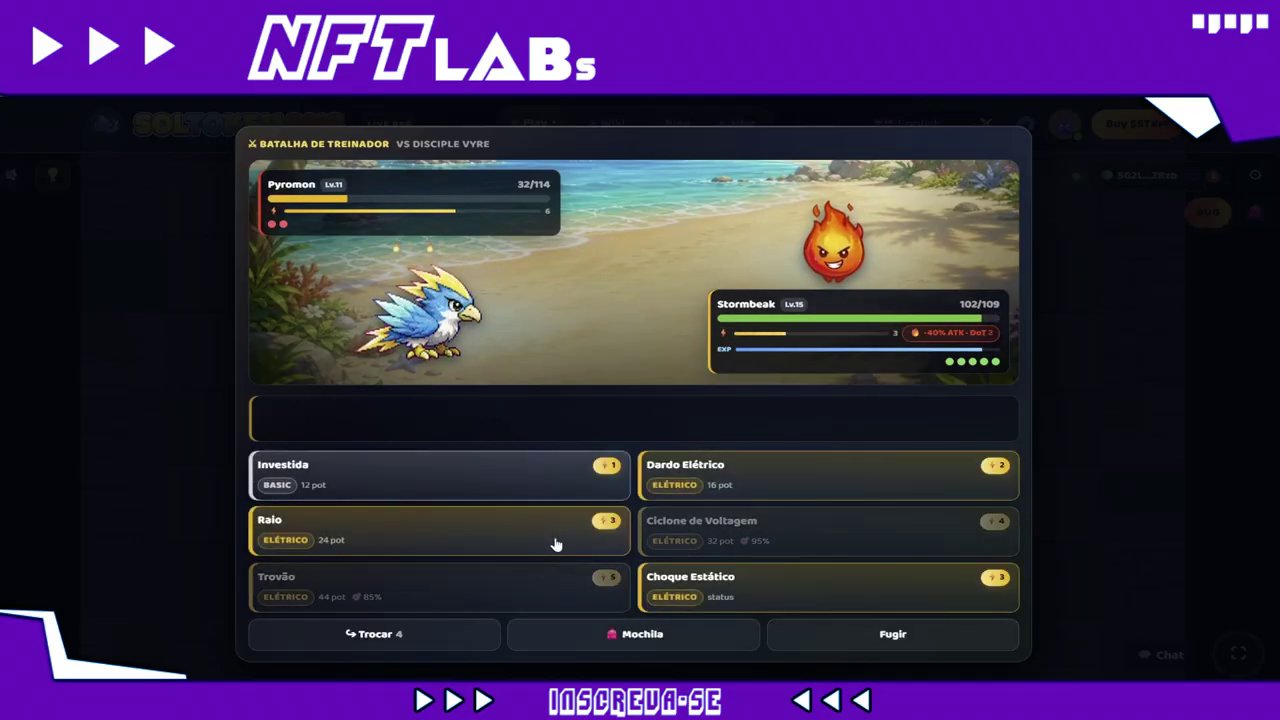
The battle system is turn-based and straightforward. Each monster has a normal attack and a type-based special attack. I usually open with the special move since it deals more damage, then switch to normal attacks to manage my energy.
That yellow energy bar under your monster’s health depletes with each attack but regenerates a bit every turn. You’ll need to balance using strong moves and saving energy for later.
Winning battles grants experience points (which level up your monsters) and gold. Leveling up increases your monster’s stats and can lead to evolution. You can check the evolution chart in the game’s wiki tab — for example, the Fire starter evolves at level 30 into a stronger form, and again at level 75.
Type matchups matter a lot. Electric beats Water, Water beats Fire, Fire beats Grass, Grass beats Electric. There’s also a secondary type chart involving Rock, Ice, Fairy, and Wind. Using a strong matchup can end battles in two or three turns.
Capturing NFT Monsters: The Tricky Part
Not every wild monster is an NFT, but when you find one, you’ll know. It has a distinct blue badge floating above it. Some are even marked as rare.
The capture process is fiddly. You need to reduce the monster’s HP to a sliver without knocking it out. If it has too much health, it’ll break free from your net. If you hit too hard, it faints. I lost four NFT monsters before I finally caught one — my team was simply too strong, and even my weakest attack one-shotted them.
Here’s a tip: carry a low-level monster in your party specifically for weakening NFT captures. Use its weakest move, and if the HP bar is still more than a tiny red sliver, switch to an even weaker attack. It’s better to under-hit and try again next turn than to over-hit and lose the monster.
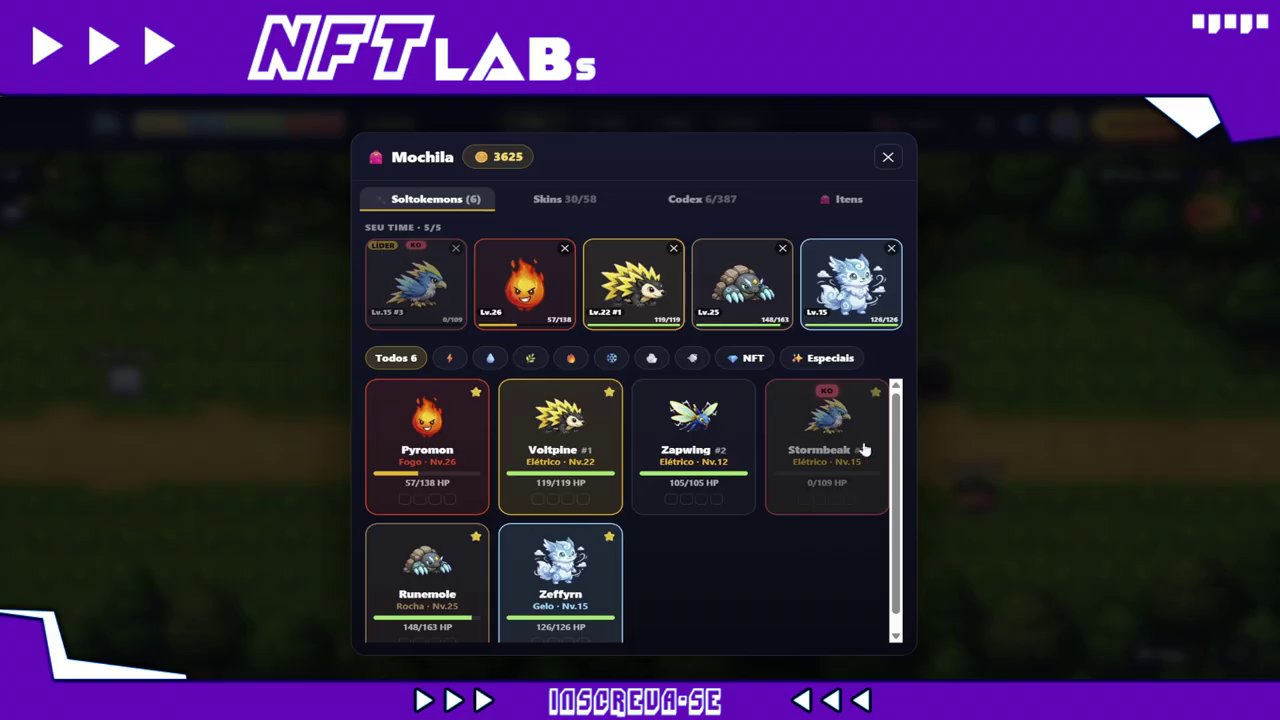
Once you successfully catch an NFT monster, it goes into your bag. From there, you’ll need to mint it on-chain before you can list it for sale. That requires connecting a Solana wallet — I use Phantom, which is the easiest option — and paying a small minting fee in STKM tokens. I haven’t minted one myself yet (still hunting my first catch), but the process involves clicking the login button at the top of the screen and following the prompts.
Selling Your NFTs on Magic Eden
Once minted, you can list your Tokemons NFT on Magic Eden, the leading Solana marketplace. At the time I checked, only two monsters were listed — a Rock type and an Electric type — both priced at 0.51 SOL. That’s roughly $41 each.
But here’s the reality check: the game had only been out for about three days when I played. The value of these NFTs depends entirely on the game’s popularity. If Tokemons takes off, those early monsters could be worth a lot more. If it fizzles, you might not sell anything. This is a speculative play, not a guaranteed paycheck.
If you’re new to the play-to-earn space, it’s worth understanding how these economies work before diving in headfirst. For a broader overview, check out The Beginner’s Guide to Play-to-Earn: How Gaming’s New Economy Really Works.
Progression, Badges, and What Comes Next
As you move through the game, you’ll travel between towns, each with its own shops, NPCs, and trainers. After the first city, you’ll reach Solana City, which has a healing center where a girl will restore all your monsters’ HP for free.
Defeating trainers earns you badges, which are tracked in your quest book. I picked up a blue badge after winning a tough 2-on-2 battle. These badges are part of the game’s progression system and likely unlock new areas or abilities.
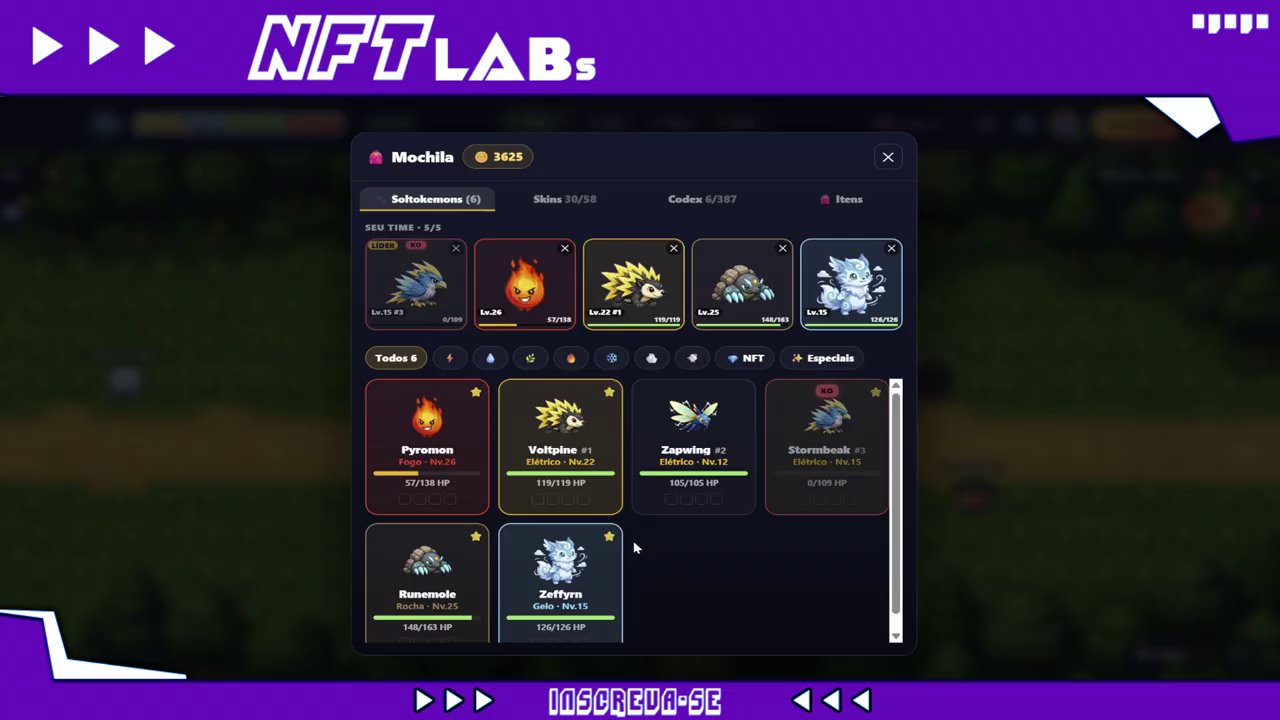
The game also has a Codex that tracks every monster you’ve captured — there were 387 different creatures available at launch. Collecting them all is a solid long-term goal, even if you’re not in it for the money.
A Few Tips Before You Start
- Talk to everyone. Quests and items are hidden everywhere. That random NPC in a corner might give you a free capture net.
- Manage your energy. Don’t spam special attacks. Normal attacks conserve energy for longer battles.
- Keep a weak monster in your party. You’ll need it for NFT captures once your main team gets too strong.
- Check the shop in every new town. Some sell items you won’t find elsewhere.
- Don’t get greedy. The NFT market for a new game is volatile. If you catch something valuable and someone offers a fair price, consider selling. Holding for a moonshot is a gamble.
If you’re looking for other free-to-play crypto games that are actually fun, there are plenty of options worth exploring alongside Tokemons.
Final Thoughts
Tokemons scratches the nostalgia itch while adding a real financial incentive. It’s not the most polished game in the world, and the capture mechanic needs some refinement, but it’s free, browser-based, and genuinely fun for a few hours. Whether you walk away with a few bucks in your wallet or just enjoy the ride, it’s worth a shot.
The key is managing expectations. This isn’t a get-rich-quick scheme. It’s a game first, with a side of earning potential. Play it because you enjoy catching monsters and exploring towns. If you happen to catch a rare NFT that sells for 0.51 SOL, consider that a nice bonus.
Now go catch ’em all — and try not to accidentally knock out your first NFT like I did.