

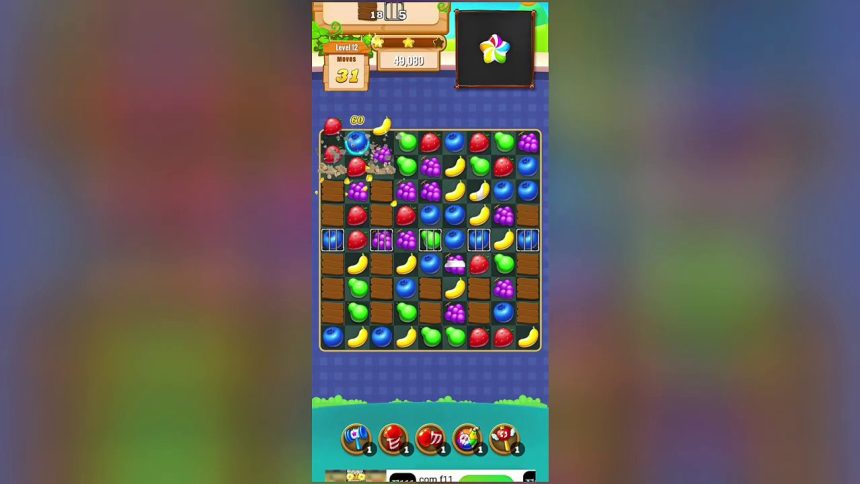
Sitting down with a match-three puzzle game might seem like a way to kill time, but when you’re chasing a Torox offer or a Vie Faucet reward, those levels suddenly feel like a real challenge. I’ve been grinding through Fruity Mayhem’s early stages, and let me tell you—levels 12 through 20 are where the game stops holding your hand. The fruit combinations get trickier, the move limits get tighter, and the pressure to hit that target score starts to build.
- Starting Strong: Level 13 and the Importance of Move Economy
- Level 14: When the Difficulty Ramps Up
- Level 15: Oranges Enter the Mix
- Level 17: Obstacles and Variety
- Level 19: The Character, the Rabbit, and the Mission
- Power-Ups: When and How to Use Them
- The Bucket Icon and Rewards
- Common Mistakes to Avoid
- How This Connects to Play-to-Earn
- Final Thoughts: Grind Smart, Not Hard
If you’re trying to complete this offer for a payout, you need more than just luck. You need a plan.
Starting Strong: Level 13 and the Importance of Move Economy
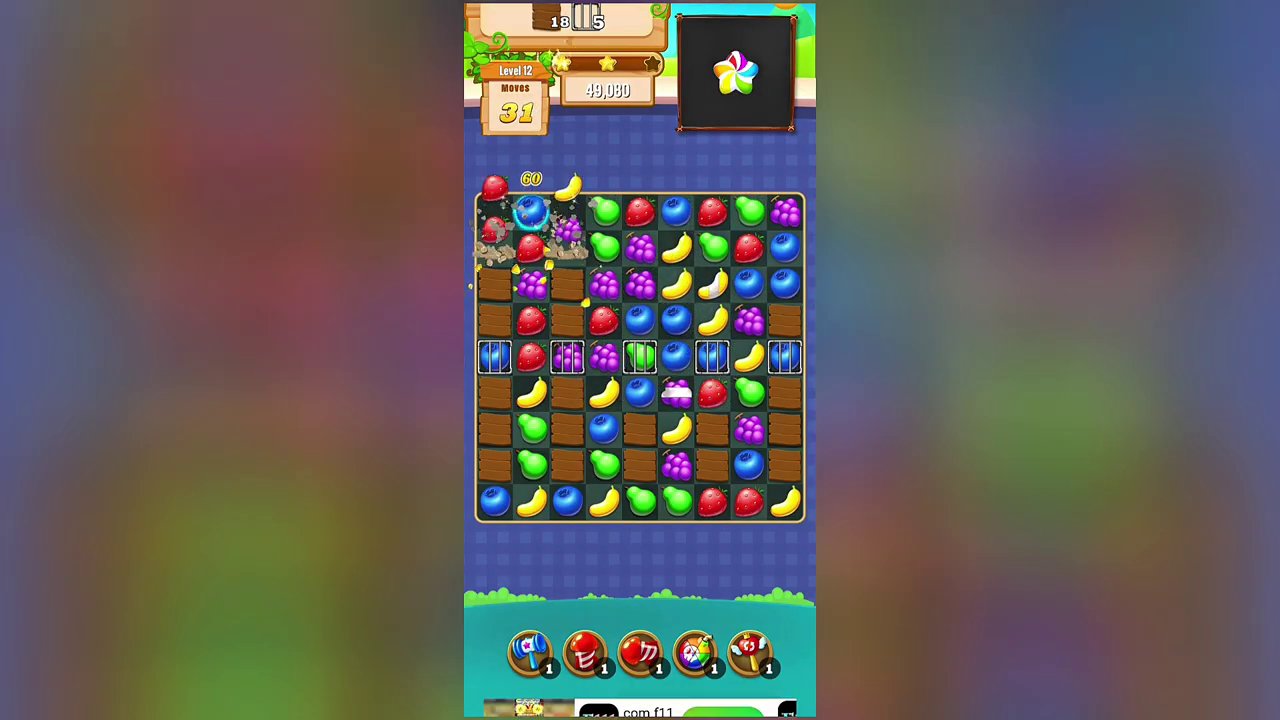
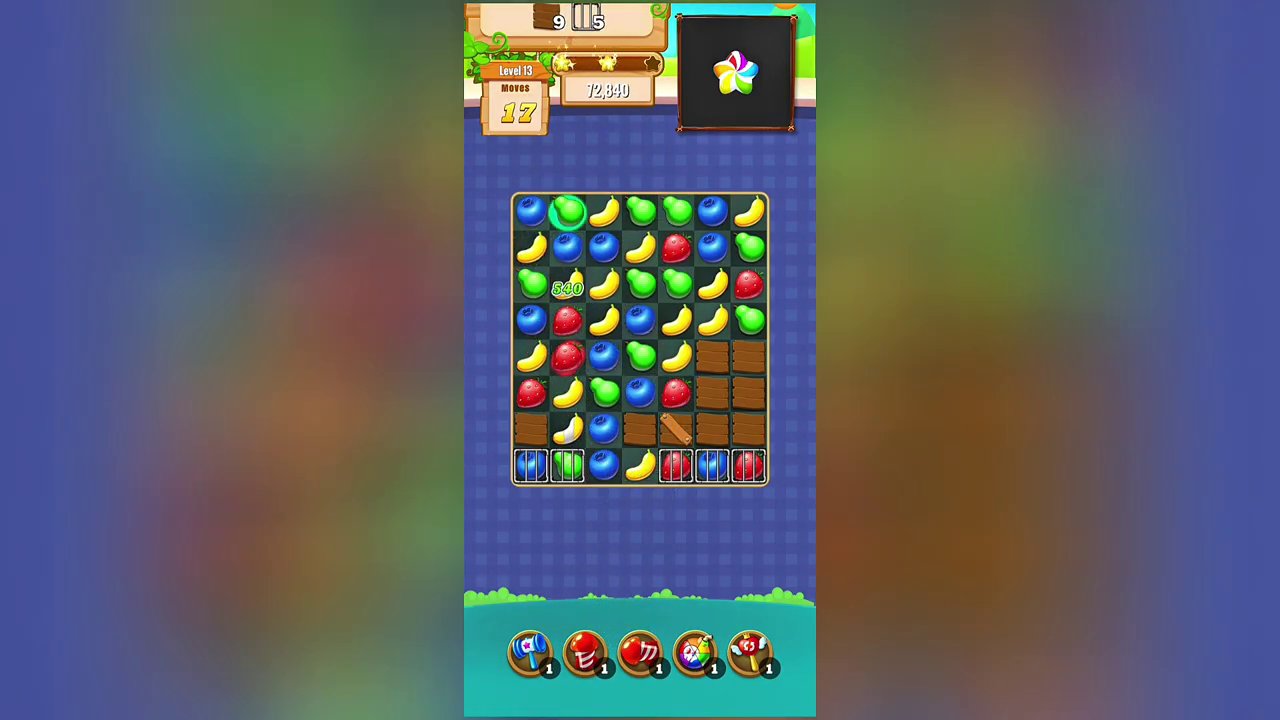
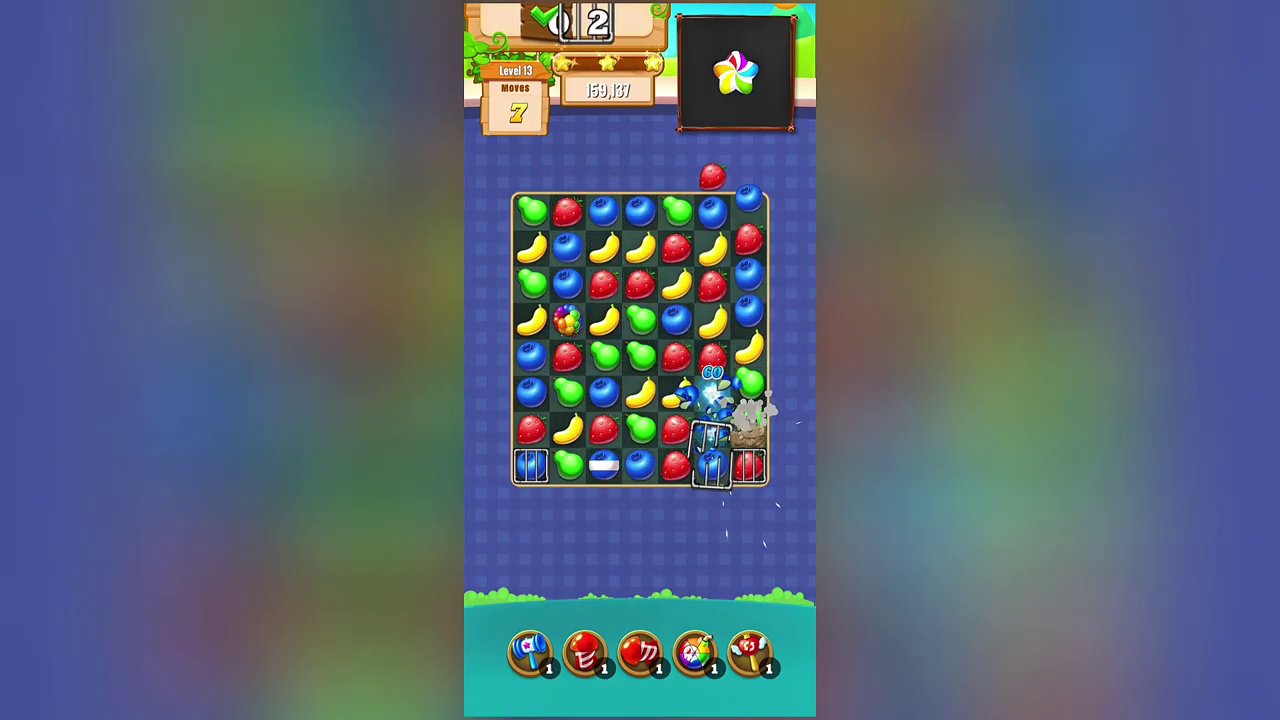
The run kicks off at Level 13, and right away, you’ve got 23 moves to rack up +2,330 points. That sounds generous until you realize the board is packed with fruits that don’t always line up in your favor. Bananas, apples, blueberries, and grapes are the main players here. The core mechanic is simple—swap adjacent fruits to create sets of three or more horizontally or vertically—but the skill lies in planning two or three moves ahead.
Here’s a tip I wish I’d known earlier: don’t just grab the first match you see. Scan the board for potential cascades. A single swap that triggers a chain reaction can clear half the board and double your score in one turn. On a level with limited moves, those cascades are your best friend. Waste moves on small matches, and you’ll find yourself staring at a “Level Failed” screen with only a few points to spare.
Level 14: When the Difficulty Ramps Up
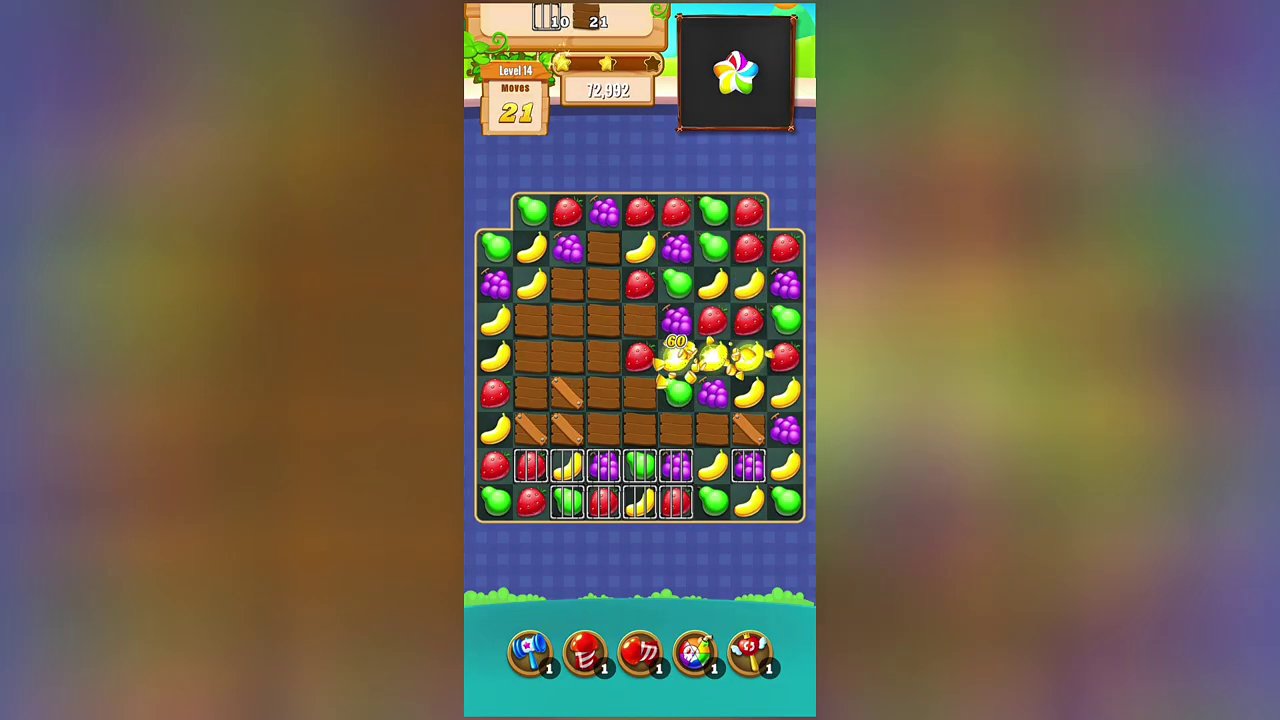
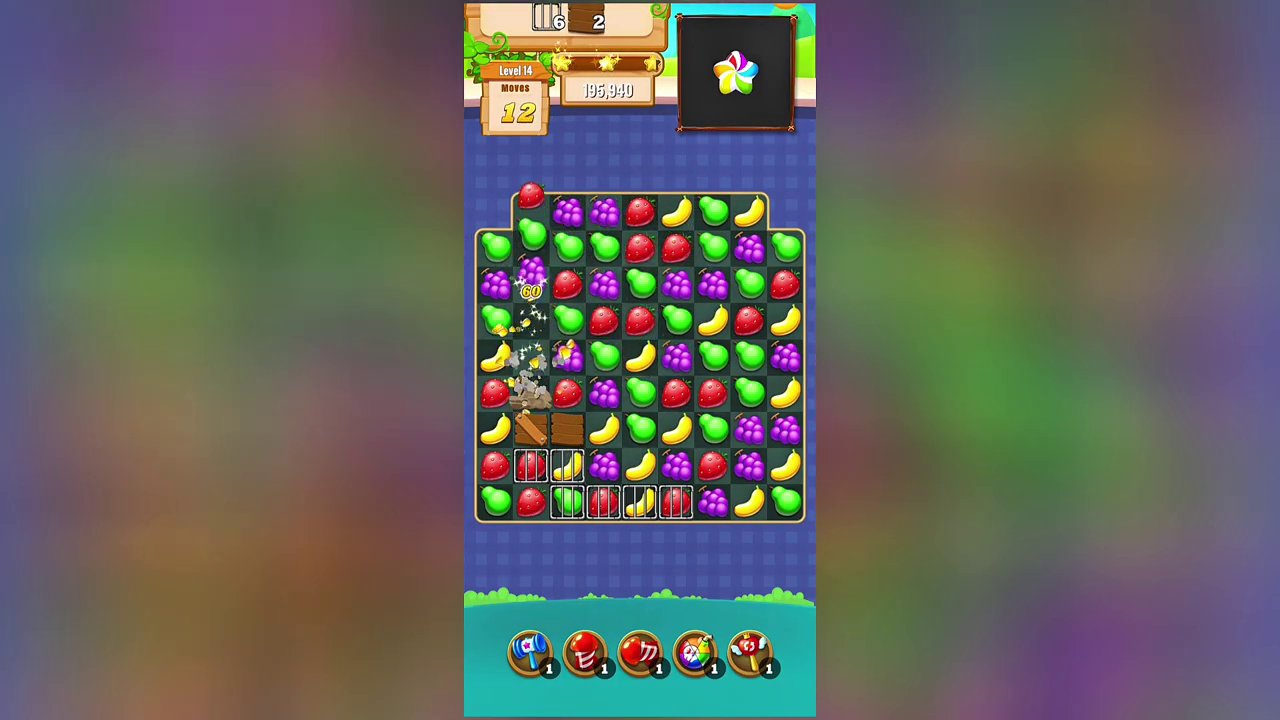
Level 14 is where the game starts to flex its muscles. You’re given only 9 moves to hit 205,590 points. That jump in required points compared to the previous level is no accident. The game wants you to think strategically, not just swipe frantically.
Nine moves means you can’t afford a single wasted turn. Every swap needs to contribute to the goal. I found myself relying more on the edges of the board—matches near the bottom often cause the most disruption, dropping new fruits into place and creating unexpected combos. If you’re stuck, try focusing on the lower half of the grid first. Gravity works in your favor here.
Level 15: Oranges Enter the Mix
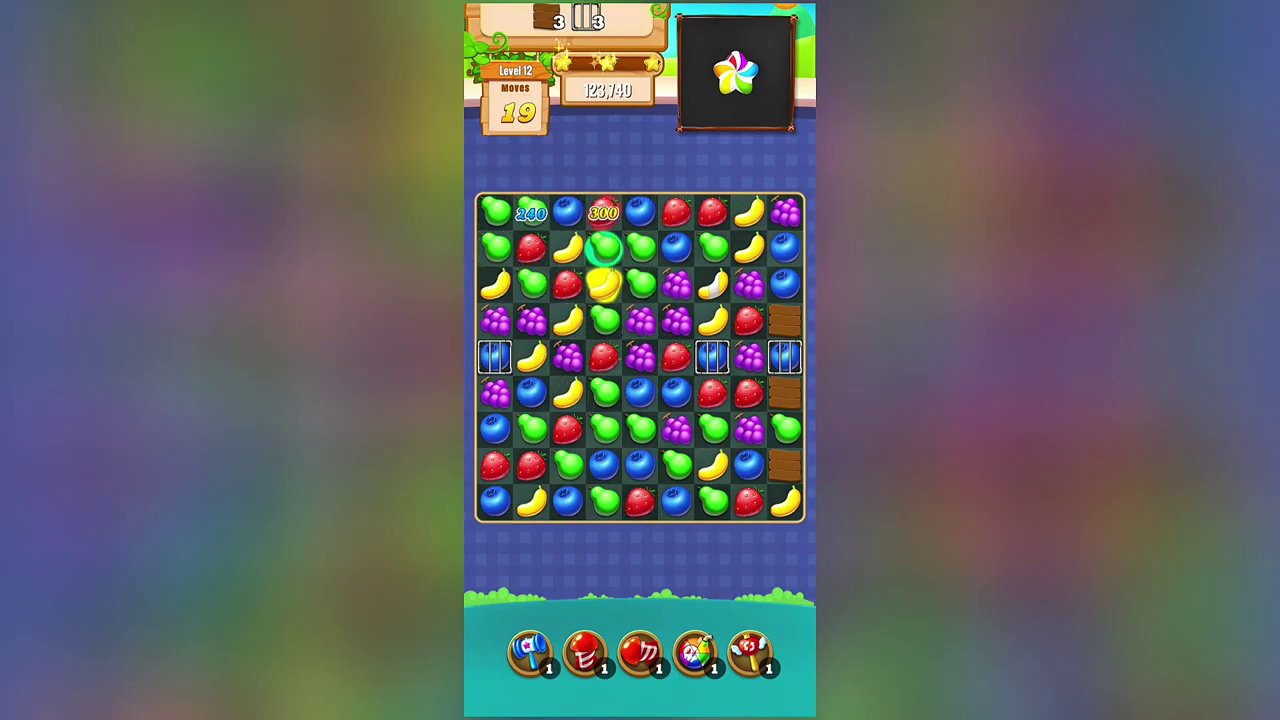
By Level 15, the game introduces oranges. New fruit means new patterns to learn, and the board feels more crowded. You’ve got 23 moves and 233,920 points to chase. The oranges don’t behave differently from other fruits mechanically, but their presence dilutes the pool, making it harder to line up matches of the same type.
This is where I started paying closer attention to the color distribution. If you see too many of one fruit and not enough of another, don’t force a match. Instead, try to break up clusters that are blocking potential combos. Sometimes the best move is to create space rather than score points immediately.
Level 17: Obstacles and Variety
Level 17 throws 16 moves and 37,449 points at you. The point requirement is lower here, but the board layout is more complex. Obstacles start appearing—those little blockers that take up space and prevent easy matches. You’ll need to clear them before you can really start scoring.
A common mistake I see players make is ignoring obstacles early. They focus on quick matches and run out of moves before the board opens up. My approach: prioritize clearing one or two obstacles per turn in the first half of the level. Once the board is free, the points come much faster.
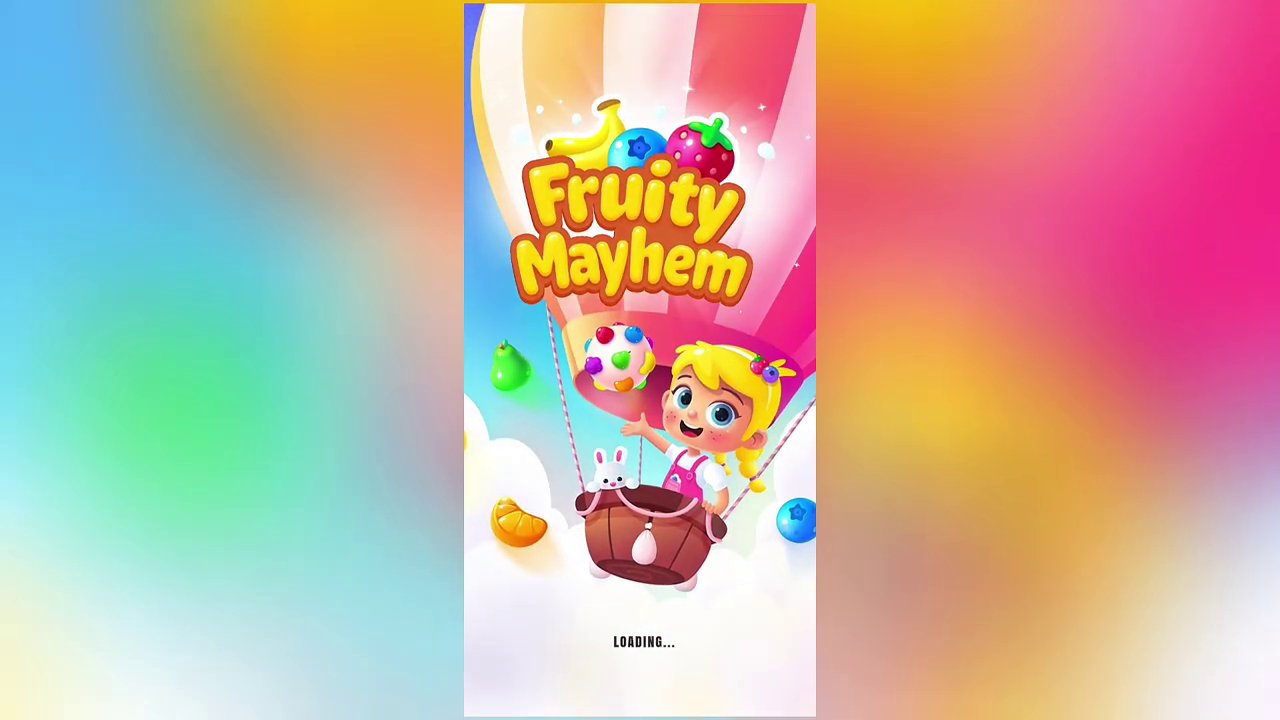
Level 19: The Character, the Rabbit, and the Mission
Level 19 introduces a bit of personality. A cartoon girl with blonde hair and a pink dress appears on screen, accompanied by a white rabbit. Her speech bubble has an exclamation mark—excitement or surprise, probably both. The game flashes a message: “Mission the Goal!” with a target icon showing numbers 50 and 12.
What does that mean exactly? It looks like you need to collect 50 of one fruit type and 12 of another within the given moves. That’s a dual objective, and it changes how you play. You can’t just focus on high scores anymore. You need to track which fruits you’re collecting and adjust your strategy on the fly.
This is where power-ups become essential. By Level 19, you should have access to tools like the hammer, bomb, rocket, globe, and swap tool. These aren’t just decorations—they’re lifelines. Use the bomb to clear a dense cluster of the fruit you need. The rocket can take out a row or column that’s blocking your target. The swap tool lets you rearrange a stuck board.
Don’t hoard these power-ups. I used to save them “for later,” and then later never came. If you see a chance to use a power-up to secure a mission goal, take it.
Power-Ups: When and How to Use Them
Let’s talk about the tools at your disposal. The game gives you:
- Hammer – Smashes a single fruit or obstacle. Great for precision removal.
- Bomb – Explodes in a small radius. Use it on dense clusters.
- Rocket – Clears an entire row or column. Perfect for obstacles near edges.
- Globe – Likely a wildcard or color bomb that matches any fruit. Save this for when the board is nearly full of one color.
- Swap tool – Lets you exchange two adjacent fruits without matching them. Handy for breaking deadlocks.
The key is knowing when to use each. Don’t waste a bomb on a single fruit—that’s what the hammer is for. Don’t use the rocket on a row with only one obstacle—you’ll clear space but lose the chance to trigger a cascade. Think of power-ups as multipliers for your strategy, not crutches.
The Bucket Icon and Rewards
At certain points in the video, a bucket icon appears on screen. That’s your reward indicator—you’ve completed a level or achieved a specific goal. For anyone doing the Torox or Vie Faucet offer, this is the moment that matters. The offer tracks your progress, and each completed level brings you closer to the payout.
Don’t skip the reward screens. Some offers require you to claim the reward manually or wait for the game to sync. Close the game too fast, and the offer might not register. Take an extra ten seconds to let the confirmation appear.
Common Mistakes to Avoid
After running through these levels a few times, I noticed patterns that trip up most players:
- Moving too fast. Speed doesn’t help if you’re making bad matches. Slow down, look at the whole board, and plan.
- Ignoring the move count. It’s easy to get tunnel vision on points. But if you’re running out of moves, switch to survival mode—focus on clearing obstacles or making matches that create cascades.
- Forgetting the mission goal. On levels like 19, you need specific fruits. Don’t waste moves on matches that don’t contribute to the target.
- Saving power-ups for the perfect moment. The perfect moment might never come. Use them when they can make a difference.
How This Connects to Play-to-Earn
If you’re here because you want to earn rewards from gaming, you’re not alone. The play-to-earn space has grown fast, and offers like Torox and Vie Faucet are a straightforward way to get started. You play a game, complete tasks, and get paid. It’s not complicated, but it does require focus.
For a deeper look at how this ecosystem works, check out The Beginner’s Guide to Play-to-Earn: How Gaming’s New Economy Really Works. It explains the mechanics behind these offers and how to maximize your time.
Final Thoughts: Grind Smart, Not Hard
Fruity Mayhem levels 12 through 20 are a test of patience and strategy. The game doesn’t get brutally hard overnight, but it does demand more thought than the early tutorials. If you’re playing to earn, treat each level like a mini-mission. Track your moves, use power-ups wisely, and don’t get discouraged by a failed attempt.
The reward at the end is real. Whether it’s crypto, gift cards, or in-game currency, completing a Torox offer feels good. And honestly, the satisfaction of finally beating a tough level? That’s its own reward.
If you’re exploring other ways to earn through gaming, you might also enjoy Three Free-to-Play Crypto Games That Are Actually Fun (And Can Pay). It covers a few titles that balance entertainment with earning potential.
Now get back to matching those fruits. The next level isn’t going to clear itself.