

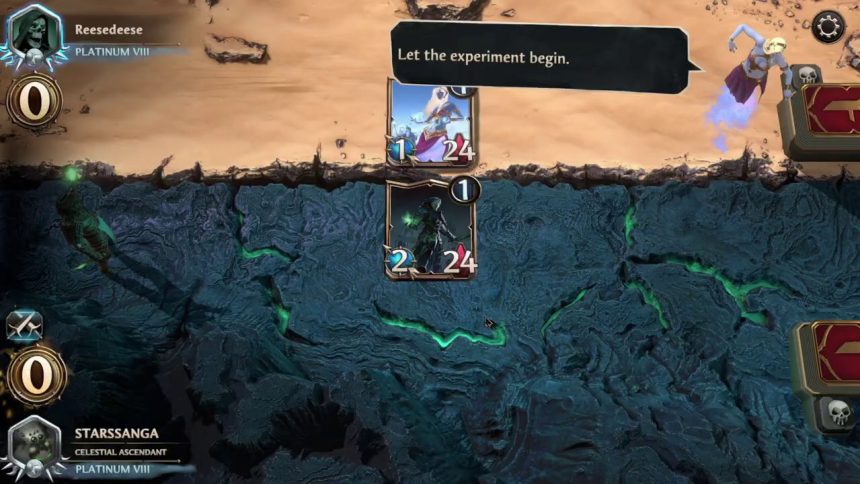
Death answers my call. Power, awaken. A new formula succeeds.
These aren’t the lines of some dark fantasy novel. They’re the raw, unfiltered thoughts of someone standing at the edge of a breakthrough—or a catastrophe. When you’re deep in the lab, or deep in a creative project, the line between creation and destruction gets blurry. You call on forces you don’t fully understand, hoping to shape them into something new. Sometimes, it works. Sometimes, you just get a lot of smoke and a very expensive piece of broken equipment.
This is a story about that moment. The moment you decide to stop thinking and start doing. The moment you let the experiment begin.
The Call to Chaos
Every great project starts with a spark. But that spark isn’t always a gentle lightbulb moment. Sometimes it’s a jolt of pure ambition. You look at what’s possible, and you decide to push past the safe boundaries. You decide to call on something bigger.
That “death” in the transcript isn’t literal—at least, not in the way you might think. It’s the death of the old method. The death of the safe path. The death of the formula that everyone else uses. You’re calling on the unknown, the risky, the thing that could either make your name or end your project in spectacular flames.
It’s a terrifying and exhilarating place to be. I’ve been there. You’re staring at a blank screen, a messy workbench, or a half-finished prototype. The comfortable solution is right there, but it’s boring. It’s been done. The real work, the kind that leaves a mark, starts when you decide to ignore the easy answer and reach for the dangerous one.
Comedy and Power: The First Failures
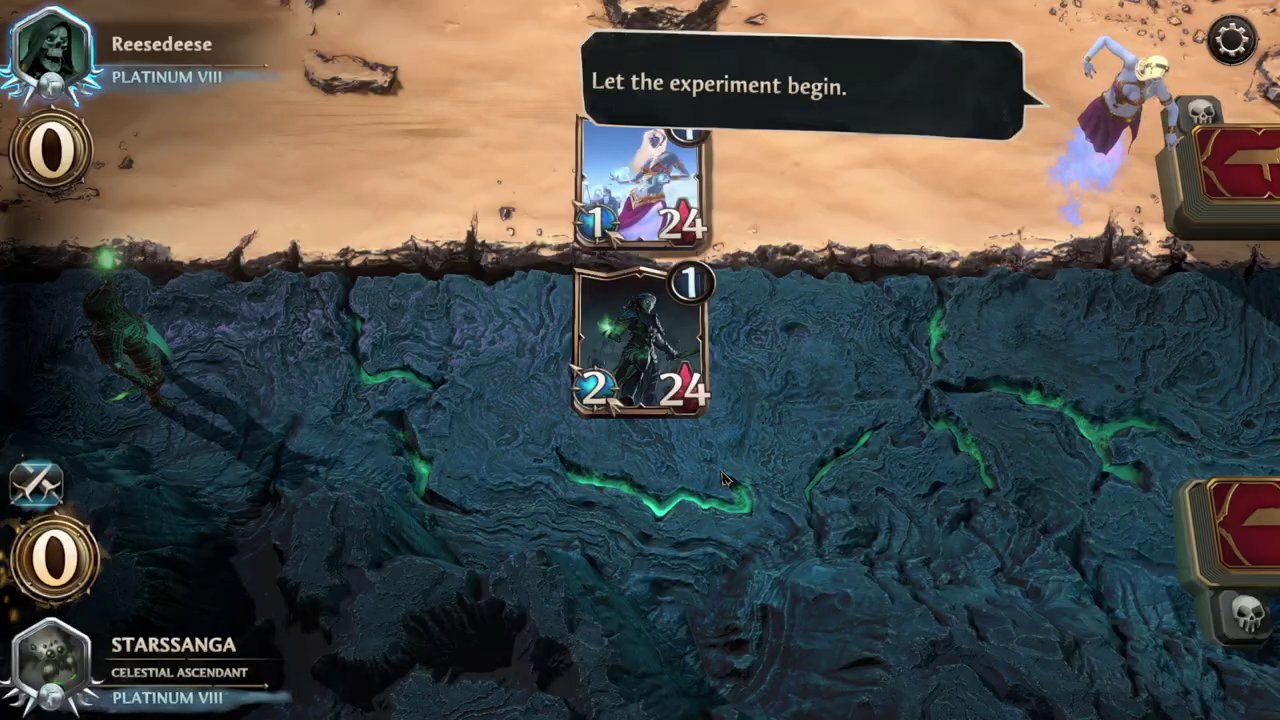
The transcript shows a moment of reflection: “Let me consider comedy… that won’t work.” Then, a shift: “Power… awaken.”
This is the heart of the creative process. You try an angle. You consider the absurd. You wonder if a joke, a twist, or a completely left-field approach might be the key. For a second, it feels brilliant. Then, reality checks in. That path is a dead end. It’s clever, but it doesn’t solve the core problem.
So, you pivot. You drop the cleverness and reach for raw power.
When I’m writing or building something, this is the part where I usually waste an hour. I’ll chase a funny idea, a clever turn of phrase, or a weird technical workaround. It feels good in the moment. But eventually, you have to admit it’s not the solution. The real trick is not to get attached to your first, second, or third idea. You have to be willing to let them die so something stronger can take their place.
That’s the “Power” part. It’s not about brute force. It’s about finding the core mechanic, the central truth, or the single most effective action that will drive the whole thing forward. You stop trying to be clever and start trying to be effective.
The Wait: The Long Silence of Creation
The most striking part of the transcript is the long gap. Between the call for power and the final success, there is a massive stretch of silence. Over 400 seconds of… nothing.
This is the part nobody talks about. The part where you’re just waiting. You’ve set the experiment in motion. You’ve made the call. Now, you have to sit there and see if the formula takes.
In the real world, this is where doubt creeps in. Did you mix the wrong ingredients? Is the power source stable? Did you just waste a day, a week, a month on a dead end? The silence is deafening. You check your tools. You re-read your notes. You pace. You second-guess every single decision that led you to this point.
This isn’t a failure of process. It’s a necessary part of the process. Real creation isn’t a constant cascade of “eureka” moments. It’s long stretches of uncertainty punctuated by brief, violent flashes of clarity. The ability to endure the silence, to trust that the work you’ve done is enough, is what separates the hobbyist from the professional. You have to let the formula cook.
A New Formula Succeeds
Then, it happens. “A new formula succeeds.”
It’s not a bang. It’s not a choir of angels. It’s a simple, quiet statement of fact. The experiment worked. The new path was the right one. The death you called on was the death of the old, failing approach, and from its ashes, you have a working solution.
This moment is pure. It’s the satisfaction of a problem solved, a system built, a piece of art completed. It’s the feeling of looking at the result and knowing that you earned it. You earned it by trying the wrong things, by enduring the long silence, and by having the courage to call on something new.
What This Means for Your Own Work
So, what do you take away from this little drama? A few things that have helped me get through the rough patches.
First, don’t be afraid to call on the hard stuff. If you’re stuck, don’t just try the next obvious step. Try the radical one. Try the one that scares you a little. Try the one that might fail spectacularly. That’s where the real breakthroughs are.
Second, kill your darlings. That comedy angle? That clever trick you thought of? If it doesn’t serve the final goal, let it die. Don’t waste time polishing a dead end. Move on to the power source.
Third, learn to love the silence. The waiting is part of the work. It’s the time your subconscious needs to connect the dots. Don’t panic when nothing seems to be happening. Stay at the bench. Stay at the keyboard. The formula is still cooking.
Finally, recognize the moment of success. It might not be dramatic. It might just be a quiet “huh, that worked.” But that’s the point. That’s the reward for the chaos, the failure, and the long wait.
If you’re looking for more concrete examples of how to build something from scratch, especially in the world of gaming and digital creation, you might find some useful parallels in how developers approach play-to-earn systems. It’s a field where the “experiment” is always running, and the “new formula” is constantly being rewritten. You can see how that process plays out in the The Beginner’s Guide to Play-to-Earn: How Gaming’s New Economy Really Works.
The experiment is always beginning. The only question is whether you’re brave enough to make the call.