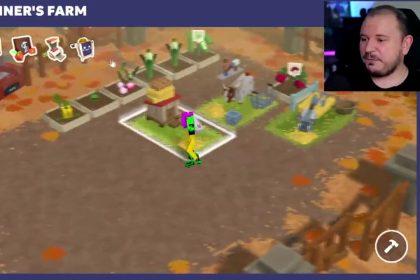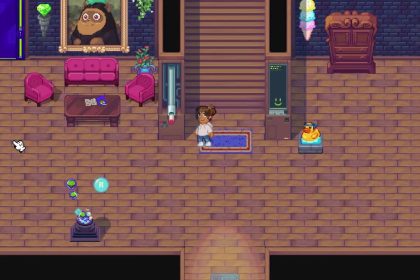


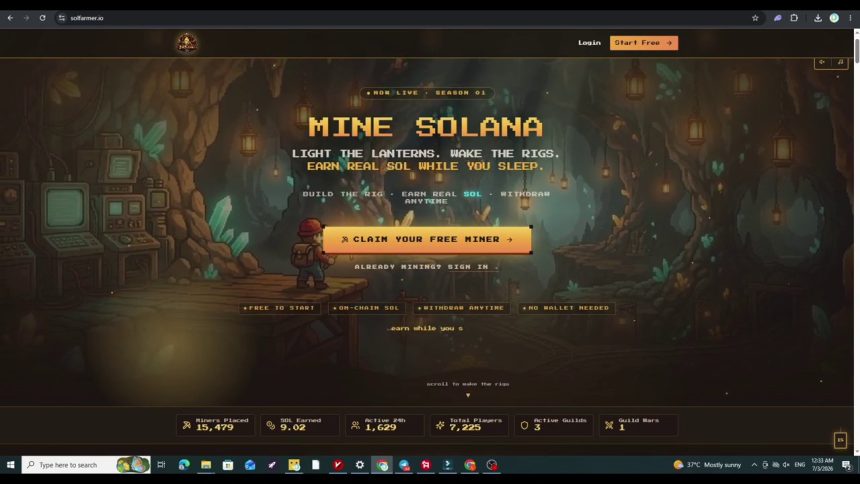
You’ve probably seen the hype around Soul Farm, the latest play-to-earn game that’s been making rounds in the crypto gaming community. If you’ve been burned by overly complex blockchain games before, I get it. But here’s the thing: Soul Farm is different. It’s refreshingly straightforward, and that’s exactly why it works.
I’ve spent a good chunk of time with this game, and what struck me first was how accessible it feels. No overwhelming menus, no confusing tokenomics thrown in your face on day one. You start, you farm, and you earn. It’s that simple.
What Makes Soul Farm Stand Out?
Let’s be honest — most play-to-earn games try to do too much. They layer on mechanics, crafting systems, and complicated battle passes until you feel like you need a spreadsheet just to enjoy a few minutes of gameplay. Soul Farm takes the opposite approach.
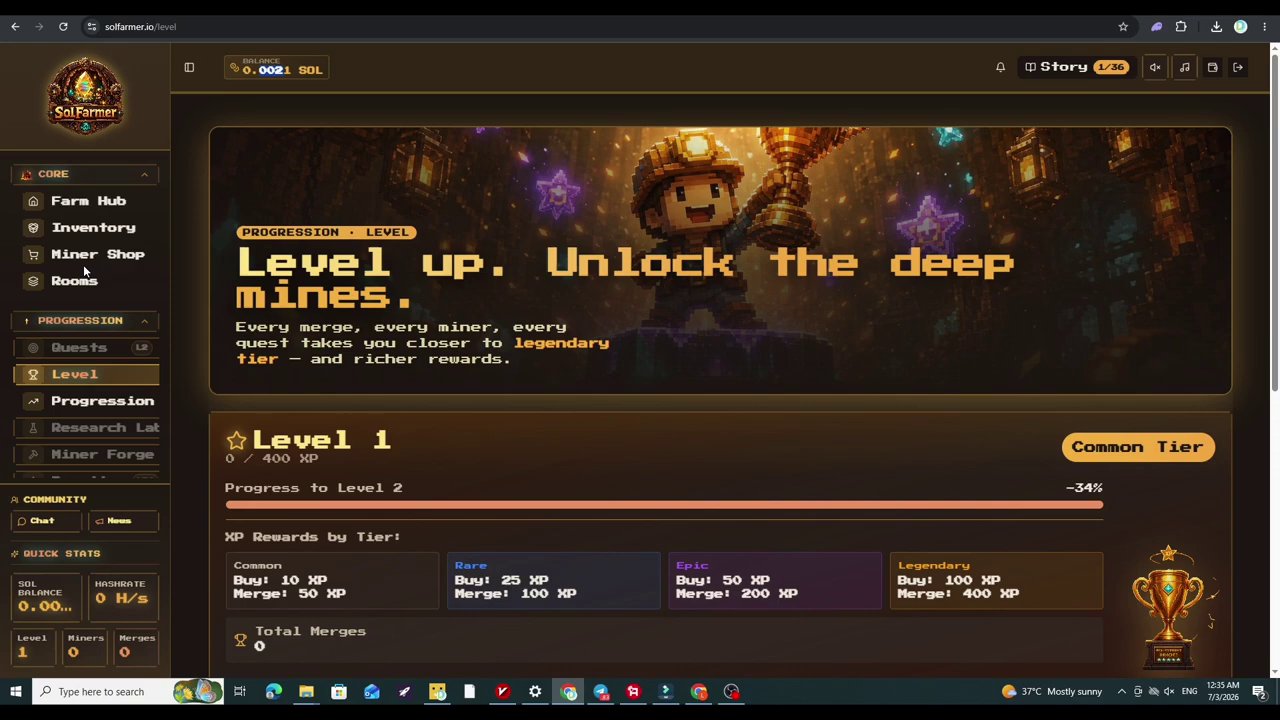
The core loop is clean. You manage a farm, you harvest resources, and you earn rewards. The game doesn’t bury you in tutorials or force you to watch hours of walkthroughs before you can start having fun. Within your first session, you’ll already be producing and collecting.
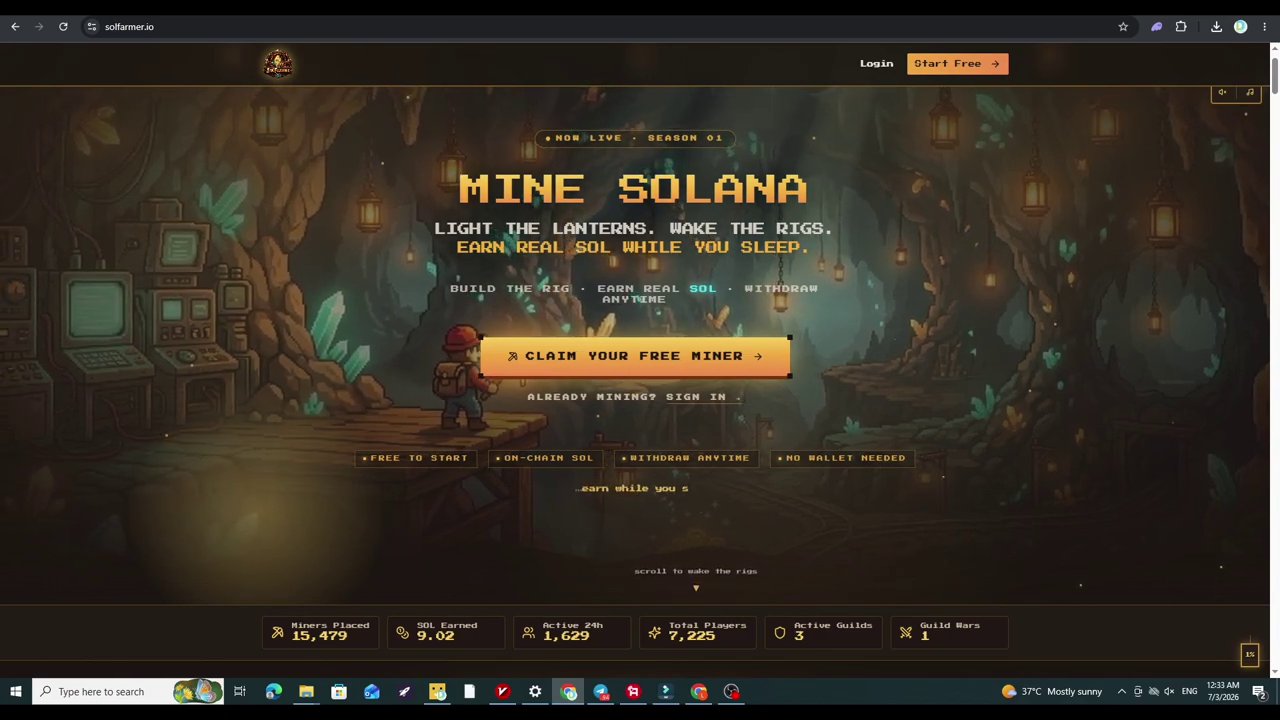
This is where Soul Farm really shines — it respects your time. You can jump in for ten minutes or an hour, and still feel like you’ve made progress. That’s rare in this space.
The Magic of Simple Mechanics
I remember the first time I played. I expected the usual grind — click here, wait there, optimize some obscure stat. Instead, I found myself enjoying the rhythm of the farm. You plant, you water, you harvest. It’s meditative in a way that most blockchain games miss completely.
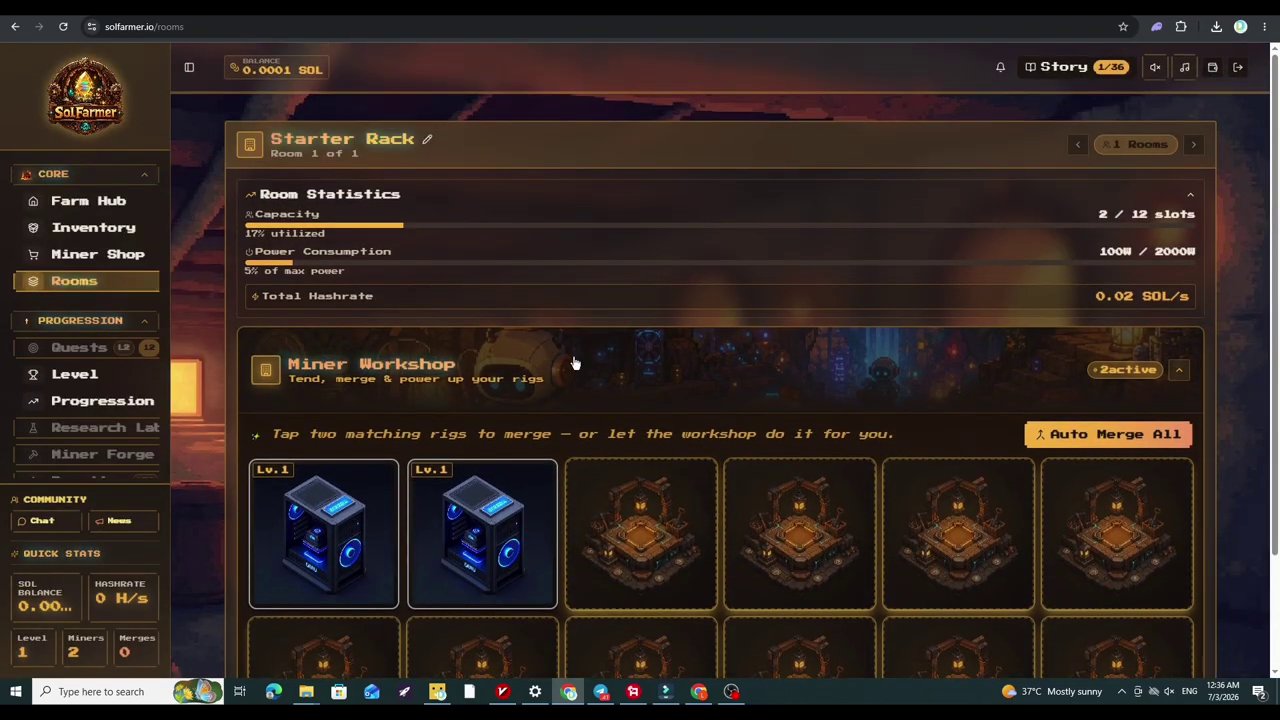
But don’t mistake simplicity for lack of depth. There’s a satisfying progression curve once you start upgrading your tools and expanding your land. The game rewards players who pay attention to timing and resource management, but it never punishes you for taking it slow.
One of the smartest design choices is how the game handles its “soul” mechanics. You’re not just farming crops; you’re cultivating something more valuable. The resources you gather have real utility, and the economy feels balanced — not inflated by bots or whales from day one.
Getting Started: What You Actually Need to Know
If you’re new to Soul Farm, here’s what you should focus on first:
- Start small. Don’t try to expand your entire farm on day one. Focus on a few plots and learn the timing of your crops.
- Watch the market. Prices fluctuate based on supply and demand. Selling at the right moment makes a big difference.
- Upgrade strategically. Your first upgrades should go toward efficiency — faster harvests and better storage.
- Join a community. This game has a surprisingly helpful player base. Discord and Telegram groups are full of players sharing tips.
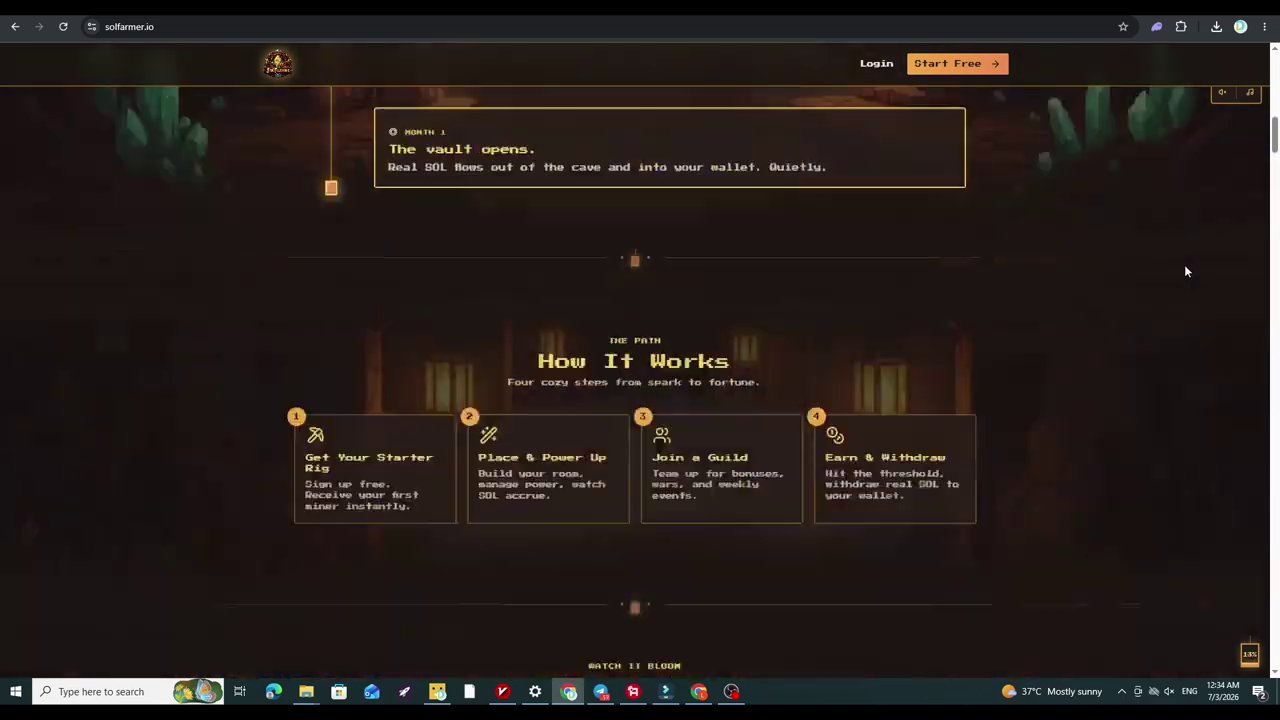
It’s not quite that simple, though. There’s a learning curve to understanding when to hold resources and when to convert them. But that’s part of the fun — you’re not just clicking buttons; you’re actually making decisions that affect your earnings.
Why This Game Works for Beginners
A lot of play-to-earn games require a significant upfront investment just to get started. Soul Farm breaks that mold. You can begin with minimal capital and still see returns. The barrier to entry is low, which makes it perfect for players who are curious about crypto gaming but don’t want to risk a lot of money.
The game also does something smart with its reward structure. Instead of flooding the market with tokens, it keeps scarcity in mind. This means your early efforts actually hold value, and you’re not competing against an endless supply of inflation.
I’ve seen too many promising games collapse because they prioritized hype over sustainability. Soul Farm feels different. The developers seem to understand that long-term engagement matters more than a quick pump.
The Community Factor
One of the best parts of playing Soul Farm is the community. I’ve been in Discord servers where veteran players literally walk newbies through their first hour of gameplay. There’s no gatekeeping — just genuine enthusiasm for the game.
This matters more than you might think. In a space full of scams and rug pulls, a strong community is a sign of legitimacy. When players are invested in helping each other succeed, it usually means the game itself is solid.
Common Mistakes New Players Make
Let me save you some trouble. Here are the pitfalls I see most often:
- Overexpanding too fast. You unlock new land and think you need to use it all immediately. Slow down. Manage what you have first.
- Ignoring the market. Some players just harvest and sell without checking prices. That’s leaving money on the table.
- Skipping upgrades. Basic tools work, but upgraded ones pay for themselves faster than you think.
- Not diversifying. Growing only one type of resource leaves you vulnerable if prices drop. Mix it up.
These mistakes are easy to avoid once you know they exist. Take your time, and the game will reward you.
Where Soul Farm Fits in the Bigger Picture
The play-to-earn space has matured a lot over the last few years. Early games were rough — clunky interfaces, broken economies, and more hype than substance. But titles like Soul Farm represent a shift toward quality.
If you’re interested in exploring other games that balance fun with earning potential, you might want to check out some of the other free-to-play crypto games that are actually enjoyable. The landscape is wider than most people realize.
For beginners just entering this world, understanding how play-to-earn economies really work can save you a lot of frustration. Soul Farm is a great entry point because it teaches you the fundamentals without overwhelming you.
The Verdict
I’ll be honest — I went into Soul Farm expecting another forgettable crypto game. What I found was something I actually wanted to keep playing. The simplicity is deceptive. Underneath that clean surface is a well-designed economy and a genuinely relaxing gameplay loop.
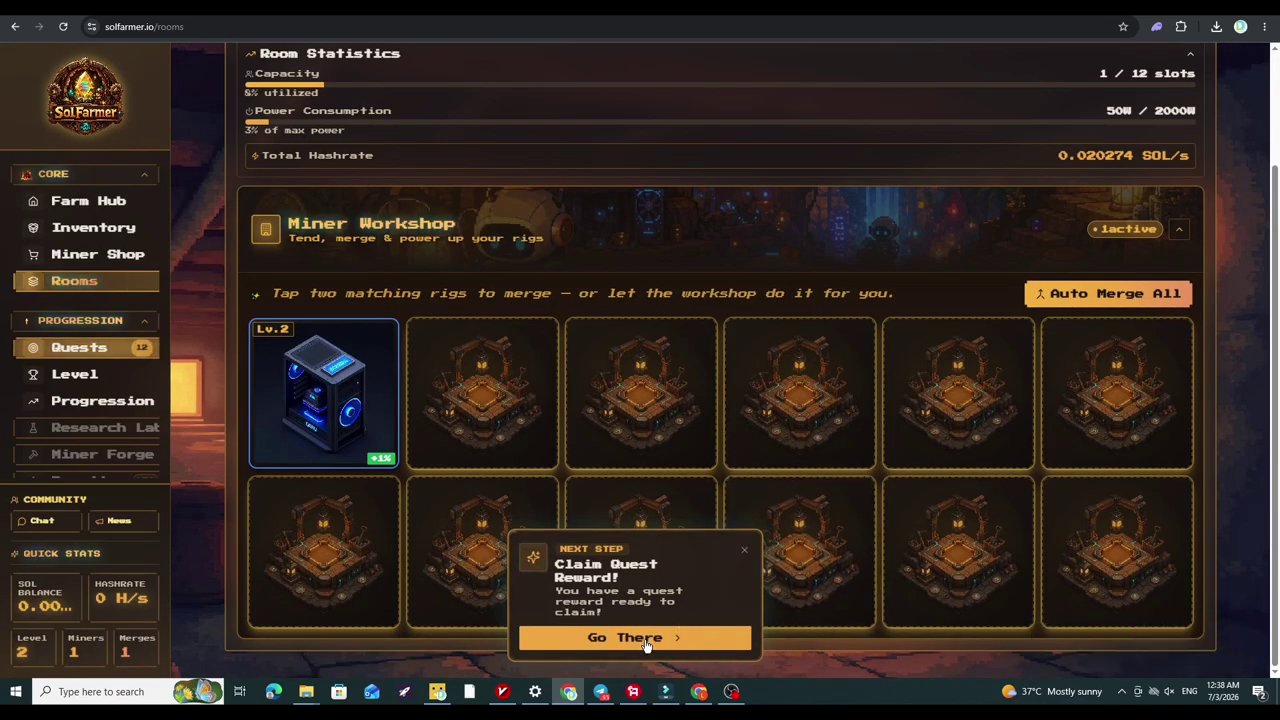
If you’re tired of games that feel like work, give Soul Farm a try. It reminds you why we started playing games in the first place: because they’re fun. The earning potential is just a bonus.
Start small, pay attention to the market, and don’t rush. The farm will grow. And so will your rewards.