
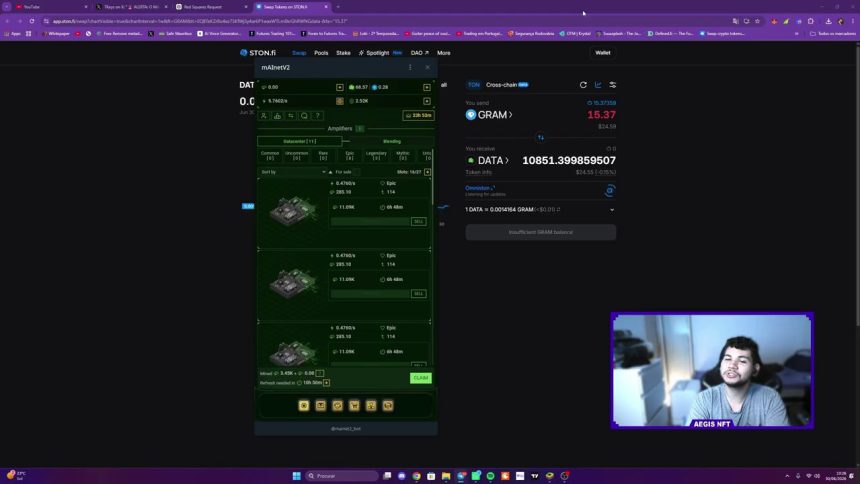
I’ve already pulled more than $24 out of this game, and the best part is you can do it all from your phone without jumping through hoops. This isn’t some vaporware project that vanishes after a week — it’s a relaunch of a game that paid well last year, now back with a fresh token, a rebalanced economy, and the same team behind it.
If you’ve been looking for a play-to-earn opportunity on Telegram that actually has legs, this one deserves a closer look.
What Is MyNet and Why Should You Care?
MyNet is a Telegram-based mining game that first launched in 2023. It built a solid community of around 89,000 subscribers — not a group that popped up overnight, but one that grew steadily through the original project’s lifecycle. Now it’s back with a new token, a redesigned economy, and tweaked mining mechanics designed to make the whole thing more sustainable.
That matters because Telegram gaming projects have a reputation for burning bright and flaming out fast. MyNet’s team is doing the opposite: they’re iterating, improving, and sticking around.
The core loop is simple. You buy or earn mining “plates” (think of them as NFT mining rigs), level them up, and they generate tokens for you. You can then swap those tokens, reinvest them, or cash out. But the details are where the real strategy lives.
The Economics: Where the Real Money Lives
The original MyNet token launch was explosive. People who got in during the first few hours saw their investments triple almost immediately. I put in about $20 and turned it into $60 in the opening hours.
That kind of early momentum is rare, but it’s not the whole story.
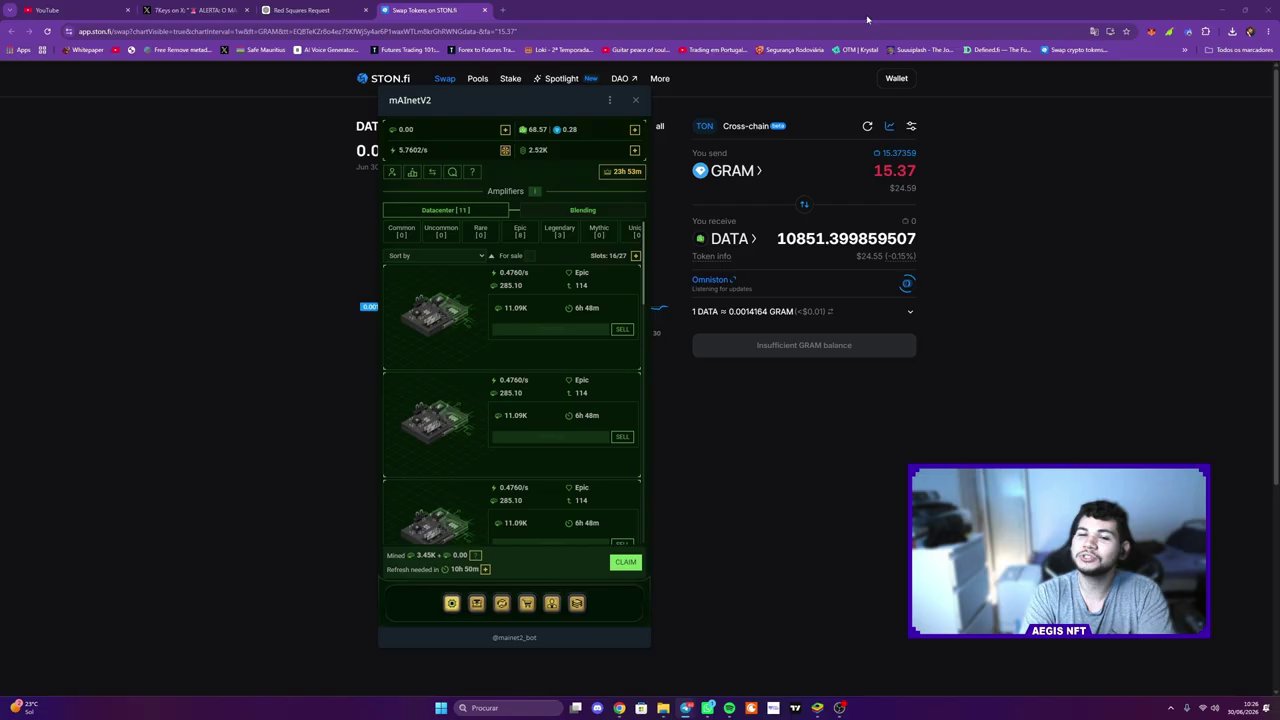
What makes this project different is its deflationary, player-driven economy. The game sold plates only during a pre-sale. After that, all trading happens between players on an open market. Once those pre-sale plates are gone, no new ones enter circulation. That means scarcity is baked in from day one.
Prices for plates fluctuate based on supply and demand — and since the supply is fixed, the value tends to climb over time. I’ve personally seen plates I bought at one price triple in market value. I sold them, pocketed the profit, and used the gains to buy more plates for mining. That kind of cycle is where the real earning potential lives.
But it’s not risk-free. The token price can dip, and plate values follow. You need to pay attention and make your own calls.
How Mining Works (And How to Optimize It)
The mining system is straightforward but has layers. You start with a set of plates, each with a rarity level — common, epic, legendary, mythical, and so on. Higher rarity plates mine faster. You can also level up plates by operating them, which boosts their mining speed even more.
Your total mining speed is the sum of all your active plates. The faster you mine, the more tokens you generate per second.
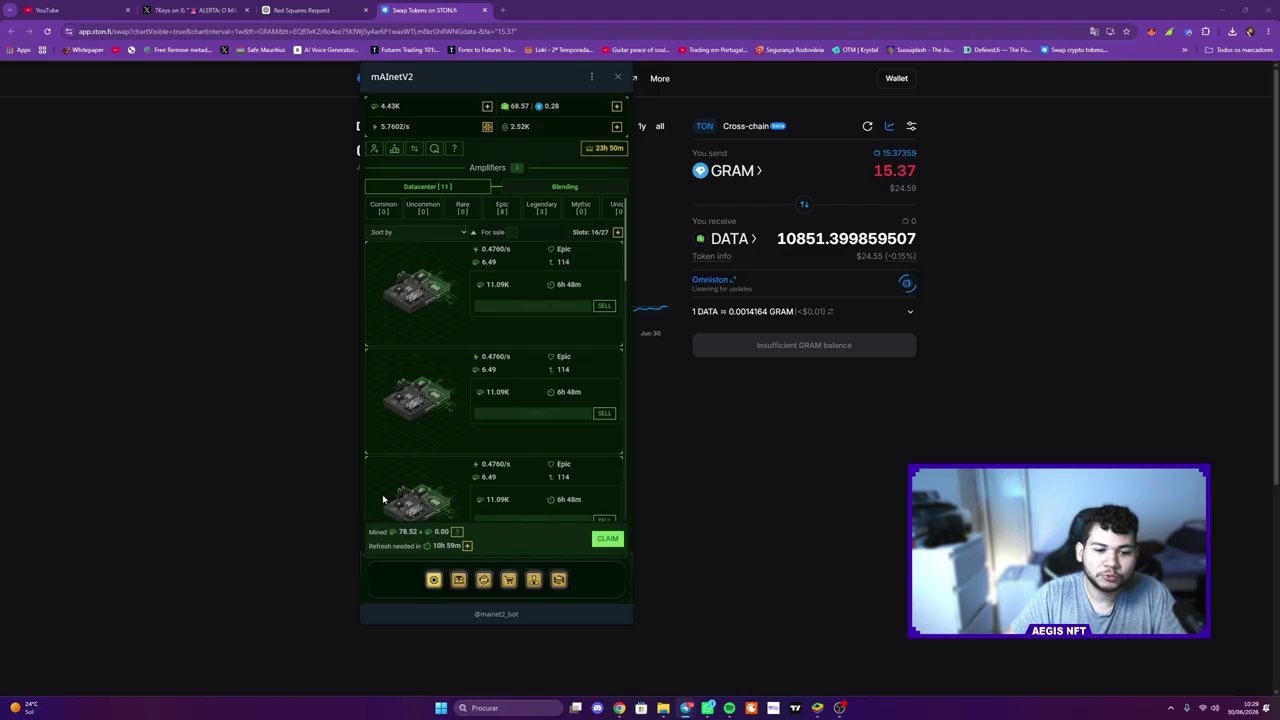
Here’s where it gets interesting. You can fuse two plates of the same rarity to create one plate of the next rarity tier. That sounds like a no-brainer — who wouldn’t want a legendary plate? But it’s not always the right move.
I ran the numbers on my own setup. I had two epic plates, each mining at 0.47 speed. Combined, that’s 0.94. If I fused them, I’d get one legendary plate at level 87, mining at 0.18 speed. Even after leveling that legendary plate up to match my current epic levels, it would only hit around 0.66 speed. That’s still less than 0.94.
So for me, keeping the two epics was better than fusing into one legendary. Your mileage may vary depending on your plate levels and how many slots you have.
The general rule: fill all your available plate slots first, then think about fusing. Each extra slot costs tokens, so you want to maximize your active mining capacity before you start consolidating.
The Referral System and Passive Income
MyNet includes a referral program that pays you a percentage of what your referrals earn. It’s not huge — around 3% commission — but it adds up if you build a network.
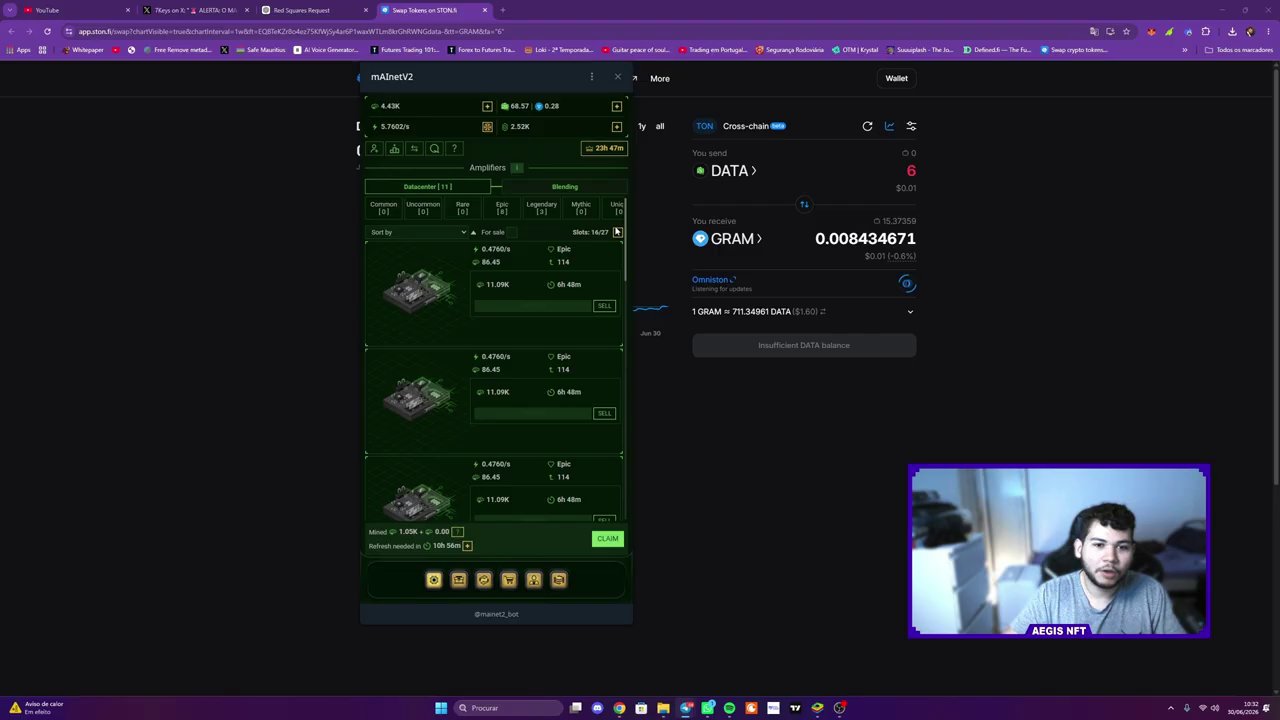
This is especially useful if you don’t want to invest much upfront. You can start completely free, use your time to build a referral base, and earn passive income without risking your own capital. The trade-off is that free players earn slower than investors, but the risk is also near zero.
If you’re new to play-to-earn and want to test the waters without putting money in, this is a solid way to start. I’ve covered several free-to-play crypto games that work on the same principle — low risk, real returns, just slower.
Cashing Out: How to Withdraw Your Earnings
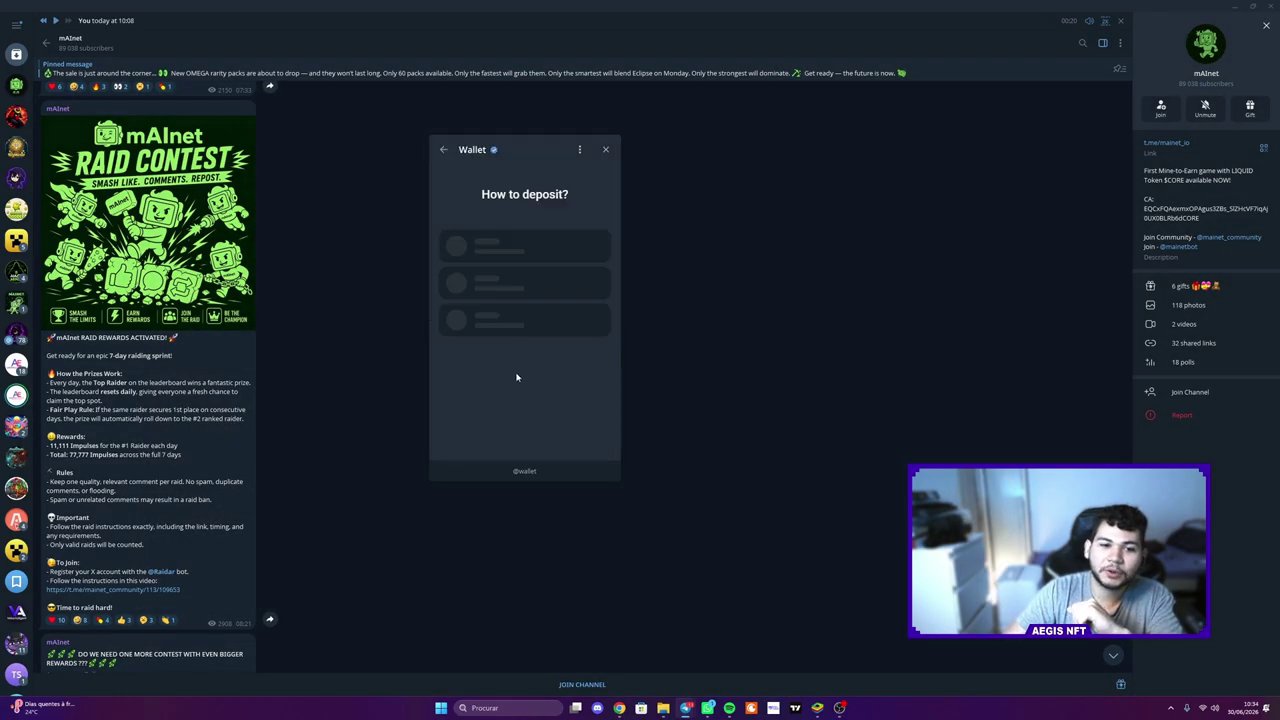
When you’re ready to take money out, the process is clean. You swap your in-game tokens for TON (the native token of the Telegram ecosystem) directly inside the game. Then you withdraw TON to your wallet.
The minimum withdrawal is 100 tokens, which at the time of writing was worth about $0.22. That’s a low bar — you don’t need to accumulate a huge pile before you can see real money.
I’ve been making regular withdrawals. In one example, I swapped about 905 tokens for 1.27 TON — basically one day’s worth of mining. It’s not life-changing money, but it’s real, and it adds up over time.
The key decision is whether to cash out or reinvest. Every token you withdraw is money in your pocket, but every token you reinvest into better plates or more slots boosts your future mining speed. There’s no single right answer — it depends on your goals and how much risk you’re comfortable with.
The Market: Speculation Adds Another Layer
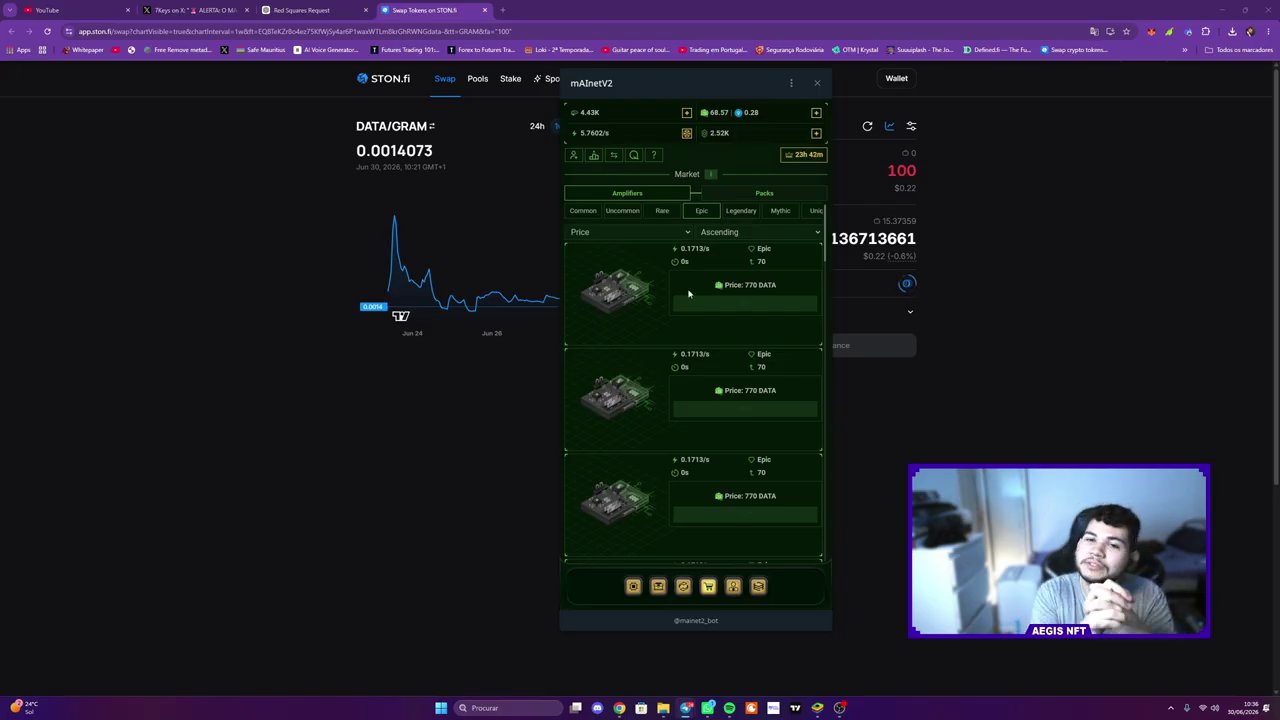
Beyond mining, there’s a whole secondary market where you can trade plates. Prices go up and down with the token value, and sharp-eyed players can profit from the swings.
I bought plates at one price, watched them triple, and sold them for a quick 3x return. That was separate from the mining income — pure speculation on plate scarcity. The token itself has been relatively stable, without dramatic crashes or spikes, which makes the whole ecosystem feel more grounded.
If you’re the type who enjoys watching charts and timing entries, this adds a whole extra dimension to the game. But even if you’re not, the mining alone can generate steady returns.
Is It Worth Your Time?
MyNet isn’t a get-rich-quick scheme. It’s a legit play-to-earn game with a track record, a growing community, and a team that’s clearly invested in making it work long-term. The deflationary plate economy gives it a structural advantage over games that just print infinite tokens.
I’ve made over $24 so far, and that’s with a modest setup. Early adopters who got in at launch made much more. The potential is there — but so is the risk.
If you’re new to this space, start small. Don’t risk money you can’t afford to lose. Use the free options to learn the mechanics, build a referral network, and only invest once you understand the game.
For me, the risk has been worth it. I’ve made money mining, I’ve made money trading plates, and I’ve watched the token hold its value better than most Telegram projects. That’s a combination I don’t see often.
If you want a deeper look at how play-to-earn economics really work, check out the beginner’s guide to play-to-earn — it covers the fundamentals that apply to games like MyNet and beyond.
The game is live, the community is active, and the opportunity is real. Whether you mine, trade, or refer, there’s a path that fits your style. Just do your own research, start slow, and see where it takes you.