


Diablo 4 does not pay you. There is no token, no NFT marketplace, no blockchain wallet, and no official cash-out button where you farm gold, press withdraw, and turn gameplay into real money. Yet here’s the strange part: even though Diablo 4 was never designed as a play-to-earn game, a thriving grey market has built up around it anyway.
People are trying to make money from gold, boss materials, carries, power leveling, and even full account sales. So the real question isn’t whether Diablo 4 is play-to-earn. The real question is why people are still trying to extract money from a game that was never meant to pay them — and whether that’s a real opportunity or a dangerous trap that can destroy your account.

Why a Grey Market Exists for a Non-Earning Game
Diablo 4 is a massive AAA action RPG from Blizzard. You buy the game, pick a class, kill monsters, collect loot, upgrade your character, and push deeper into the endgame. That’s the core loop. But the game has one feature that always creates money around online games: time pressure.
The more time a game demands, the more players look for shortcuts. And wherever players look for shortcuts, a grey market usually appears. It’s not about whether the game officially supports earning. It’s about whether the grind is long enough that some players would rather pay than play.
Diablo 4’s endgame is built around repetition. Farming the same bosses, collecting the same materials, chasing incremental upgrades. For many players, that’s the appeal. For others, it’s a chore they’d happily skip. That gap — between the grinders and the skippers — is where the grey market lives.

The Five Ways People Try to Make Money
1. Gold Selling
From the outside, this sounds simple. Farm gold in-game, sell it to other players for real money, profit. Gold is the primary currency in Diablo 4, used for everything from re-rolling stats on gear to buying consumables. Some players have thousands of hours and millions of gold. Others want that gold immediately without the grind.
But here’s the reality: selling in-game currency outside the official system is against Blizzard’s terms of service. Even though demand exists, that doesn’t mean the method is safe. Demand does not equal safety. Just because people buy something doesn’t mean you should sell it. A single ban wave can wipe out weeks of farming and lose you everything connected to that account.
2. Boss Materials
This is a big part of Diablo 4’s grey economy. Certain endgame bosses require specific materials to summon. Those materials give players access to fights, rewards, and better loot chances. In a grind-heavy game, access has value.
Players aren’t just buying a material — they’re buying a shortcut. A shortcut to bosses, to loot, to progression, to better chances. That’s why boss materials become attractive in a grey market. But again, when this becomes real-money trading outside the game, it enters dangerous territory. The player pays to skip hours of farming, and that’s exactly what grey markets are built on.
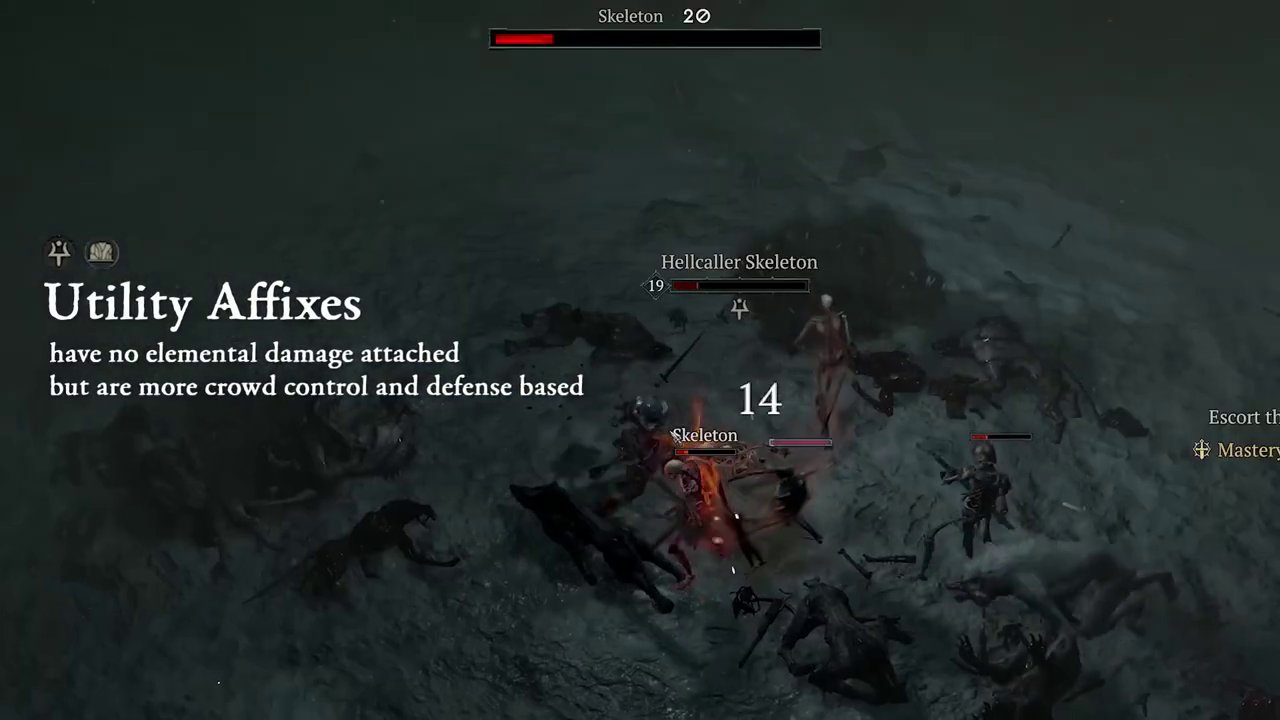
3. Carries (Paid Boosting)
A carry means a stronger player helps a weaker one complete difficult content. It could be a boss, a dungeon, an endgame activity, or a seasonal objective — anything the weaker player can’t finish alone. Helping a friend is normal. That’s part of gaming. But when carries become paid services, the situation changes.
Now it’s not just help. It’s a commercial service inside the game. Carries exist because players don’t want to fail repeatedly. They want the clear, the reward, the achievement, the progress. So they pay someone stronger to take them through the content. This is common in many online RPGs, but common doesn’t mean safe. Blizzard has banned accounts for participating in paid boosting services.
4. Power Leveling
Power leveling means someone helps a player level up faster. This is especially popular at the start of a new season. Seasons create pressure. Everyone starts fresh. Everyone wants to reach endgame quickly, unlock power faster, and start farming before the meta shifts. Everyone wants to avoid the slow early-game grind. So demand appears.
Some players want to skip the boring part and jump straight into the stronger content. But power leveling is one of the most dangerous grey market categories, especially when account sharing is involved. Once someone else touches your account, the risk becomes much bigger. You’re not only risking a ban — you’re risking theft, account recovery scams, payment problems, and losing everything connected to that account.
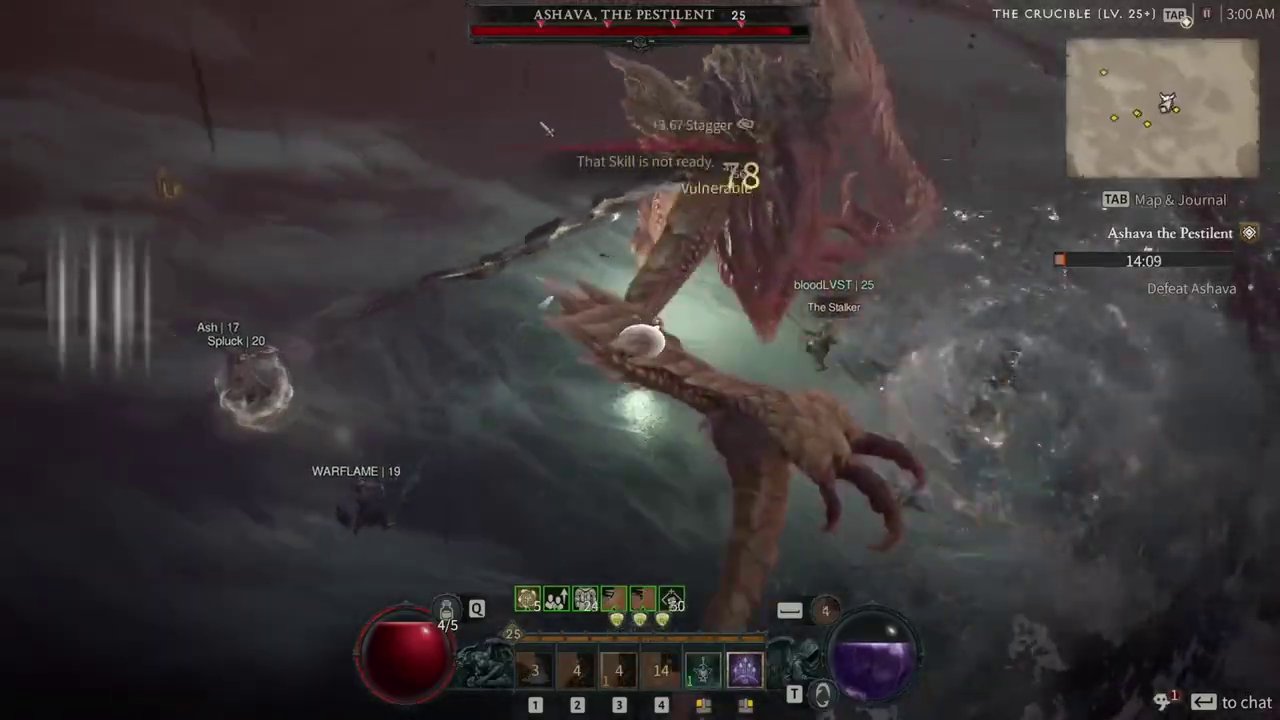
5. Account Selling
This is the biggest one. A fully leveled, fully geared account with rare items, cosmetics, seasonal progress, and hundreds of hours of grinding. To some buyers, this looks attractive. They don’t want to start from zero. They want a ready account.
But account selling is a nightmare. The original owner can recover the account. The buyer can lose access. The account can be flagged. The transaction can be reversed. Both sides can get scammed. And more importantly, buying and selling accounts is not officially supported. This is one of the worst grey market choices in the entire ecosystem. You’re not trading a simple item — you’re trading a whole digital identity, and that can go wrong very fast.
Why People Still Take the Risk
After hearing all that, you might ask a simple question: if the grey market is so risky, why do people still do it?
The answer is straightforward: the demand is real. Diablo 4 has a grind-based structure. Grind creates frustration. Frustration creates shortcuts. Shortcuts create buyers. Buyers create sellers. Sellers create a grey market. That’s the cycle.
It doesn’t matter if the game officially supports earning or not. If players want to save time, a market will form around that demand. But here’s the problem: a grey market is not stable. It can disappear overnight. It can get hit by ban waves. It can get flooded with sellers. It can get ruined by scammers. It can become worthless after one update. It can become dangerous without warning.
This is not the same as a real play-to-earn economy. It’s not transparent. It’s not official. It’s not protected. It’s not predictable. It’s demand without safety.
The Real Risks Most Videos Don’t Talk About
Most content about Diablo 4 money-making only talks about the upside. Let’s be honest about the downside.
Risk one: losing your account. If your account gets suspended or terminated, you lose more than the game. You lose time, progress, characters, cosmetics, purchases, and everything connected to that account. One ban can erase months of effort.
Risk two: scams. Grey markets are full of trust problems. The seller can disappear. The buyer can charge back. The account can be recovered. The payment can fail. The service can be fake. There’s no buyer protection when you’re operating outside official channels.
Risk three: price collapse. In seasonal games, value changes fast. What’s valuable today may become worthless after a patch. A strong build can get nerfed. A material can become easier to farm. A boss can become less important. A farming method can die. The market can shift under your feet.
Risk four: time waste. A lot of players think they’re making money, but when they calculate the hours, the result is terrible. If you grind for ten hours and make almost nothing, that’s not a business. That’s just underpaid gaming.
Risk five: false hype. People love to say you can make money from this game, but they rarely show the full calculation. How many hours? How much risk? How stable is demand? How easy is it to cash out? How many scams happen? How many accounts get banned? Without those questions, the word “profit” means nothing.
Diablo 4 vs. Real Play-to-Earn Games
Let’s compare Diablo 4 with actual play-to-earn and Web3 games.
Diablo 4 has better gameplay than most Web3 games. That’s the truth. The combat feels better. The world is bigger. The brand is stronger. The player base is larger. The production quality is higher. But when it comes to official earning systems, Diablo 4 isn’t built for that.
Web3 games try to offer ownership through tokens, NFTs, wallets, marketplaces, and tradable assets. Some NFT games even try to create Diablo-like experiences with loot, dungeons, action RPG combat, and digital ownership. But Web3 has its own problems. Tokens can crash. NFTs can lose liquidity. Games can die. Player economies can collapse. Rewards can become worthless.
So the comparison isn’t “Diablo 4 is bad and Web3 is good.” That’s too simple. The real comparison is this: Diablo 4 has stronger gameplay but no official earning system. Web3 games can have earning systems, but often come with weaker gameplay and higher economy risk. Every side has a problem.
If you’re looking for a game where you can earn safely and officially, you might want to check out the beginner’s guide to play-to-earn to understand how legitimate earning games work — and how they differ from grey market setups like this one.
The Honest Verdict
So can you make money from Diablo 4? Officially? No. Diablo 4 is not play-to-earn. It is not an NFT game. It is not a blockchain game. It does not have a cash-out economy.
Unofficially? Yes, there is a grey market around the game. Gold selling exists. Boss material trading exists. Carries exist. Power leveling exists. Account selling exists. But every single one of those comes with risk, and some of those risks are massive.
Diablo 4 is a great game. But it is not a safe earning game. If you play it, play it because you enjoy the grind, the loot, the combat, and the endgame. Do not enter it thinking it’s a clean money-making machine, because it is not.
The game doesn’t pay you. Players pay to skip time. That’s the entire grey market in one sentence. Diablo 4 is not play-to-earn. It’s pay-to-skip. And where players pay to skip, grey markets appear. But grey markets always come with a price. Sometimes that price is money. Sometimes it’s time. And sometimes it’s your entire account.
If you’re curious about games that are actually designed for earning — not just grey market workarounds — you might find the three free-to-play crypto games that are actually fun worth exploring. They offer a different kind of opportunity, one built on official systems rather than risky back channels.
That’s the real truth about Diablo 4 and money. Not hype. Not fake promises. Not “play this game and get rich.” Just the real structure behind the game: a massive AAA RPG, a huge grind, a player base willing to pay for shortcuts, and a risky grey market built around that demand.
Would you ever play Diablo 4 for profit, or is this game only worth playing for fun?