


If you’ve been following the Belp ecosystem, you’ve probably heard about the KREK game. A lot of people requested a detailed breakdown of how it actually works — how you create a pool, what token you need to deposit, and most importantly, how much you can cash out. So let’s get straight into it.
The Belp KREK game isn’t complicated once you understand the mechanics. But there are a few key details that can trip you up if you’re not paying attention. I’ll walk through everything step by step, from the token you’ll use to the pool creation process and the payout structure.

What Token Do You Need to Play?
This is where a lot of people get confused, so let’s clear it up right away.
The token you’ll use to play the KREK game is Belp token. But here’s the catch — it’s not the Belp token sitting on the BSC (Binance Smart Chain) network. The game operates on a different chain, and a new token is created specifically for this purpose.
You’ll need to deposit this new token into the game to play. When you win, the payout comes back in Belp token on the BSC chain. So there’s a cross-chain element at play here. You deposit on one chain, play the game, and withdraw on another.
That might sound like extra hassle, but it’s actually designed to keep the game’s internal economy separate from the main Belp token supply. It also means the payout amounts can be calculated more predictably.
How Pool Creation Works
Creating a pool in the KREK game is straightforward, but you need to understand the math behind it to know what you’re getting into.
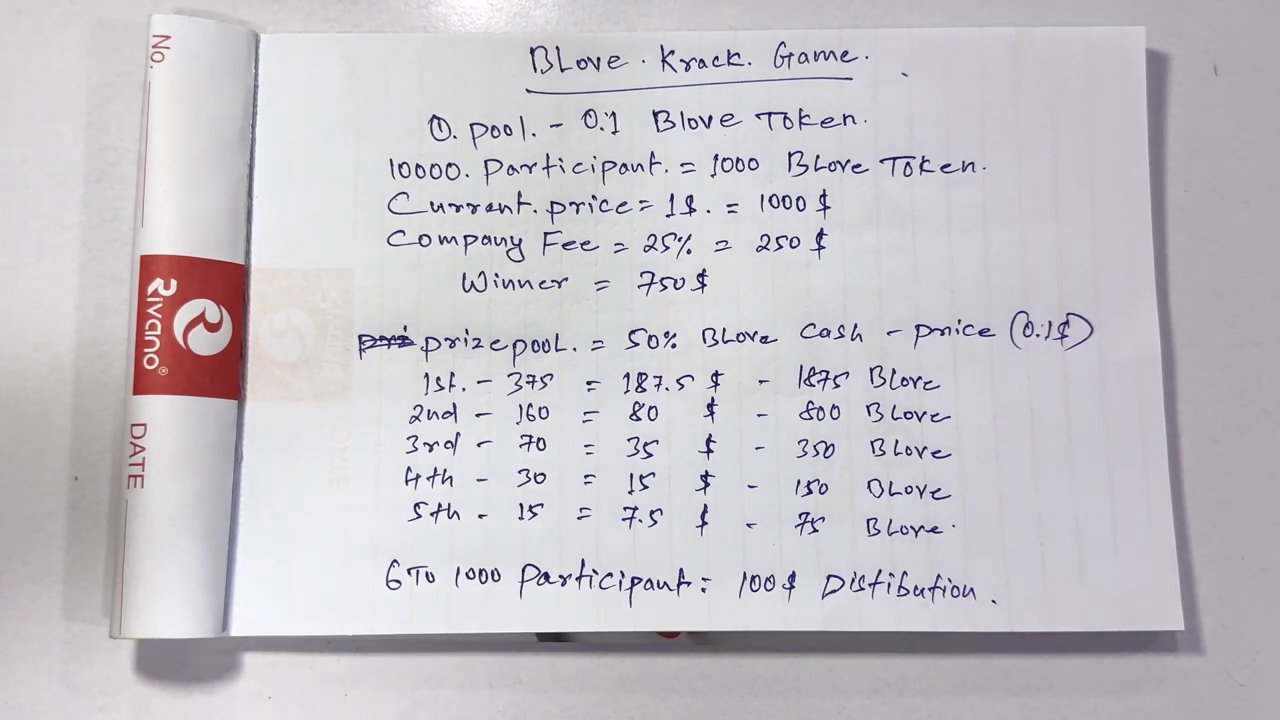
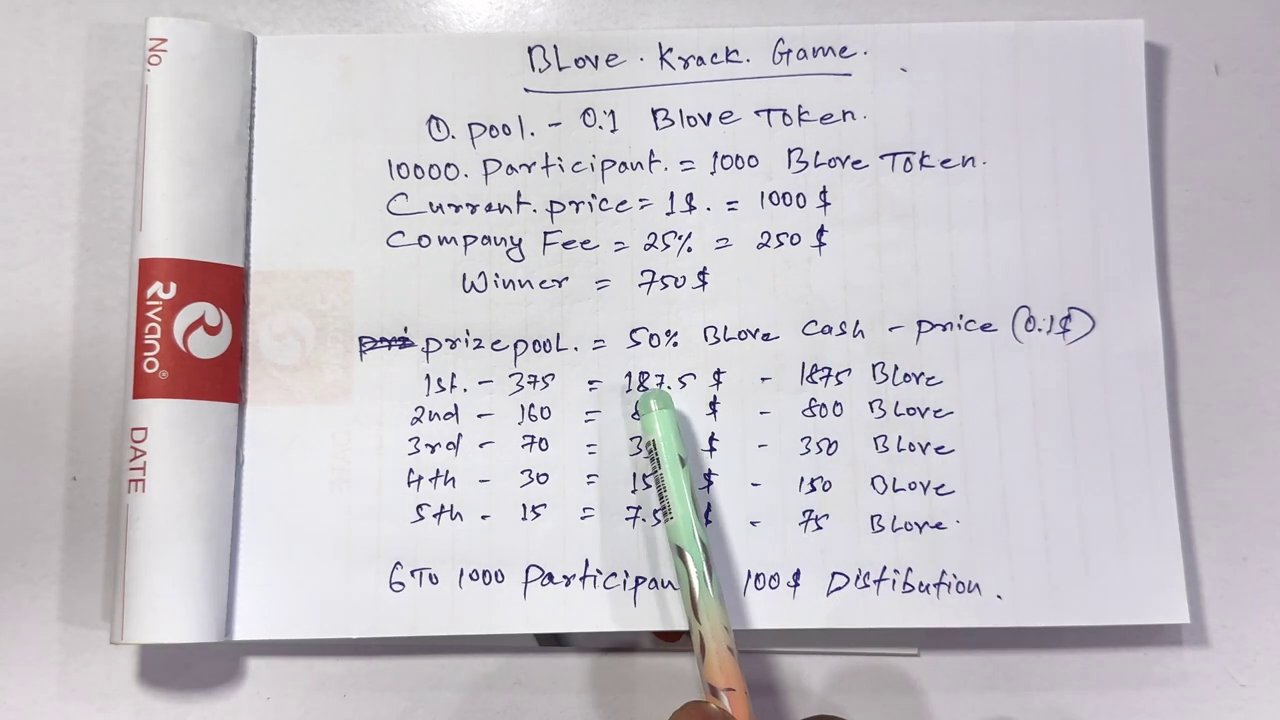
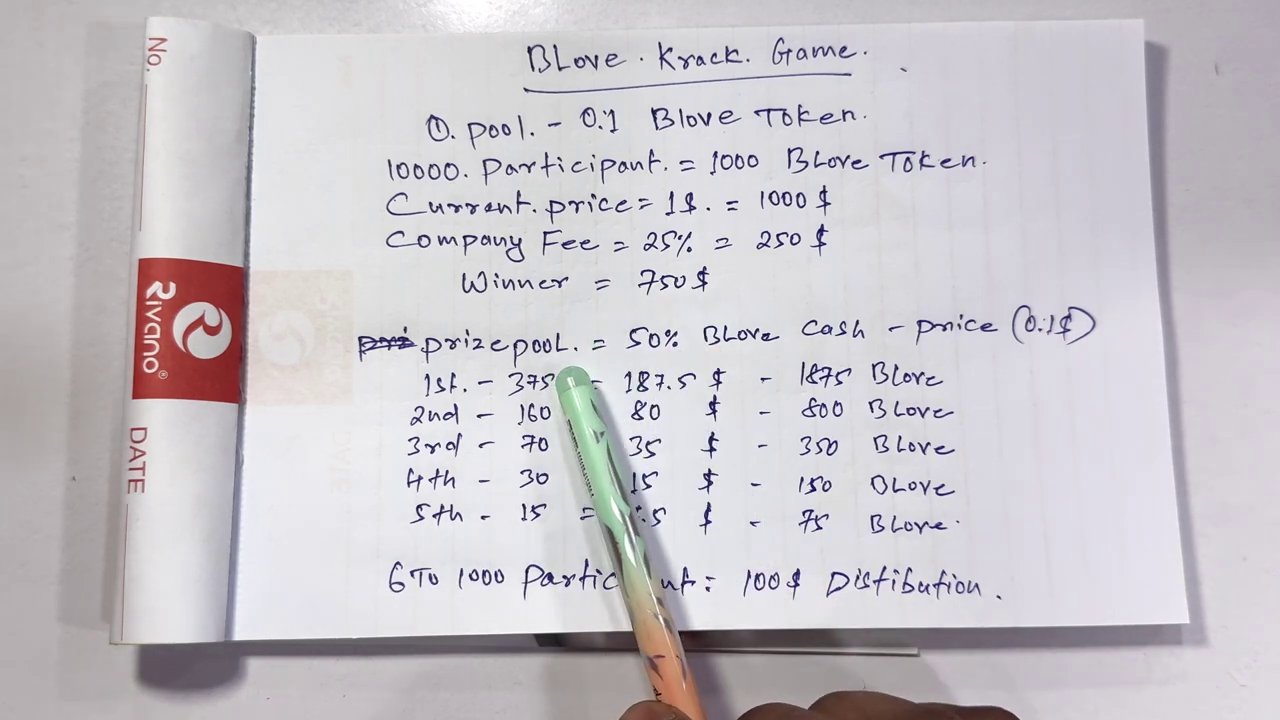
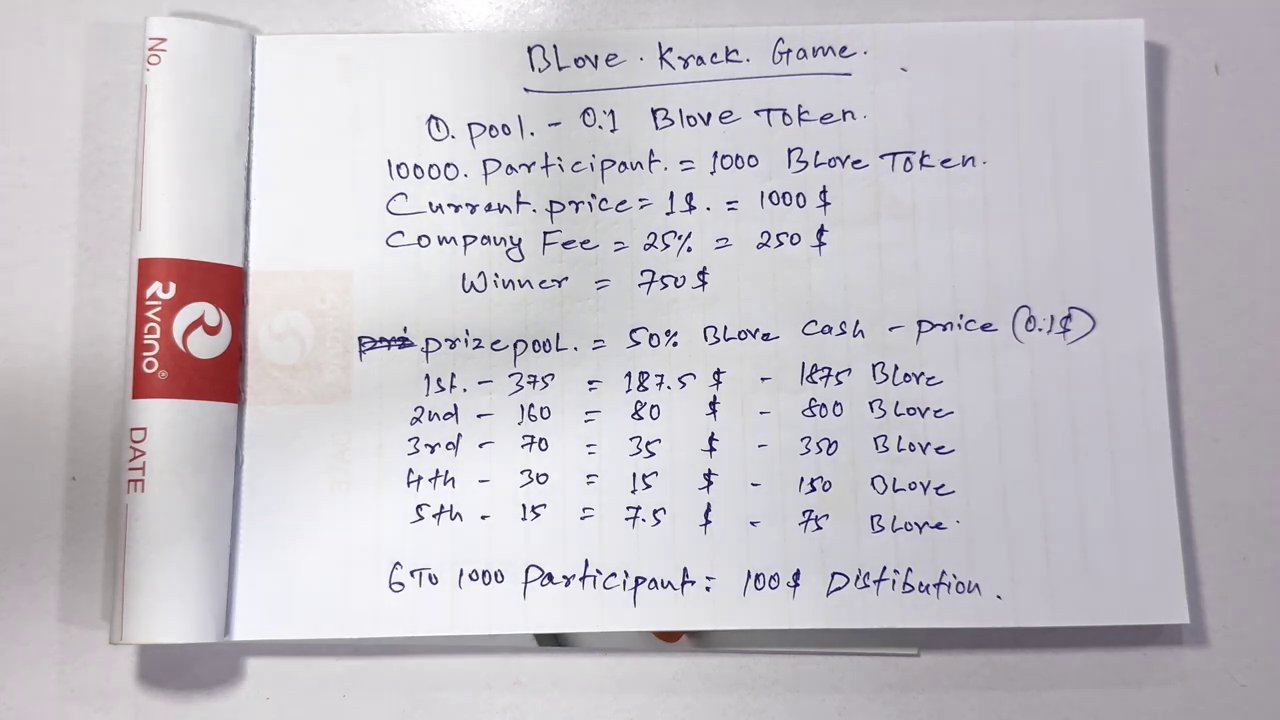
When you create a pool, you’re essentially setting aside a certain amount of Belp token as the prize. The game then calculates how much each player can win based on the pool size and the number of participants.
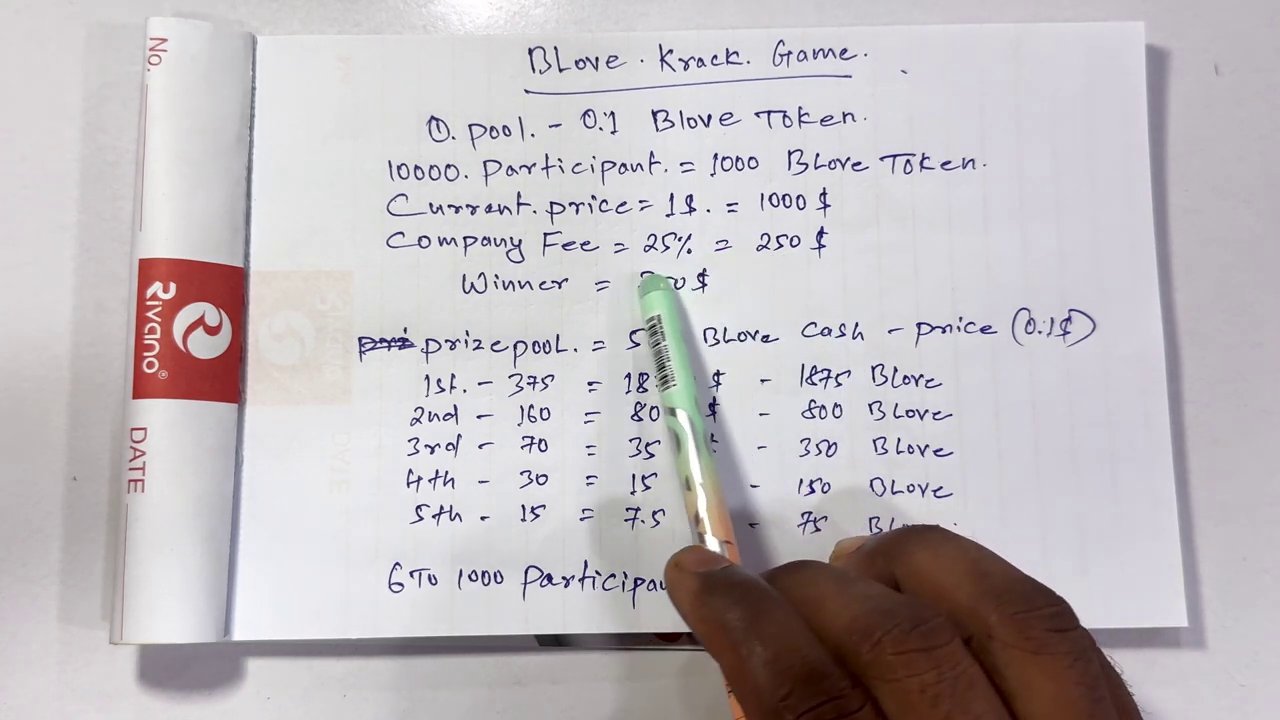
Let’s use a simple example. Say you create a pool with 0.1 Belp token. That’s a small amount, but it helps illustrate the point. If you understand how 0.1 Belp works in a pool, you’ll easily figure out what happens with 1 Belp, 2 Belp, or 0.5 Belp.
The prize distribution isn’t fixed — it depends on the company’s final decision after the game ends. So the exact payout can shift slightly up or down. But the difference is usually minimal, so you can estimate pretty accurately based on the pool size.
Breaking Down the Pool Math
Here’s the key thing to remember: the larger the pool, the bigger the potential payout per player. But that also means more players might be attracted to a bigger pool, which dilutes the individual winnings.
It’s not quite that simple, though. The game has its own algorithm for distributing prizes. You’re not just splitting the pool evenly among winners. There’s a tiered system — the top players get a larger share, while those further down the ranking get smaller pieces.
So if you’re thinking about creating a pool, consider this: a smaller pool with fewer players might actually give you a better chance at a meaningful payout than a massive pool where you’re competing against hundreds of people.
The Deposit Process
Depositing tokens into the KREK game is where you’ll need to pay attention to the chain details. As I mentioned, the game uses a token created on a different chain than the BSC Belp token you might already hold.
You’ll need to bridge or swap your BSC Belp tokens to the game’s native token before you can deposit. The exact process depends on which wallet you’re using and whether the game interface handles the conversion automatically.
Some platforms have a built-in swap feature that does this for you. Others require you to use a separate bridge. Either way, make sure you’re sending the correct token to the correct address. Sending BSC Belp directly to the game’s deposit address won’t work — it’ll just get stuck.
How to Play and Win
Once your tokens are deposited, playing the KREK game is fairly simple. You join an existing pool or create your own, and then you compete based on the game’s mechanics.
The exact gameplay mechanics weren’t detailed in the source, but the core loop is: you stake your tokens, play the game, and if you rank high enough, you win a share of the pool.
This is where experience matters. If you’ve played other play-to-earn games, you’ll recognize the pattern. The key difference here is the cross-chain token mechanics and the way pools are structured.
Cashing Out Your Winnings
This is what everyone really wants to know — how do you get your money out?
When you win in the KREK game, your prize is paid out in Belp token on the BSC chain. So even though you deposited a different token on a different chain, your winnings come back to the chain where most people hold their Belp tokens.
The cashout process is usually automatic once the game ends and the winners are determined. You’ll see the BSC Belp tokens appear in your wallet after the payout is processed.
But here’s a practical tip: always check the gas fees before cashing out. If the BSC network is congested, transaction fees can eat into your winnings significantly. It might be worth waiting for a quieter period to claim your prize.
Common Mistakes to Avoid
I’ve seen people make the same errors over and over when they first try the KREK game. Here are the ones to watch out for:
Sending the wrong token. This is by far the most common mistake. People send BSC Belp directly to the game deposit address and wonder why it never arrives. Always double-check which token the game expects.
Not accounting for pool fees. Some pools have a creation fee or a percentage taken from the prize pool. Read the fine print before you create or join a pool.
Ignoring the payout structure. Just because you win doesn’t mean you get an equal share. Understand how the prize distribution works before you stake a large amount.
Is the Belp KREK Game Worth Playing?
That depends on what you’re looking for. If you already hold Belp tokens and want to put them to use in a game with clear mechanics, the KREK game offers a straightforward way to do that. The cross-chain element adds a layer of complexity, but it’s manageable once you’ve done it once.
The pool system gives you control over how much you want to stake and how competitive you want the game to be. You can start small with 0.1 Belp to test the waters, then scale up once you’re comfortable with the process.
For newcomers to play-to-earn, this game is a decent entry point. The mechanics aren’t overly complicated, and the token economics are transparent enough that you can calculate your potential returns before you commit. If you want to understand the broader landscape, check out The Beginner’s Guide to Play-to-Earn for a solid foundation.
Key Takeaways
- The Belp KREK game uses a token on a different chain than the BSC Belp token. You need to deposit the correct one.
- Pool creation is simple, but understanding the math behind prize distribution is essential.
- Winnings are paid out in BSC Belp tokens automatically after the game ends.
- Start with a small pool to learn the mechanics before committing larger amounts.
- Always verify the token and network before depositing to avoid costly mistakes.
The Belp KREK game isn’t trying to reinvent the wheel. It’s a focused, functional play-to-earn experience that rewards understanding the details. Take the time to learn the token mechanics and pool math, and you’ll be in a much better position to play smart. If you’re exploring other options in the space, Three Free-to-Play Crypto Games That Are Actually Fun (And Can Pay) offers some interesting alternatives worth checking out.