
Welcome to the next evolution of gaming, where your time and skill can translate into tangible rewards. The crypto and NFT space has taken the world by storm, and within it, the play-to-earn model is emerging as the next big frontier. This guide will break down exactly what play-to-earn games are, how they work, and what you need to know to start exploring this exciting new digital landscape.
What Are Play-to-Earn Games?
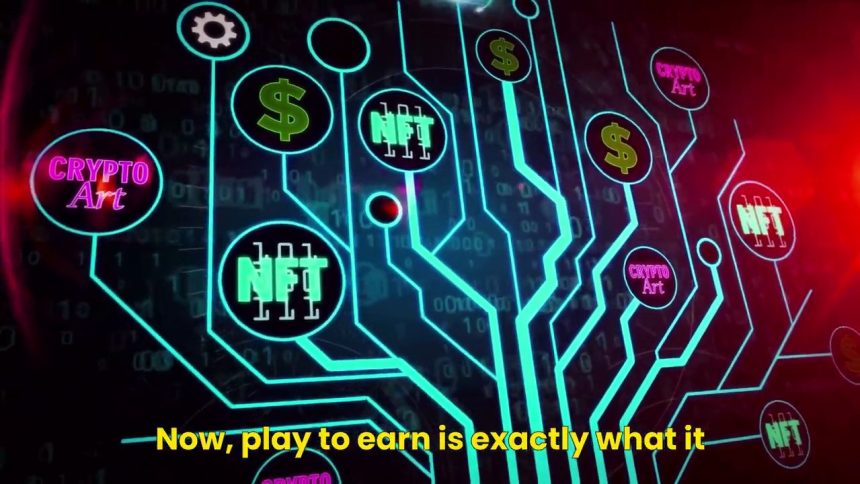
At its core, the play-to-earn model is exactly what it sounds like: video games where players have the ability to earn revenue while they play. Unlike traditional console or PC titles, these games are built with economic systems that give gamers the opportunity to generate value beyond just entertainment. This paradigm is beginning to capture the attention of gamers worldwide, with new titles and genres constantly being developed to appeal to a wide variety of tastes.
Consider beloved action dungeon crawlers like Diablo or Torchlight. These are titles many are familiar with, but players don’t earn any sort of revenue from them. This is where play-to-earn is fundamentally changing how we view gaming. Imagine an indie studio developed a play-to-earn dungeon crawler that introduced NFTs. Now, a player could earn revenue while playing a genre they already love. This shift from pure consumption to active participation and ownership is the heart of the play-to-earn revolution.
The Mechanics: How Do You Actually Earn?
To understand play-to-earn games better, we need to examine the mechanics behind them. While they might seem like normal games on the surface, specific backend systems separate them from traditional titles and allow players to gain tangible value.
The Role of NFTs and Blockchain
Earning revenue in these games is usually connected to Non-Fungible Tokens (NFTs). An NFT is a unique, verifiable unit of data stored on a blockchain, often represented by digital art. These NFT collectibles are perfectly suited for the digital world, as they can represent characters, items, or even virtual land.
It’s not always necessary to own an NFT to earn in play-to-earn games, but in most cases, ownership is the key to maximizing your earning potential. It is possible to earn without actively buying NFTs, but this will typically limit your earning power. When a player owns an NFT in a game, they own an actual stake in that virtual world. The NFT represents a part of the game that you truly own. Since every NFT is unique, this digital item is yours until you decide to sell it.
Earning Through Gameplay
As players engage with the game—or “grind away”—they are often rewarded with the game’s native cryptocurrency. These crypto tokens are built into the game’s tokenomics, a virtual economy where rewards are automatically distributed through the game’s smart contracts.
Common ways players can earn include:
– Winning player-versus-player (PvP) battles
– Completing quests and missions
– Solving puzzles
– Crafting and selling in-game items
This creates a dynamic ecosystem where time, strategy, and skill are directly convertible into digital assets.
Cashing Out and Reinvesting: The Player’s Choice
As players accumulate earnings, they eventually face a choice: cash out or reinvest. Both options are available, and the decision depends on the player’s personal goals.
Cashing out is typically done through a cryptocurrency exchange, where the in-game tokens are converted into traditional fiat currency (like USD or EUR) or swapped for another cryptocurrency like Bitcoin or Ethereum.
Reinvesting means funneling earnings back into the game to increase future potential. This could involve buying stronger characters, rarer items, or additional NFTs to expand your in-game capabilities and assets. This cycle of earning and reinvesting can help players build their virtual portfolio and increase their long-term yield, much like exploring the opportunities highlighted in guides like From Airdrops to Real-World Spending: Your Weekly Guide to Crypto Gaming’s Hottest Opportunities.
Are Play-to-Earn Games a Good Investment?
This is a critical question many newcomers ask. The answer is nuanced. Playing NFT games often means investing more than just time, as many titles require players to purchase an initial NFT to start playing. This higher barrier to entry means players have more at stake than in a conventional game.
In one sense, NFT games are an investment because players can own parts of the game through NFTs. By owning an NFT, its value is directly affected by the game’s performance and popularity. If a title becomes a major success with a thriving, active player base, the associated NFTs should see an increase in value. Conversely, if a game flops, players might find themselves holding a worthless NFT or needing to resell it at a loss.
Another way to invest is through a game’s native token. A prime example is Axie Infinity, a game with a highly valued dual-token economy. Players interact with a governance token (AXS) and an in-game utility token (Smooth Love Potion – SLP). Holding the AXS token provides players with voting rights to influence the game’s development, effectively making them investors. The SLP token, earned through gameplay and used for breeding Axies (the game’s creatures), helps players become stronger within the game’s ecosystem. Both tokens represent different ways to invest in the game’s future beyond just purchasing character NFTs.
Navigating the Play-to-Earn Landscape
The NFT gaming space can be a jungle, making it crucial to do your own research before diving in. One significant trend is the rise of specific blockchains that cater to gaming needs. For instance, the Polygon ecosystem continues to see substantial growth in the NFT gaming market. Thanks to its scalable infrastructure, cheaper transaction fees (“gas fees”), and faster processing times, Polygon has become a preferred blockchain for many crypto gamers and developers. This has led to a flourishing scene of games building on its network, some of which are featured in lists like Polygon’s Play-to-Earn Powerhouse: 5 Must-Play Blockchain Games Ranked.
For new players looking for a starting point, here are a few popular play-to-earn games of interest:
– Decentraland: A virtual world where players can buy land, build experiences, and socialize.
– The Sandbox: A community-driven platform where creators can monetize voxel assets and gaming experiences.
– Zed Run: A digital horse racing game where players breed, race, and trade digital thoroughbreds.

It’s also wise to look beyond any single ecosystem. Many successful games are cross-platform or built on other robust networks, offering a wider range of experiences as seen in our roundup of the Top 5 Cross-Platform Crypto Games You Can Play Right Now.
Conclusion: Your Journey Starts Now
Play-to-earn gaming represents a fundamental shift, turning a beloved pastime into a potential source of passive income. It merges the thrill of gaming with the principles of digital ownership and decentralized economies. While this is an exciting opportunity to monetize your passion, it’s essential to approach it with a balanced perspective. This is a new, evolving field meant to be explored.
Now is the perfect time to expand your horizons, research different projects, and find games that align with your preferences. Remember, the goal is to find a balance between enjoyment and earning potential. This model offers a unique opportunity to transform what you love doing into something that can provide value for years to come. So, take your time, do your research, and step thoughtfully into the metaverse. Your next adventure—and your next earning opportunity—awaits.