
The world of blockchain gaming is evolving, and one of the most exciting trends is the push for true cross-platform accessibility. No longer are players confined to a single device; today’s top crypto games meet you wherever you are, whether you’re on a mobile phone, a desktop browser, or a dedicated gaming PC. This seamless experience is crucial for building vibrant, lasting communities and making play-to-earn mechanics accessible to a mainstream audience. From strategic base-building and fantasy sports to pixel-art farming and tactical card duels, here are five standout cross-platform crypto games that are live, updated, and ready for you to jump into today.
- 1. Heroes of Mavia: Mobile MMO Strategy on Ethereum & Base
- 2. FIFA Rivals: Officially Licensed Arcade Football
- 3. Pixels: A Browser-Based Pixel Art Farming MMO
- 4. Sorare: Global Fantasy Sports with Official Licenses
- 5. Might and Magic: Fates – Ubisoft’s Strategic Card Game
- Conclusion: The Future of Gaming is Cross-Platform
1. Heroes of Mavia: Mobile MMO Strategy on Ethereum & Base
Kicking off our list is Heroes of Mavia, a mobile-first MMO strategy game developed by Skry Studios. Available on iOS and Android and built on the Ethereum and Base blockchains, this game offers a familiar yet deep strategic experience.
The core gameplay revolves around building and defending a home base on the island of Mavia. Players strategically arrange defensive structures like turrets and a headquarters to withstand incoming raids. On the offensive side, you’ll construct buildings like an aircraft factory and training grounds to muster aerial and ground units for attacking rival bases and competing for crucial resources.
A key competitive mode is Ruby Battles, a direct PvP arena where players fight for the game’s primary resource. The social and strategic layers are enhanced by an alliance system for group play and coordination, while seasonal tournaments and leaderboards provide a structured, ongoing competitive framework. For fans of classic base-building and PvP strategy, the feel will be instantly recognizable.
The game’s economy is powered by three distinct currencies:
– Ruby: The primary in-game resource, used for crafting items and trading on the Ruby marketplace.
– Sapphire: The premium currency, used for instant upgrades, activating shields, and facilitating marketplace trades.
– NFT Land: Parcels on Mavia island can be purchased, rented, or accessed via partnerships, granting owners significant production and gameplay advantages.
The project remains actively developed, with on-chain Ruby Battle activity confirmed as recently as February 2026 and a gameplay update released in late January 2026. For those interested in Ethereum-based strategy, this title is a solid entry point that shares DNA with other successful titles in the genre, similar to some of the experiences highlighted in our guide to the Top 5 Play-to-Earn Games Building on Ethereum Right Now.
2. FIFA Rivals: Officially Licensed Arcade Football
Shifting from fantasy strategy to real-world sports, FIFA Rivals brings officially licensed football action to the blockchain. This free-to-play arcade game by Mythical Games, secured by the Polkadot-powered Mythos blockchain, is available on iOS and Android.
The appeal is immediate for sports fans: fast-paced mobile football centered on assembling squads from officially licensed FIFA superstar cards. Players compete in live events and league tournaments in real-time matches against others globally. The defining mechanic is the Super Mode, where activating special abilities tied to specific player cards can dramatically shift the momentum and outcome of a match. Progression is driven by collecting stronger cards, building synergistic combinations, and climbing the competitive rankings.
A significant design choice by Mythical Games is the abstraction of the blockchain layer. Players do not need to manage crypto wallets directly, making the game far more accessible to the mainstream sports fan who may be new to Web3. The player cards themselves are digital assets minted on the Mythos blockchain, each representing a real superstar with unique stats and a super ability. Their value is determined by card rarity and the athlete’s real-world performance, a model Mythical successfully established with their earlier title, NFL Rivals. The game received an app update on major stores in early February 2026, indicating ongoing support.
3. Pixels: A Browser-Based Pixel Art Farming MMO
For a more relaxed, community-driven experience, Pixels offers a charming browser-based MMO RPG built on Ethereum and Ronin. The game drops players into a pixel-art world focused on farm management, open-world exploration, and social interaction.
Gameplay involves cultivating crops, raising animals, and gathering resources. Players advance through an industry-based skill system by discovering and using countless crafting recipes. A quest system provides guided progression, while an energy mechanic gently governs the pace of daily actions to maintain balance. Social features are robust, including guilds and seasonal events with limited-time content. Land ownership is a central pillar, with NFT parcels on the Ronin blockchain providing tangible production and crafting bonuses to their owners.
The integration of digital ownership is layered and thoughtful:
– NFT Land: Provides persistent bonuses and is a key asset for dedicated players.
– Animal Care System: Uses a four-tier “Incubate Potion” system for breeding and hatching, with supply-capped “Legacy” animals adding a layer of scarcity for collectors.
– PIXEL Token: Powers a VIP tier system that reduces energy costs per action, rewarding long-term engagement and investment.
The development team is consistently expanding the world. A major January 2026 update overhauled the animal care system and added 155 new crafting recipes, a four-tier Alchemic Forge, and expanded quests. This commitment to content mirrors the approach of other successful farming and life-sim crypto games, which you can explore further in our Chainers Deep Dive.
4. Sorare: Global Fantasy Sports with Official Licenses
Sorare stands as a titan in the blockchain sports space, offering a global fantasy sports game accessible via PC browser, iOS, and Android. Running on Ethereum, it boasts officially licensed digital cards across major leagues like football (soccer), MLB, and the NBA.
The core loop is elegantly simple yet strategically deep. Players collect digital cards representing real athletes, assemble lineups of five, and enter weekly competitions. The twist? A card’s score is determined entirely by the real-world performance of that athlete in their actual games. This creates a thrilling bridge between the digital and physical sports worlds.
Two primary formats drive competition:
1. Hot Streak: Focuses on consistent high performance over a shorter window.
2. Leaderboard: Tracks cumulative weekly rankings for long-term consistency.
Competition is balanced by segmenting divisions based on card rarity. The strategic depth comes from scouting undervalued players, selecting the right competition format for your roster’s strengths, and managing teams across multiple sports on a single platform.
Sorare’s cards are issued in four rarity tiers: Limited, Rare, Super Rare, and Unique. Higher rarity means greater scarcity and stronger performance multipliers. These assets are tied to specific athletes and seasons and are fully tradable on the Sorare marketplace. Crucially, a card’s utility in the game is intrinsically linked to athlete performance, not just speculative market dynamics. The platform continues to grow, with a February 2026 update adding MLS, K-League, and J-League competitions.
5. Might and Magic: Fates – Ubisoft’s Strategic Card Game
Topping our list is a major studio entry into the space: Might and Magic: Fates. This free-to-play strategic trading card game from Ubisoft represents a significant step in cross-platform accessibility, now available on Steam, iOS, and Android, with optional card trading on the Immutable X blockchain.
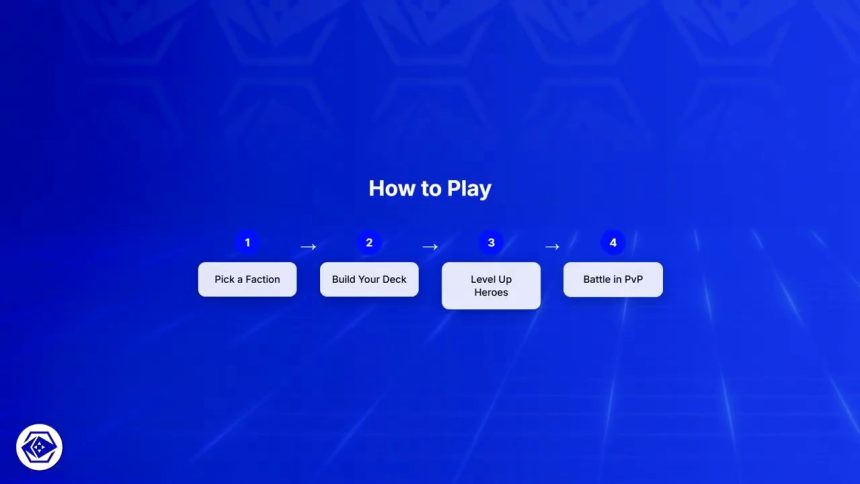
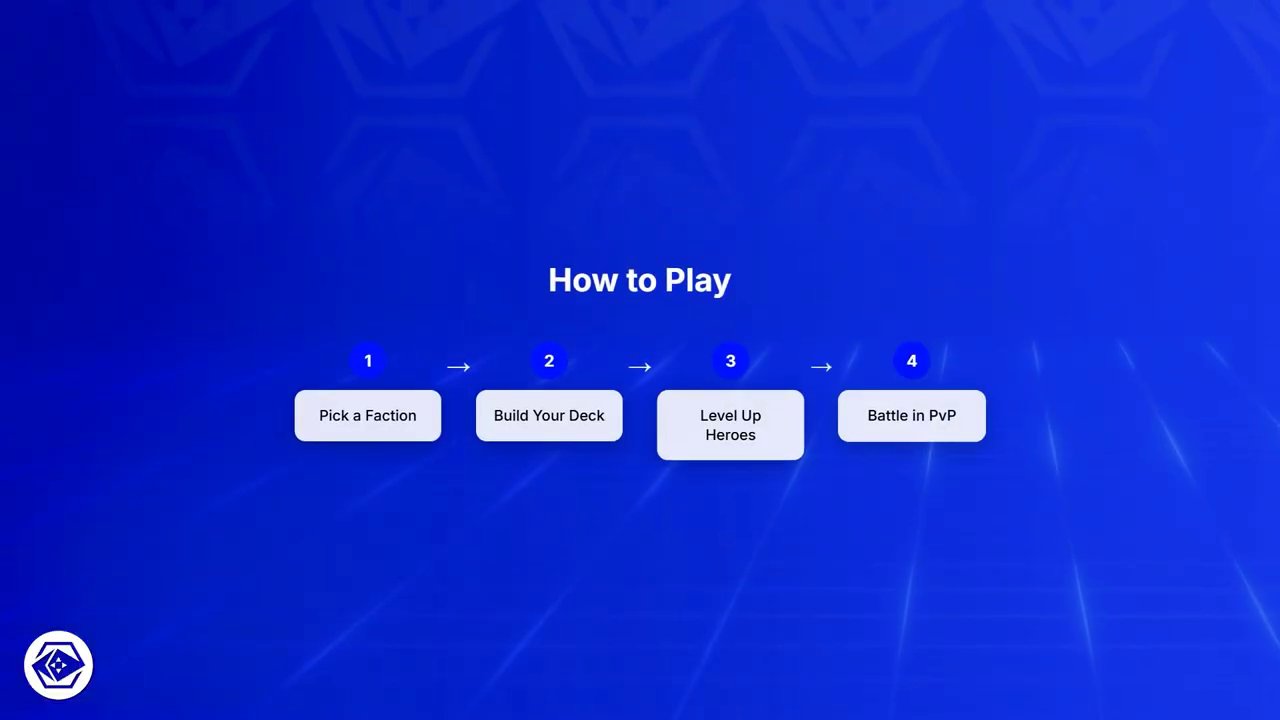
The game leverages decades of Might and Magic lore, featuring heroes, creatures, and spells from multiple iconic factions. The core loop is classic TCG: build a deck and engage in one-on-one PvP duels. A compelling RPG layer is added as heroes level up through gameplay, unlocking unique abilities that define your long-term deck identity. Both casual and ranked competitive modes are available.
Ubisoft has emphasized a skill-based design over pay-to-win mechanics, offering clear free-to-play paths to building competitive decks. Full cross-platform play is supported, making it one of the most accessible blockchain card games on the market.
The game features hundreds of collectible cards. While all cards are usable through gameplay, optional NFT versions are available for players in eligible regions, tradable on the Immutable marketplace. A disenchantment and crafting system is also on the development roadmap. The game’s expansion was completed with its Steam Early Access launch in mid-February 2026, solidifying its position as a fully cross-platform title. This kind of high-profile, polished entry is a positive signal for the industry, suggesting a move beyond the speculative frenzy and towards sustainable quality, a topic we’ve examined in The Rise and Fall of Crypto Gaming: A Post-Mortem and a Path Forward.
Conclusion: The Future of Gaming is Cross-Platform
The diversity of this list—from mobile strategy and sports to browser-based farming and AAA card games—highlights a maturing sector. The consistent theme is accessibility. By breaking down platform barriers and, in some cases, abstracting blockchain complexity, these games are prioritizing the player experience first. They offer genuine gameplay hooks—strategy, competition, collection, and community—enhanced by, not dependent on, underlying Web3 economies.
Whether you’re drawn to the tactical depth of Might and Magic: Fates, the real-world excitement of Sorare and FIFA Rivals, the communal charm of Pixels, or the strategic warfare of Heroes of Mavia, there’s a cross-platform crypto game ready for you to play right now. The era of being locked to a single device is over; the future of play-to-earn is wherever you are.