
The Solana blockchain has become a hotbed for innovation in the play-to-earn gaming space, offering a diverse range of experiences from deep RPGs to casual idle games. If you’re looking to explore the frontier of blockchain gaming and potentially earn while you play, this curated list highlights five standout titles currently active on the Solana network. From training magical creatures to mining crypto in your sleep, these games represent the cutting edge of what’s possible when gaming meets decentralized technology.
5. Seekers of Tocane: A Free-to-Play JRPG Adventure
Kicking off our list at number five is Seekers of Tocane, a free-to-play immersive JRPG available on the Epic Games Store. This game invites players into a world of procedurally generated, ever-lasting lands for roguelite adventures. The core gameplay loop is centered on exploration and collection, specifically the training of magical creatures known as nefties.
These creatures come in six elemental types: fire, water, plant, earth, wind, and lightning. Combat is strategic, utilizing a turn-based, one-on-one Blitz Battle System that demands careful planning and anticipation of your opponent’s moves. Your journey begins in Blanche Village, a social hub where you can customize your character’s appearance and interact with other players.
The game masterfully blends PvE land exploration with PvP-ranked battles. It employs compelling risk-reward mechanics: pushing deeper into uncharted territories yields better loot, but defeat means your squad faces total loss. Economically, Seekers of Tocane operates on a Play and Earn model using the Ori token for all marketplace transactions and reward distributions.
A unique weekly distribution system splits earnings into Oka and Toce pools, heavily favoring prime asset owners with a 90% allocation versus 10% for standard assets. Your earning potential is determined by a collection score based on the prime assets you own, which convert collected Ori shards into weekly rewards. Players can trade prime assets—including nefties, eggs, aurorians, and cosmetics—through a peer-to-peer marketplace. For those interested in a strategic creature-collection RPG, this game is playable now.
4. Sleepagotchi: Earn Rewards for a Good Night’s Rest
In fourth place, we have a game that turns healthy habits into an earning opportunity. Sleepagotchi is a sleep-to-earn blockchain game that merges health tracking with RPG-style mechanics. Players set personalized bedtime and wake-up schedules and earn a sleep score between 40 and 100 points based on their consistency in hitting those targets.
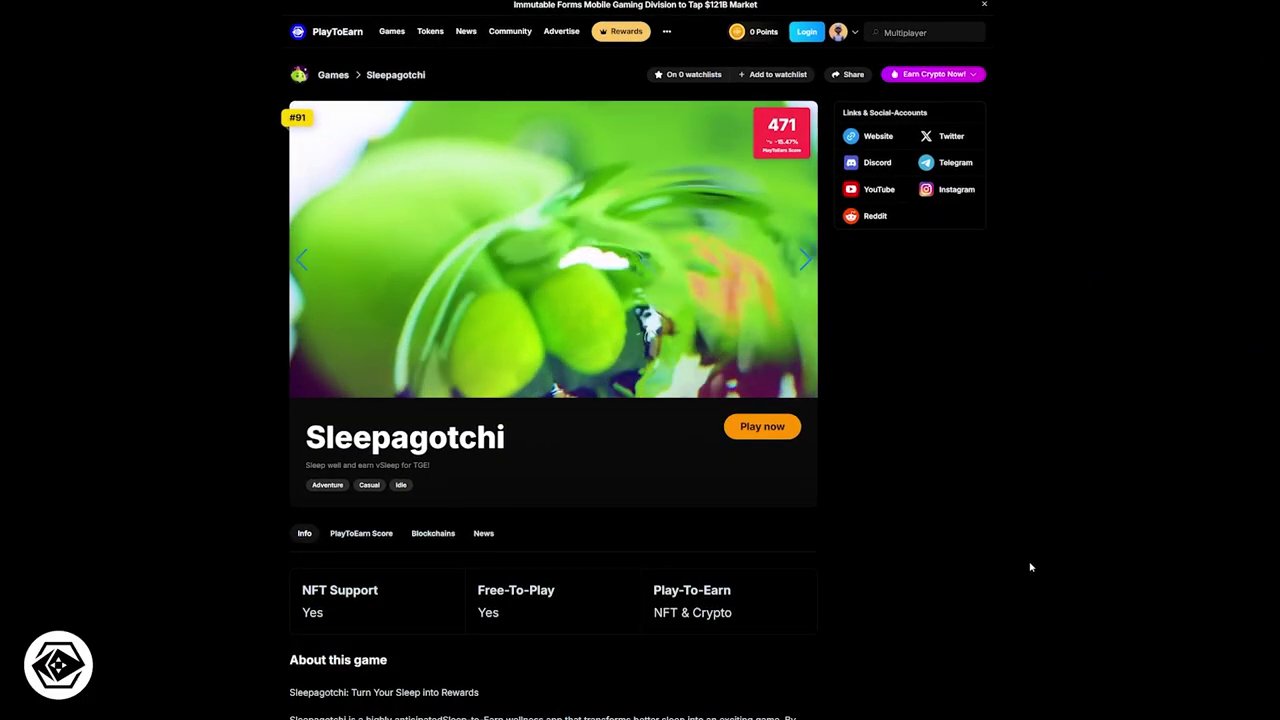
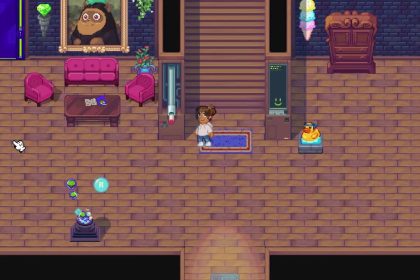
Your progress is tied to a virtual companion named Dino, who lives in a customizable room you can decorate with earned rewards. Progression is driven by two core modes: Path Mode, which offers story-driven RPG battles against nightmare enemies, and Hunt Mode, which provides passive idle rewards that accumulate over 24-hour periods. The game integrates seamlessly with Apple Health and Health Connect for automatic sleep tracking, though manual entry is available with anti-cheat systems in place.
The economic framework is straightforward: players earn V-sleep tokens directly proportional to their sleep performance, with scores translating to rewards on a one-to-one basis. You receive one free daily NFT automatically, with additional NFTs unlocked by meeting sleep targets. Earning streams are diversified, including referral bonuses, battle completions, and collaborative events with other blockchain projects. It’s a fascinating approach that incentivizes wellness, similar to the health-focused mechanics beginning to appear in other genres, as seen in our deep dive into games like Chainers.
3. Star Atlas: A Next-Generation Space Metaverse
Claiming the third spot is the ambitious Star Atlas, a next-generation space-themed metaverse built on Solana. This isn’t just a single game but a suite of interconnected experiences. It includes an immersive Unreal Engine 5 client for first-person space combat, racing, and exploration, paired with a strategic, browser-based economy simulator called Sage Labs.
Pilots can fly ships through stunning asteroid fields and faction hubs, engage in PVP battles, and explore space stations in the UE5 client. Meanwhile, Sage focuses on the macro-level strategy of fleet management, resource extraction, crafting, and logistics. The social layer is built around Decentralized Autonomous Corporations (DACs), which function as player-controlled guilds capable of constructing entire space cities and managing regional economies.
Professional specializations like mining, freight hauling, bounty hunting, and piracy require specific ship configurations and crew. The universe features varying security zones, from safe tutorial areas to dangerous frontier regions where permanent asset destruction creates meaningful risk-reward decisions. Star Atlas uses a dual-token system with Atlas as the in-game currency and POLIS for governance.
With all game assets existing as tradable NFTs on Solana, players can earn through fleet operations, resource mining, combat, and a newly introduced ink system that rewards gameplay with tradable resources. The integrated marketplace supports peer-to-peer trading using Atlas or USDC. For newcomers, Holosim Season 1 offers a free-to-play entry point. This space strategy chapter runs until September 24th and features a $35,000 prize pool. Players can earn a share by either completing a questline for a welcome package or climbing the leaderboard by earning XP to win USDC, SOL, and other prizes. The scale and vision of Star Atlas make it a cornerstone of the crypto gaming landscape, reflecting the sector’s high ambitions and challenges.
2. Pepe Games: The Meme-Powered Web3 Gaming Hub
Securing second place is Pepe Games, billing itself as the world’s first meme-themed Web3 gaming hub. Co-powered by AI and built around legendary meme IPs like Pepe and Wojak on Solana, it focuses on IP co-building incentives and cross-game interoperability of points and items.
The hub features multiple engaging minigames:
– Boom Mars Miners: Players drop up to 420 soccer bombs daily to mine oil, gold, and energy stones, exchanging them for PPG points. Upgrading bombs yields higher returns, and players compete for daily grand prizes and weekly leaderboard spots.
– Club 69: A lucky draw where users spend 690 points per ticket to share a weekly prize pool and earn meme token airdrops.
– Meme Darts: Grants 420 balloons (and random super balloons) daily for a darts-based point-scoring game, with a risk of “game over” after misses. Top players divide the weekly reward pool.
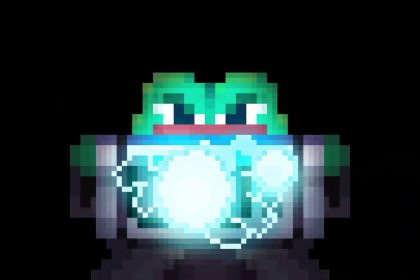
AI-powered tools like the Frogbot and Cybertruck Miner automate resource harvesting for a small SOL payment, providing daily point outputs and saving player time. The PPG points, earned from resources at set rates, will be convertible to a future PPG governance token. Points also accrue through leaderboard incentives and referrals. Holding an Epic 69 Genesis NFT unlocks PPG airdrop allocations, VIP access, special items, and community governance rights. With a roadmap targeting the official PPG token listing by September 2025, Pepe Games offers a lighthearted, community-driven entry into play-to-earn, showcasing the fun and viral potential of Web3 gaming, much like the titles featured in our roundup of the Top 5 Cross-Platform Crypto Games You Can Play Right Now.
1. No Mining: The Idle Telegram Mining Simulator
And finally, taking the top spot is No Mining, an idle mining simulation game built directly into Telegram. This Web3 game combines virtual cryptocurrency mining with engaging mechanics, allowing a simulated mining experience without physical hardware.
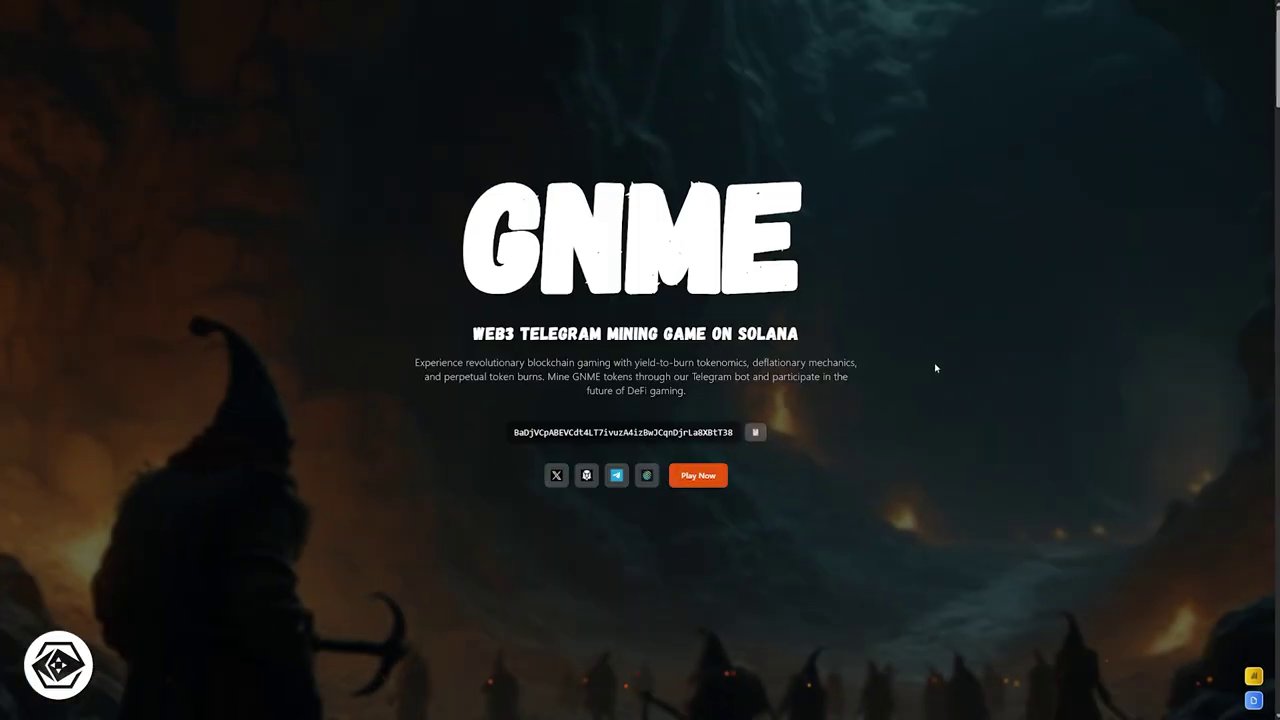
The game is accessed through a Telegram bot, which generates a unique mining wallet for the player. The fundamental unit of mining capability is Hash Power, acquired by depositing SOL into your wallet at a rate of 100 Hash Power per 0.1 SOL. This Hash Power is then used to mine GNOME tokens.
The system maintains a daily block generation rate of 1,200 blocks, with block times dynamically adjusting between 1 to 2 minutes. Each mined block distributes GNOME tokens to all active miners, proportional to their share of the total network Hash Power. Accumulated tokens can be claimed every 15 minutes, with distributions batched for network efficiency. The experience is gamified with playful elements like gnomes mining with pickaxes, and it includes a referral program to incentivize community growth. For a straightforward, accessible, and passive earning experience directly from a messaging app, No Mining is playable now and represents the innovative, low-friction future of casual crypto gaming.
Conclusion: A Diverse Ecosystem of Opportunity
The Solana play-to-earn landscape is remarkably diverse, offering something for every type of gamer. Whether your interest lies in deep, strategic JRPGs like Seekers of Tocane, wellness-integrated experiences like Sleepagotchi, expansive space metaverses like Star Atlas, community-driven meme hubs like Pepe Games, or casual idle simulators like No Mining, the options are both innovative and readily accessible.
Each game demonstrates a different facet of the play-to-earn model, from direct token rewards for gameplay actions to earning through asset ownership and market activity. As the space continues to evolve, these titles on Solana provide a compelling starting point for anyone looking to explore the intersection of gaming and decentralized finance. Remember, the key is to find games whose core gameplay you genuinely enjoy; the potential to earn then becomes a rewarding bonus on top of a fun experience. For the latest news and deeper dives into all things blockchain gaming, be sure to explore our comprehensive database.