
The Base blockchain is quickly becoming a powerhouse for innovative and engaging play-to-earn experiences. With a surge of new titles launching, it can be tough to know where to start. To help you navigate this exciting landscape, we’ve compiled a definitive list of the top five games building on Base that you need to add to your watchlist. From strategic base-building and real-time PvP conquest to fantasy football trading and sci-fi card battles, this lineup offers something for every type of gamer looking to earn while they play.
- #5: Heroes of Mavia – Strategic Base-Building Warfare
- #4: Clash of Coins – Real-Time Global Domination
- #3: Super Trip Land – Fast-Paced Browser-Based FPS Action
- #2: Parallel – A Deep Sci-Fi Trading Card Game
- #1: Football.Fun – On-Chain Fantasy Sports Trading
- Conclusion: A Diverse Play-to-Earn Ecosystem on Base
#5: Heroes of Mavia – Strategic Base-Building Warfare
Kicking off our list is Heroes of Mavia, a multiplayer strategy game that drops players onto the fantasy island of Mavia. Here, the core gameplay revolves around constructing and fortifying a personal base while commanding a diverse army. Success depends on strategically placing walls, turrets, and traps to protect your valuable resources from rival players.
The game’s depth is unlocked through your headquarters, which progresses to reveal new buildings, troops, and upgrades. Players can train over 12 distinct infantry, vehicle, and air units, each with a specific combat role. Legendary heroes add another layer of tactics, providing unique battlefield abilities that can turn the tide of war. The social and competitive aspects are covered by the Alliance system, allowing you to form teams and participate in large-scale Alliance Wars against global competitors.
The play-to-earn economy in Heroes of Mavia is multi-faceted:
– Golden Oil: A production-based resource required for upgrades and troop training, which your base generates and can be looted from opponents.
– Ruby: The primary earnable currency, acquired through battles and challenges. Rubies are used to mint legendary items that exist as NFTs.
– Mobile Fire: A premium currency for instant upgrades and shields.
– The Mavia Token: Enables trading legendary items on the web marketplace and grants governance participation rights.
A particularly interesting feature is the game’s approach to NFTs. Instead of mass drops, Heroes of Mavia is launching limited edition NFTs minted on-demand based on real-player activity. Eligibility is determined by measurable in-game actions like Ruby earnings, games played, and ecosystem participation, making each NFT a permanent record of individual player commitment.
For a more detailed breakdown of Heroes of Mavia’s mechanics and roadmap, you can check out our dedicated article.
#4: Clash of Coins – Real-Time Global Domination
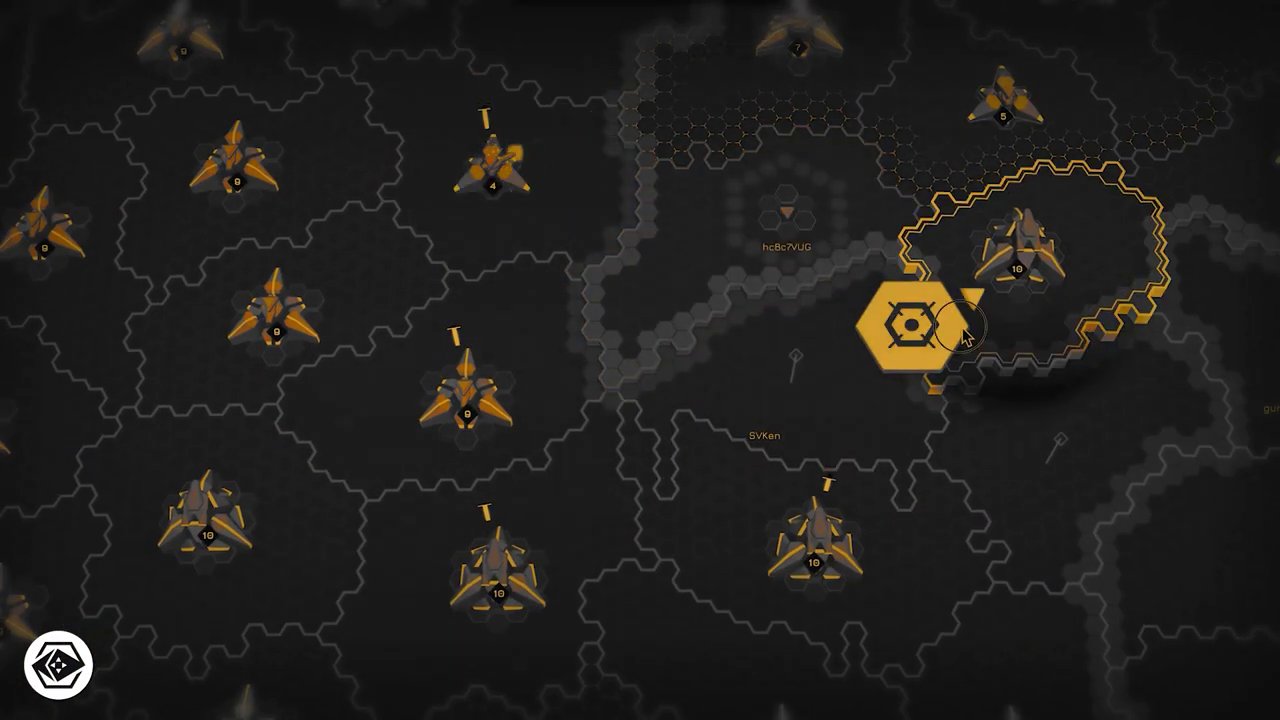
In fourth place is Clash of Coins, a fast-paced, real-time PvP game playable directly through a web browser or the Base app. The game presents a globe-like map divided into continents, countries, and territories. Your objective is simple: capture land by clicking on unoccupied territories or using offensive buildings to blast through enemy defenses.
The core loop is addictive. Captured territories generate Units, the primary in-game currency, passively over time. This provides a constant income stream to reinvest in further expansion and infrastructure. Players construct three types of buildings:
– Defensive Structures to extend territorial hold.
– Offensive Buildings to break enemy lines.
– Special Buildings that boost production or provide strategic utilities.
A dynamic wildcard element is introduced by the Virus AI, a chaotic entity that spawns randomly and spreads across the map. This forces players to either collaborate to defeat it or exploit the ensuing chaos for their own gain. Players can also form groups with shared income pools and equip up to three buildings at once to define their playstyle, creating a constant balance between expansion and defense.
The economy utilizes Units earned from territories for captures and upgrades. Players collect buildings of varying rarity and can trade them on the in-game marketplace. The OWB and VOWB tokens function to purchase in-game resources and distribute seasonal rewards. The in-game shop offers loot boxes, boosters, and seasonal battle passes, purchasable with Units.
#3: Super Trip Land – Fast-Paced Browser-Based FPS Action
Taking the third spot is Super Trip Land, a free-to-play multiplayer first-person shooter that runs directly in your web browser with support for both desktop and mobile devices. This accessibility makes it incredibly easy to jump into a match. Games are fast-paced, five-minute deathmatches set across four distinct maps like the Santiago Shrine Arena and Fidelio.
The twist here is that the core gameplay loop emphasizes collecting Tripcoins scattered across the arena just as much as defeating opponents. Players can choose from five weapons, including an SMG, AK, Scoped Rifle, Sniper Rifle, and a Switchblade. Every match features a periodic red coin mechanic that spawns, creating high-stakes moments where all players converge for a valuable prize.
The game supports daily quests with varying difficulty levels that reward Tripcoins and features a guild system for coordinated play. A real-time tab menu shows all player rankings during a match. For those interested in the broader play-to-earn scene, exploring titles on other chains can be rewarding; check out our guide on the Top 5 Play-to-Earn Games Building on Ethereum Right Now for more options.
Super Trip Land’s monetization focuses on cosmetics. Players collect cosmetic items called Trippies through crates, daily spins, and quest completion. These skins cover clothing, accessories, and weapon appearances. Standard items are minted on Base, while the rarest mythical tier items reside on the Ethereum mainnet. Importantly, all cosmetics are visual-only and confer no gameplay advantages.
#2: Parallel – A Deep Sci-Fi Trading Card Game
The runner-up is Parallel, a highly anticipated science-fiction trading card game currently available on PC and coming to iOS and Android in early 2026. Built on both Ethereum and Base, it offers a bridge between the two ecosystems. In Parallel, players select one of five factions—the Marcolean, Augencour, Cathari, Shroud, or Earthen—and a Paragon Leader with unique abilities.
Matches are one-versus-one, turn-based duels where the goal is to reduce your opponent’s health from 30 to zero. The core mechanic involves banking cards to generate energy each turn, which is then spent to deploy units, relics, and effects in tactical combinations. The game offers ladder-ranked play, a replayable adventure mode, and a rookie queue for newer players.
A standout social feature is Bonds, which are player communities within the broader Echelon ecosystem. Members can lend and share cards within their group while earning exclusive cosmetics. Crucially, the game is free to play and requires no cryptocurrency or digital wallet to start, lowering the barrier to entry significantly.
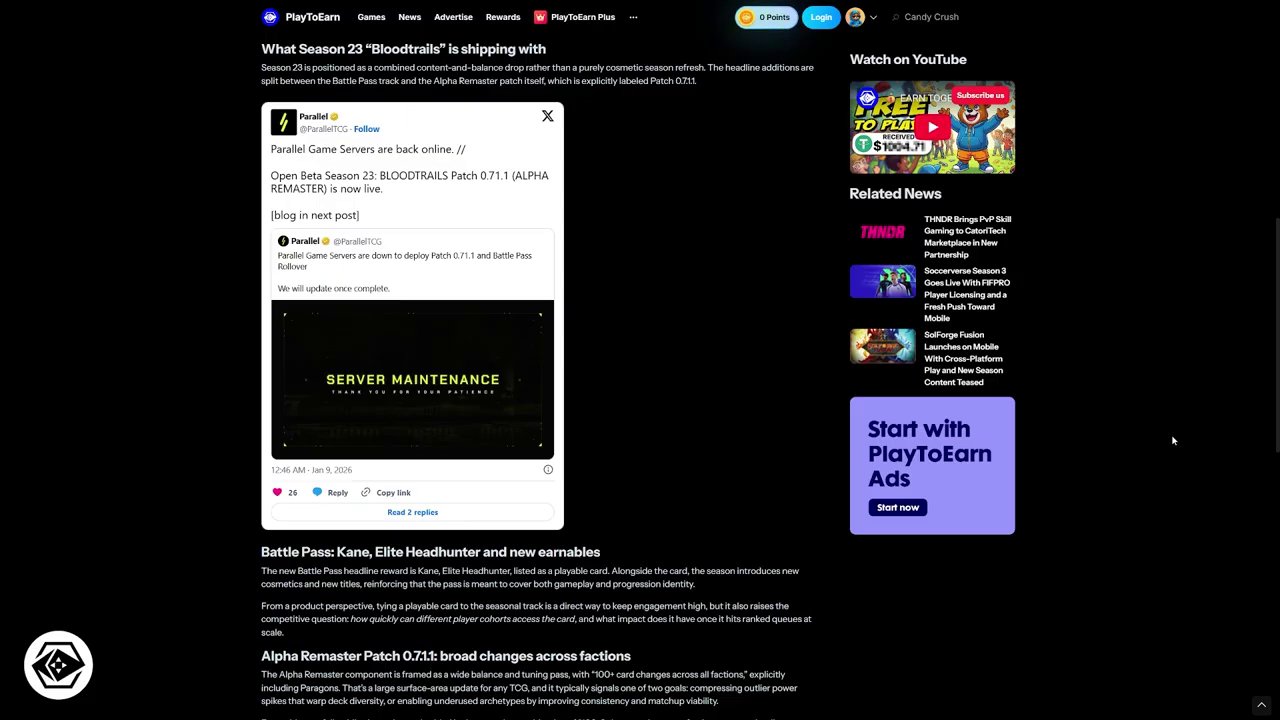
The game features Apparitions (account-bound cards earned through gameplay) and tradeable digital collectible versions (NFTs) on Ethereum and Base. Glints serve as the in-game cosmetic currency. The game recently launched Season 23, “Blood Trails,” featuring a new battle pass and the “Alpha Remaster” patch, which implemented over 100 card changes to shift the competitive meta. For a deeper analysis of the play-to-earn model’s evolution, consider reading The Rise and Fall of Crypto Gaming: A Post-Mortem and a Path Forward.
#1: Football.Fun – On-Chain Fantasy Sports Trading
Claiming the top spot is Football.Fun, a unique on-chain fantasy sports prediction and trading platform. It allows players to own, trade, and compete with fractional shares of real-world football athletes from top global leagues. The core mechanic is elegantly simple: purchase shares of a player, and those shares automatically enter twice-weekly tournaments based on real-world match results.
You earn rewards proportional to your share ownership whenever “your” athletes perform well on the pitch. A goal scores 50 points, an assist 30, and a clean sheet earns up to 40 points. Unlike traditional fantasy football, there are no weekly lineups to set—all contracted shares compete automatically, making it a game of strategic investment and timing.
The platform offers two entry points: a free-to-play version that gives new players 300 tournament points and three starter packs, and a pro-version for those who deposit USDC. A key strategic layer is the contract system; each player share comes with four renewable contracts, forcing constant decisions on when to hold, trade, or rotate squad members.
The economy is built on several pillars:
– Gold: Used to buy shares and renew contracts.
– Player Shares: Tradable ownership in real athletes, with prices fluctuating based on market demand and on-pitch performance.
– Tournament & Skill Points: Reward successful participation and determine promotion mechanics.
– The FUN Token: Captures platform revenue through buybacks and grants fee discounts for holders.
What sets Football.Fun apart is its skill rating system, which ranks players by tournament performance rather than money spent, rewarding football knowledge over pure capital. This focus on strategy makes it one of the most compelling entries in the play-to-earn space today. For players looking for diverse earning opportunities, our weekly guide, From Airdrops to Real-World Spending: Your Weekly Guide to Crypto Gaming’s Hottest Opportunities, is an excellent resource.
Conclusion: A Diverse Play-to-Earn Ecosystem on Base
The Base blockchain is proving to be a fertile ground for high-quality play-to-earn games that cater to a wide array of interests. Whether your passion lies in the strategic depth of Heroes of Mavia, the real-time global conquest of Clash of Coins, the instant-action FPS gameplay of Super Trip Land, the cerebral card battles of Parallel, or the sports-trading strategy of Football.Fun, there is a compelling world waiting for you.
This list highlights a crucial trend in the sector: successful play-to-earn games are those that offer engaging core gameplay first, with earning mechanics thoughtfully integrated to enhance, rather than define, the experience. As the ecosystem on Base continues to heat up, these five titles represent the forefront of what’s possible, blending entertainment with genuine economic opportunity for players worldwide.