

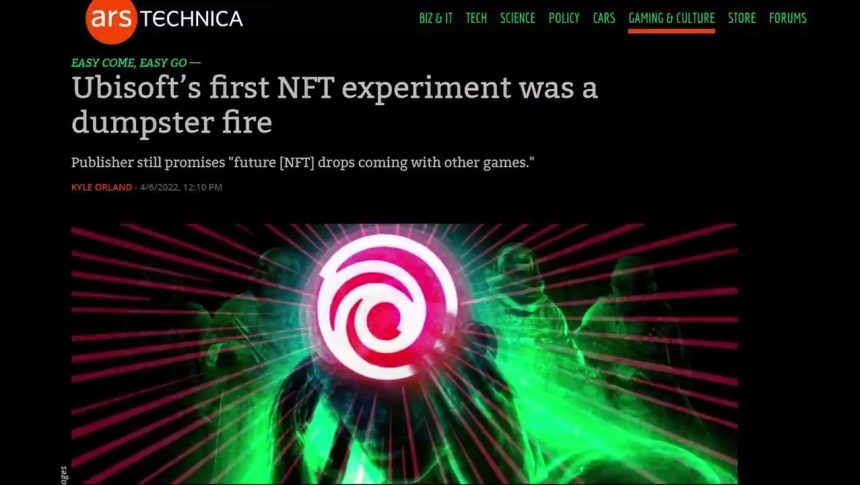
The world of crypto gaming is often a murky one, filled with broken promises and asset flips. In a quest to separate the hype from reality, we ventured into the depths of the Epic Games Store to test six new blockchain-based titles. What we found was a landscape of ghost towns, blatant theft, and games that barely function, raising serious questions about the value proposition of Web3 in gaming today.
- The Methodology: An Unbiased Search for Crypto Gaming
- Game 1: Awaken – The Ghost Town Metaverse
- Game 2: Bladewright – A Functional, But Unnecessary, Crypto Tag-Along
- Game 3 & 4: Vag Strike & Red Eclipse – A Tale of Theft and Justice
- Game 5: Grit – The $1,000 NFT Horse That You Can’t Ride
- Game 6: Arcbound & Red Chaos – The Bottom of the Barrel
- Conclusion: A Pattern of Low-Effort Hype
The Methodology: An Unbiased Search for Crypto Gaming
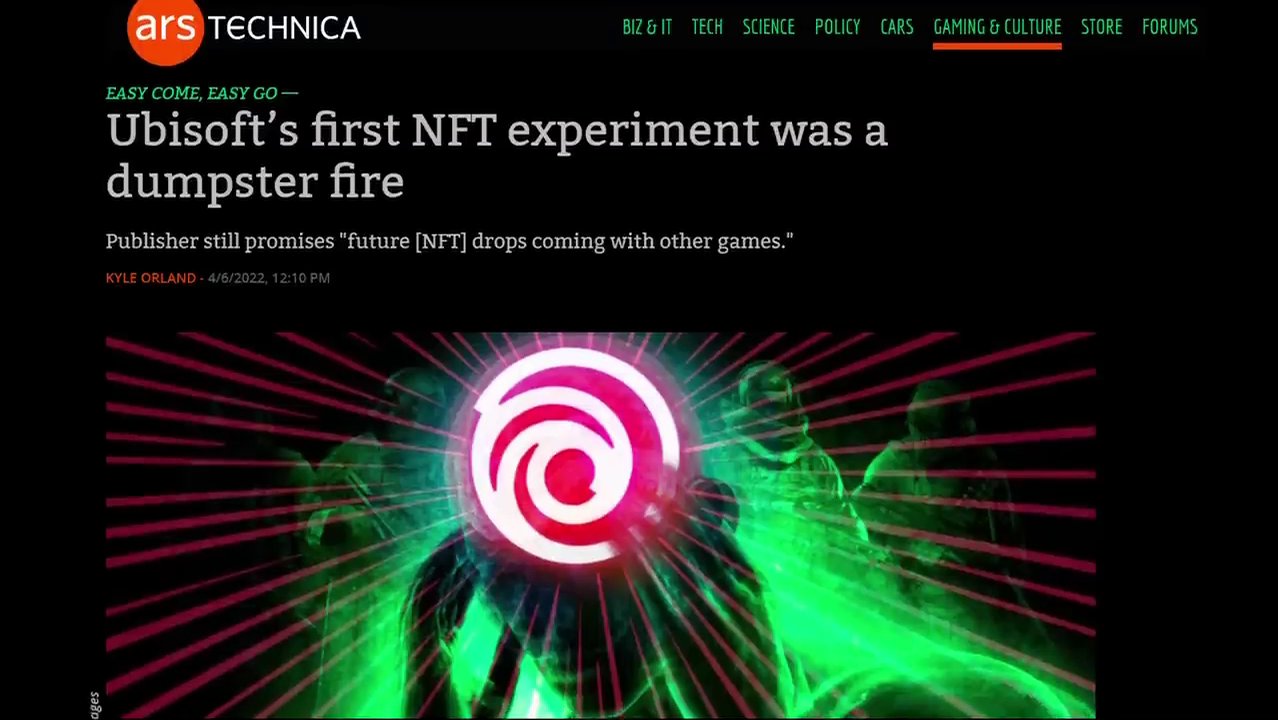
To ensure a fair and comprehensive sample, our selection process was deliberately simple. We typed “blockchain” into the Epic Games Store search bar and downloaded the results in alphabetical order. This method removed any potential bias in game selection, presenting us with a raw cross-section of what the platform currently hosts under this buzzword. With Steam’s outright ban on blockchain and NFT content, Epic has become a primary haven for these projects, making it the perfect hunting ground for this investigation. The promise from Epic’s leadership was that crappy games wouldn’t be allowed—a claim we were about to put to the ultimate test.
Game 1: Awaken – The Ghost Town Metaverse
Our first stop was Awaken, described as a fighting game and open-world metaverse built on the Ethereum blockchain. The warning signs were immediate: the store page featured no gameplay footage or screenshots, only seemingly AI-generated images.
Upon launching, players are greeted by a bizarre and unsettling sight before being assigned a Bored Ape Yacht Club NFT as an avatar—an ironic case of NFT projects stealing from each other. The menu was a graveyard of broken promises, with nearly every option displaying the message: “This feature will be available in a later version of the game. We apologize.”
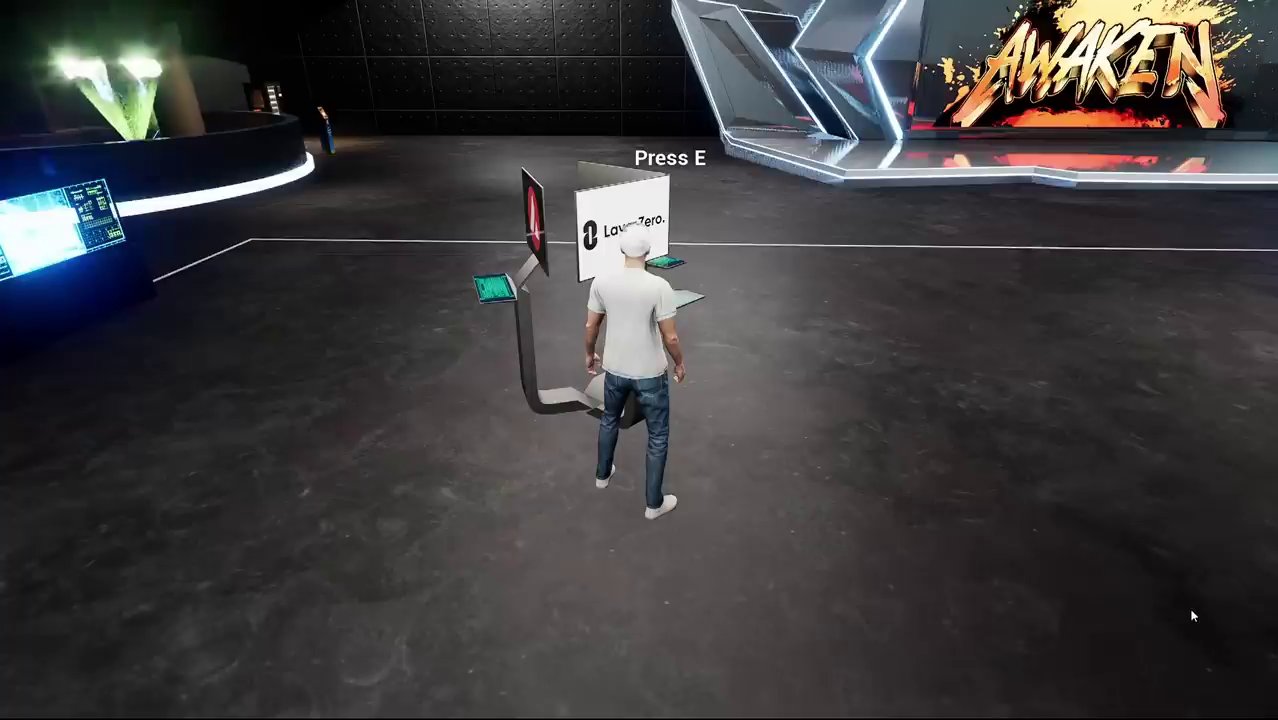
The only functional button was “Fight,” which transported us to a desolate hub world plastered with advertisements and devoid of any other players. Attempts to find a match were futile, as the game appeared to be a complete ghost town. Despite this emptiness, the game was a significant resource hog, though investigation revealed no hidden crypto miner—just two gigabytes of standard Unreal Marketplace assets. The project’s social media and Discord were equally barren, filled only with automated “GM” (Good Morning) spam. The ultimate verdict? A strange, non-functional shell of a game rated a negative 100 out of 10, yet still planning to release its own NFT collection.
Game 2: Bladewright – A Functional, But Unnecessary, Crypto Tag-Along
Bladewright presented a stark contrast as a multiplayer melee battle royale. Developed by a Singapore-based studio, it’s a mobile-first experience ported to PC, complete with oversized UI and noticeable jiggle physics. Surprisingly, the core gameplay was relatively smooth, with functional keyboard and mouse controls, MOBA-like item systems, and character ultimates.
However, matches seemed populated entirely by bots with rudimentary AI. The monetization was a confusing mix: a premium currency called “Gold” for loot boxes and an in-game marketplace, plus a separate, seemingly dormant NFT collection on Solana. This raised the central question: what about this game actually needs crypto? It already has a fully functioning cash shop without it. While far from the worst offender—earning a 4 out of 10—it exemplifies the trend of slapping blockchain onto a game where it serves no clear, functional purpose for the player experience.
Game 3 & 4: Vag Strike & Red Eclipse – A Tale of Theft and Justice
The investigation took a dramatic turn with Vag Strike, an “old-school arena shooter.” It was immediately recognizable as a blatant, stolen copy of the free, open-source game Red Eclipse. The developers, “Quinn,” had simply ripped the game, replaced the title, and claimed it as their own “Web3” product.
The fraud was extensive:
– They claimed community-created maps from Red Eclipse as their own.
– Failed to fully scrub the original game’s logos from the UI.
– Used screenshots directly from Red Eclipse‘s Steam community page for their Epic Store listing.
– Couldn’t even host their own servers, instead leaching off Red Eclipse‘s main server, revealing their actual player count was near zero.
The story has a satisfying conclusion. The Red Eclipse developers, upon discovering the theft, pushed an update through the stolen client itself. Now, when players try to launch Vag Strike, a pop-up appears redirecting them to the legitimate Red Eclipse before the game permanently bricks itself. This saga is less a review and more an endorsement for the impressive quality and integrity of the open-source Red Eclipse community, whose recent 2.1 update is free on Steam.
Game 5: Grit – The $1,000 NFT Horse That You Can’t Ride
Grit, published by the infamous Gala Games, was once hyped as the “world’s first Web3 battle royale” and notorious for selling $1,000 NFT horses. After a long development, it finally launched in 2023. Or did it?
Upon downloading 35GB and launching, players are met with a persistent “server error” when trying to log in. A visit to the Discord reveals the servers have been down for about a month with no communication from the developers. The last update was in March 2023. While the game is completely unplayable, the marketplace for NFT weapons and horses remains ominously open for business.
Given Gala’s terrible track record—where two out of three previously reviewed games are currently suing the publisher—it’s likely the team has abandoned the project. This highlights a cruel irony of blockchain’s “immutability”: there are no takebacks or refunds for digital assets that are now utterly useless, unable to be used in the promised game or any other. For those looking for legitimate fun without the rug-pull risk, exploring free-to-play games that offer real earning potential can be a safer bet, as detailed in guides like Level Up Your Fun: 8 Real Ways to Earn Crypto by Playing Free Games.
Game 6: Arcbound & Red Chaos – The Bottom of the Barrel
The final entries cemented the pattern of low-effort, asset-flip projects.
Red Chaos is an almost unmodified build of the Unreal Engine Lyra starter template with swapped assets. Its description is an illegible wall of text, and it brazenly seeks $5.85 million in funding based on an entirely AI-generated whitepaper claiming (dubious) AAA developer experience. With no real names attached to the project, it earns a negative 12 out of 10.
Arcbound is a top-down action RPG so poorly executed it feels like a student project. The combat is mindless, the AI is broken, the UI is archaic, and the audio is grating. The investigation revealed its true nature: it’s a literal re-skin of Obsidian Legacy, a failed, “Mostly Negative” rated Steam game from seven years ago. The developers simply dug this abandoned title out of the digital landfill and hosed it down with crypto jargon. This kind of cynical repackaging is why due diligence is critical in the crypto space, especially when navigating the volatile and often opportunistic market surrounding these projects.
Conclusion: A Pattern of Low-Effort Hype
This deep dive into six Epic Games Store crypto titles reveals a consistent and disappointing pattern. The landscape is dominated by:
– Non-functional products like Awaken and Grit that serve only as front-ends for future NFT sales.
– Unnecessary blockchain integrations like Bladewright, where crypto adds no tangible player benefit.
– Blatant fraud and asset theft as seen with Vag Strike.
– Low-effort asset flips like Red Chaos and Arcbound, which represent the bare minimum effort for maximum speculative gain.
The common thread is a fundamental disconnect from what makes a game enjoyable or even functional. The priority is consistently on monetization and speculation over gameplay, stability, or community. While the promise of true digital ownership and interoperability remains a compelling vision for some, the current reality on one of PC gaming’s major storefronts is largely a showcase of broken promises and cynical cash grabs. For players, the lesson is clear: prioritize the game first, not the token. As the broader crypto gaming industry continues to evolve, with some projects succeeding and many shutting down, the need for critical scrutiny has never been greater. For every high-profile failure, however, there are teams building genuine experiences, and staying informed through resources like The 2025 Crypto Gaming Awards: Winners, Shutdowns, and What to Expect in 2026 can help separate the sustainable projects from the slop.