
The world of blockchain gaming is vast, but some of the most promising projects are being built on platforms that fly under the radar. One such platform is the Phantasma blockchain, a layer-one network specifically designed for digital content and boasting unique features like “smart NFTs.” After a personal recovery and a new investment into the ecosystem, one content creator is spotlighting the five NFT games being built on Phantasma that have them most excited for the future of play-to-earn. From mobile festivals to medieval RPGs, these titles showcase the diverse potential of an undervalued chain poised for growth.
- Why Phantasma? The Underrated Blockchain for Gaming
- The Countdown: 5 Most Anticipated Phantasma Games
- 5. Ghost Festival: A Mobile Gaming Festival in Your Pocket
- 4. Wonder Man Nation: A Wacky Mashup of Final Fantasy and Axie
- 3. 22 Racing Series: Real-Time Strategy Meets Physics-Based Racing
- 2. Blood Rune: A Legacy Card Game from a Veteran Developer
- 1. Crusader’s Dynasty: The AAA Medieval Fantasy RPG
- Conclusion: A Blockchain Poised for a Breakout
Why Phantasma? The Underrated Blockchain for Gaming
Before diving into the games, it’s crucial to understand why Phantasma is generating buzz among a niche group of gamers and developers. The creator describes it as a “super underrated blockchain for NFT gaming,” and the reasoning is technical yet compelling. At its core, Phantasma pioneered usable smart NFTs. Unlike standard NFTs that are static digital deeds, smart NFTs can be upgraded and evolved directly on the blockchain. This means the history of an item—every enhancement, every battle scar—is immutably tracked on-chain, adding a deep layer of provenance and functionality perfect for complex game economies.
Beyond its technical prowess, Phantasma is presented as a complete ecosystem ready for adoption. It already hosts a fully functional NFT marketplace called Ghost Market and an integrated game hub, Pavilion, which connects to Steam. With fast, cheap transactions and an eco-friendly proof-of-stake consensus, the argument is that Phantasma offers a superior developer experience compared to many congested and expensive layer-one chains. The creator has personally invested, staking over 50,000 SOUL (the chain’s governance token) to become a “Soul Master,” signaling strong belief in its long-term potential. With a market cap around $70 million, they see immense room for growth as more developers discover its advantages, similar to how other chains like Polygon have become powerhouses for play-to-earn titles.
The Countdown: 5 Most Anticipated Phantasma Games
The selection spans various genres, highlighting Phantasma’s versatility. Each game leverages the blockchain’s smart NFT capability to promise true digital ownership, where players’ time and achievements translate into tangible assets.
5. Ghost Festival: A Mobile Gaming Festival in Your Pocket
Kicking off the list is Ghost Festival, a mobile-first, casual game slated for an initial Android release. The core promise is simple: your items live in your wallet, not on a developer’s server, making them “truly yours.” The game will allow players to own NFT characters and weapons, such as hammers, which can be battled, evolved, and infused with new abilities. These assets can then be kept for prestige or sold for profit.
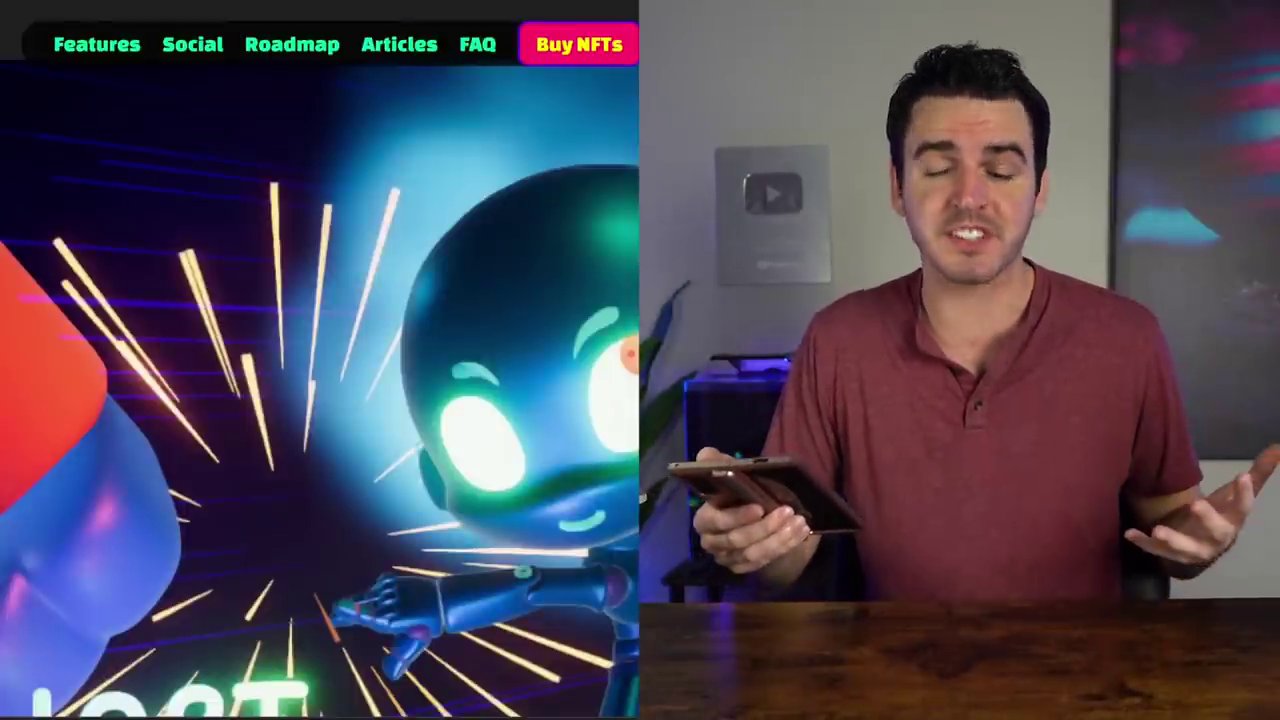
The unique social hook is the “festival” concept. Players can customize their own festival with mini-games and monsters, then invite others to experience it. In return, they can visit other players’ festivals, earning points and exclusive rewards through this shared social space. The mobile focus is a strategic strength, potentially opening the game to a massive global audience, especially in regions where play-to-earn mechanics can provide meaningful supplemental income. While specific gameplay footage is still under wraps, the concept of a portable, ownable, and social gaming festival has significant potential.
4. Wonder Man Nation: A Wacky Mashup of Final Fantasy and Axie
Coming in at number four is Wonder Man Nation, a game with an intentionally quirky art style and ambitious design goals. The pitch is a direct hybrid: it aims to combine the satisfying, tactical combat of classics like Final Fantasy V with the robust play-to-earn ecosystem popularized by Axie Infinity.
The world will be populated by a menagerie of strange and wonderful creatures, all minted as tradable NFTs on Phantasma. The ecosystem extends beyond creatures to include NFT-based food items used for upgrades and various battling environments. A significant point of confidence for the creator is the development team. The project boasts a public, 10-person team with individual profiles available, which fosters transparency and accountability—a key factor for long-term project viability in the volatile crypto gaming space.
3. 22 Racing Series: Real-Time Strategy Meets Physics-Based Racing
Already playable in early form on the Pavilion hub, 22 Racing Series earns the number three spot for its innovative genre blend. This isn’t a standard arcade racer; it’s a real-time strategy racing game built with “esports DNA.” It features a realistic physics simulation applied to high-concept “future” race cars, allowing for tracks with loops and tunnels where physics like acceleration and momentum are authentically calculated.
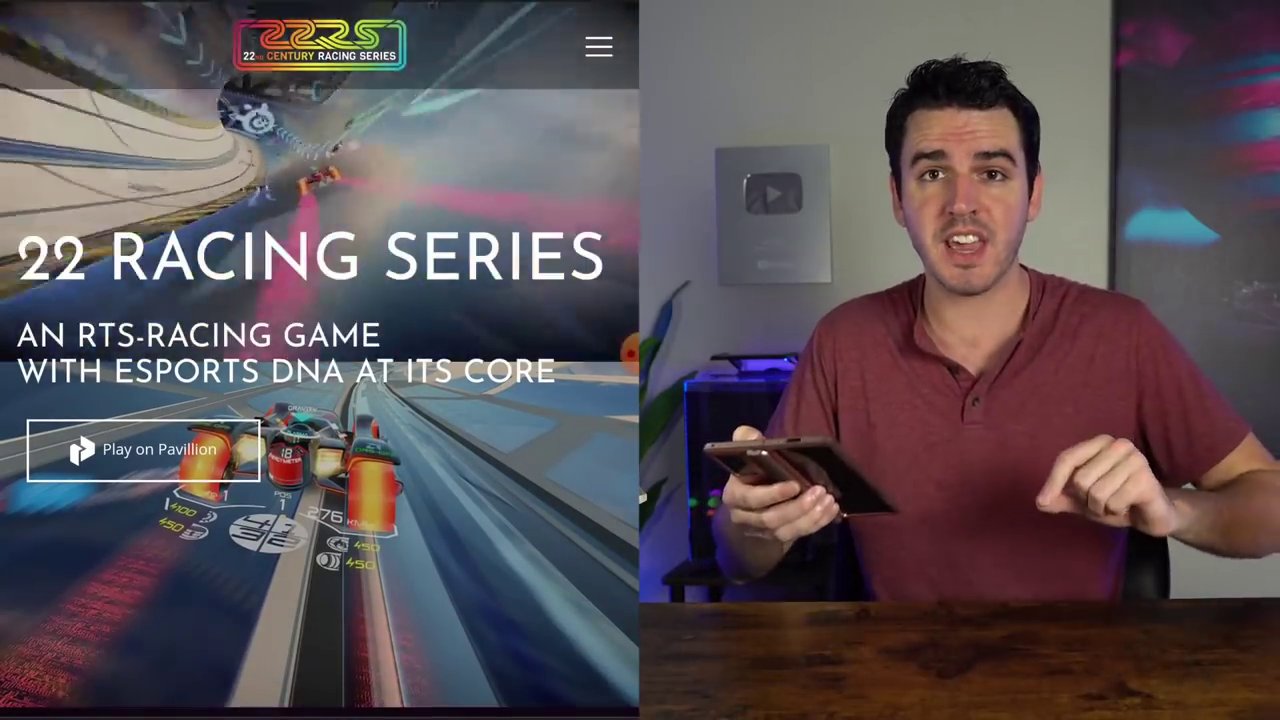
The game promises team battles and will fully integrate Phantasma’s blockchain features, including NFT car ownership and play-to-earn mechanics. The fact that it’s already delivering a playable experience, rather than just concepts, gives it a tangible edge and a clearer path to completion, making it a standout project on the chain.
2. Blood Rune: A Legacy Card Game from a Veteran Developer
The runner-up is Blood Rune, a legacy role-playing tabletop card game. While card games might not generate the same visceral excitement as action RPGs or racers, the pedigree behind this project is noteworthy. The lead designer, Chadwick, has an impressive resume featuring work for major studios like EA, Disney, Marvel, and THQ.
The game is set in a world “trapped in an alternate time stream,” where heroes seek fame, fortune, love, and power. As a legacy game, it implies evolving rules and a persistent game state. All card ownership will be secured via NFTs on Phantasma. The creator admits card games aren’t their personal favorite genre, but the combination of an experienced developer and the rich potential of a well-designed strategic card game—a genre that has seen success in the broader crypto gaming scene—makes Blood Rune a project to watch closely as more information is released.
1. Crusader’s Dynasty: The AAA Medieval Fantasy RPG
Topping the list is the game that embodies the high-end aspirations of blockchain gaming: Crusader’s Dynasty. This title is a medieval fantasy role-playing game built on a powerful engine like Unreal Engine 4 or 5, and leaked gameplay footage shows a remarkable level of polish. The visuals, complete with dynamic snowfalls and detailed character models, evoke the atmosphere of titles like The Witcher or Skyrim.
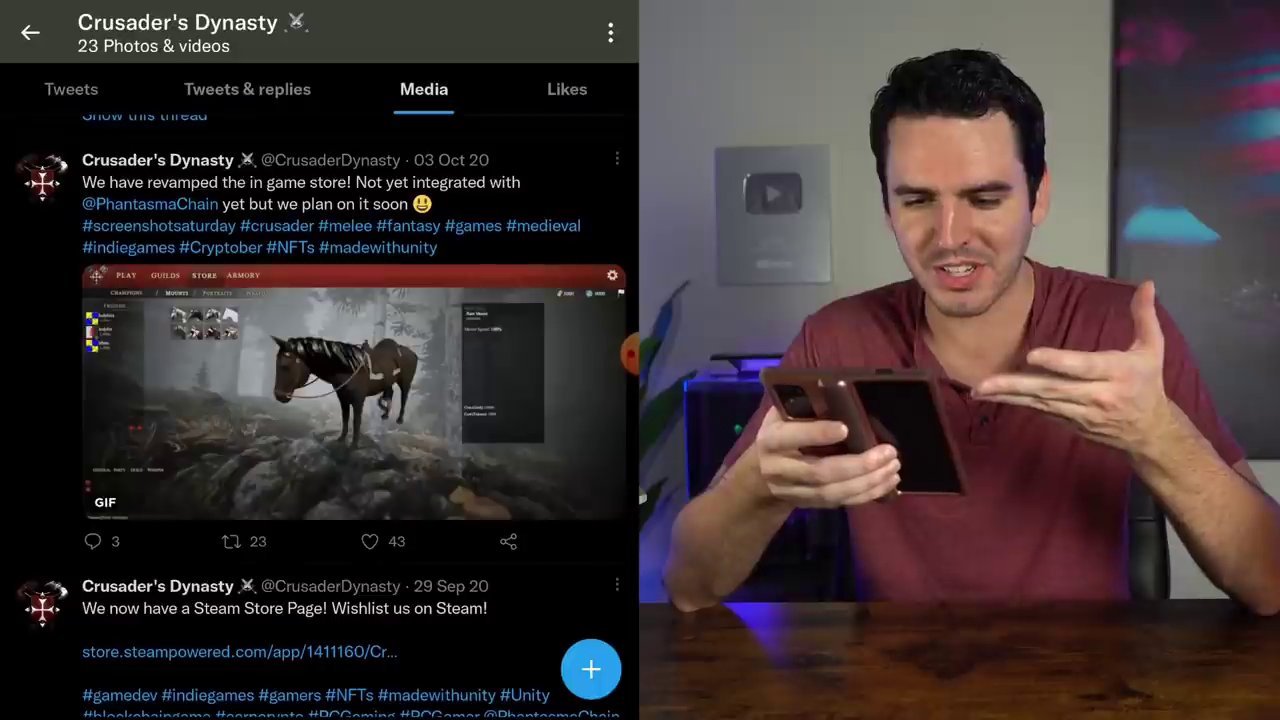
The premise is classic RPG fare—immersive combat, loot-driven progression for better weapons and armor, and the acquisition of new abilities—but supercharged by Phantasma’s blockchain. Every significant item will be an NFT, and every achievement tracked on-chain, creating a living economy where in-game accomplishments have real-world value. For the creator, this represents the ideal fusion: a high-quality, immersive gaming experience where player ownership is fundamental, not an afterthought. It’s the flagship title that could truly put Phantasma on the map for mainstream gamers.
Conclusion: A Blockchain Poised for a Breakout
The journey through these five games reveals a blockchain ecosystem that is quietly maturing. Phantasma is not just a speculative token; it’s a functional platform hosting a diverse portfolio of in-development games that leverage its unique technical strengths, particularly smart NFTs. From the mobile-friendly social play of Ghost Festival to the AAA aspirations of Crusader’s Dynasty, there is a project for nearly every type of gamer.
The overarching thesis is one of undiscovered value. Compared to other layer-one chains with multi-billion dollar valuations, Phantasma’s modest market cap seems disproportionate to its technological offerings and the quality of projects in its pipeline. As these games progress through development and begin to attract players, the potential for the ecosystem—and its SOUL token—to grow is significant. For gamers and investors tired of the hype cycles on more established chains, Phantasma represents a foundational bet on the future of player-owned gaming economies. The message is clear: keep an eye on this chain, because its most exciting chapters in play-to-earn are likely yet to be written.