


Welcome back to another edition of P2E Weekly, where we dive into the latest news and views from the world of crypto gaming. This week, we’re covering a remarkable success story that defied expectations, a crucial privacy solution for your earnings, and major industry players making bold moves. From unexpected token surges to the return of veteran projects, the landscape is buzzing with activity that offers both hope and opportunity for players and investors alike.
Fableborn: Defying the Crypto Gaming Odds
Let’s start with the story that has everyone talking: Fableborn. In a market where token generation events (TGEs) have become synonymous with immediate price dumps, this mobile game has performed a stunning reversal. I had previously expressed skepticism, noting that no TGE had performed well in crypto gaming for years. I am thrilled to have been proven wrong.

Fableborn launched its $POWER token under conditions that typically spell disaster: a listing on Binance Launchpool during a market downtrend. Yet, against all odds, the token is up nearly 200% since its launch with no significant dump. This breaks the pervasive “pump and dump” narrative that has plagued the sector. One user on X (formerly Twitter) highlighted the accessible model, stating they “never spent a dollar in the game” and netted over $3,600 from the free-to-play “Fableboard” feature.
So, what did Fableborn do right? It wasn’t just about having a fun mobile game—though many enjoy it. The key was robust tokenomics and strategic buybacks. This success stands in stark contrast to other recent launches, like the SuperFi protocol, which dumped immediately. Fableborn’s achievement proves that with the right economic design, a play-to-earn project can create real, sustained value for its community. The game is still live, rewards are still available, and it serves as a beacon of what’s possible, making it a title worth checking out if you’re exploring the top 5 play-to-earn mobile games to play and earn rewards this holiday season.
The Privacy Problem and the Savior: Confidentiality Layer
Earning tokens is one thing, but what about keeping your financial activity private? A common misconception in crypto is that it’s anonymous. In reality, blockchains are transparent ledgers. If someone links a wallet to your identity, they can see your entire transaction history—every trade, every transfer, every interaction. This isn’t privacy; it’s transparency.
This is where privacy-focused solutions become critical. While tokens like Monero exist, bridging to them can be complex and risky, as smart contracts on bridges are prime targets for hackers. Enter Confidentiality Layer, a project launching its $CLONE token.
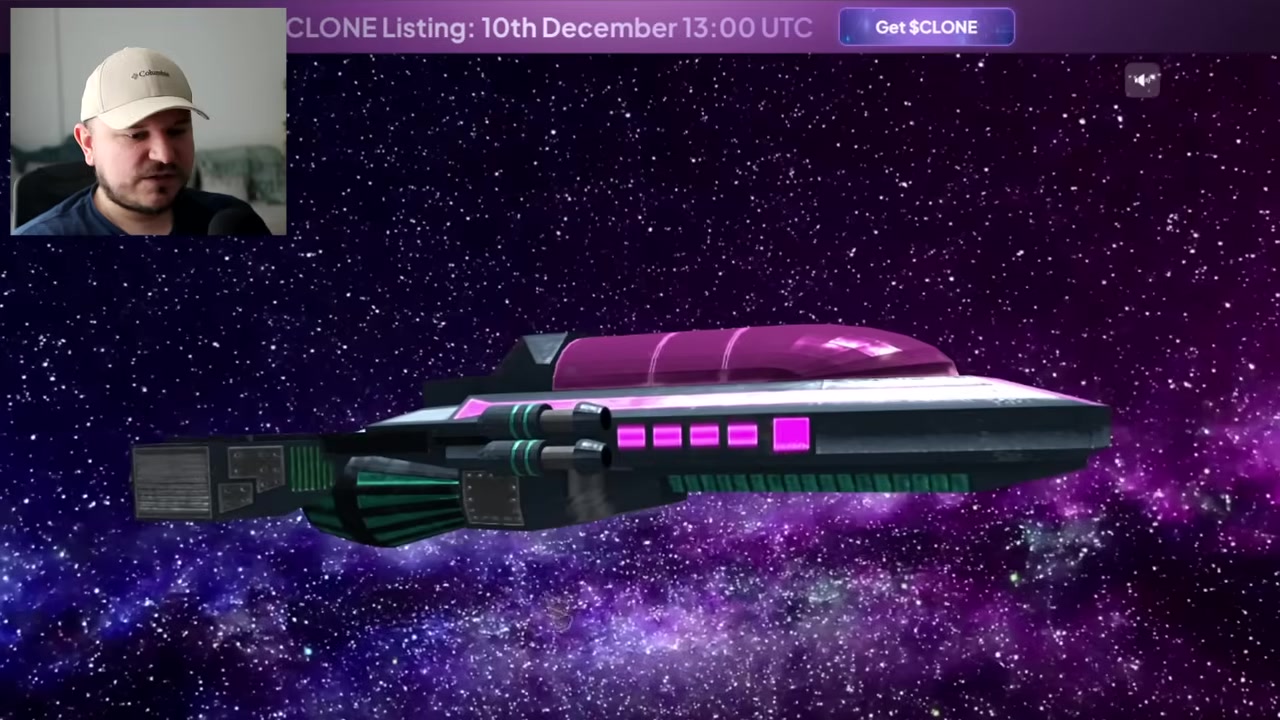
Their solution is a trustless, zero-knowledge bridge that uses Threshold Signature Schemes (TSS). Instead of relying on a centralized validator or a vulnerable multi-sig wallet, the signing key is split across a network of nodes. A transaction only proceeds when a quorum agrees, enhancing security. Most importantly, when you bridge an asset—be it Bitcoin, Solana, or USDT—this protocol hides the amount, the sender, and the recipient, while still allowing the asset to be used across decentralized finance (DeFi).
The project is currently running a “Bridge to Earn” campaign for an airdrop ahead of its token listing. Participants can complete tasks like social missions, exploration missions, and actual bridging to farm $CLONE points. For those concerned about on-chain privacy, especially with multiple wallets, this represents a significant step forward. It’s a reminder that as we earn, we must also think about securing our financial footprint.
Spotlight on Upcoming Titles: Rebel Cars and Industry Giants
Beyond immediate earnings and privacy, the future pipeline of games is heating up. One title generating buzz is Rebel Cars. This project promises a high-octane experience, and the visuals, shared by developers, look impressive—though seemingly designed for PC rather than mobile. The team, X-Sore Studios, boasts of working with giants like Sony and Samsung, though their messaging could benefit from showcasing concrete past work rather than abstract “flexes.” The intent to launch a token ($RC) solidifies its place as a crypto game to watch. The core takeaway is the palpable excitement for a quality, blockchain-integrated racing experience, a genre ripe for expansion in the play-to-earn space.
Speaking of Sony, the entertainment conglomerate is making seismic moves. Sony Bank (yes, Sony has a bank) is reportedly launching a US dollar stablecoin for games and anime. This is monumental news. The dream of earning stablecoins—a reliable, non-volatile currency—directly from gameplay is inching closer to reality. This would solve a major pain point where players earn native tokens that often depreciate. Sony is already deeply invested, having launched Sonyum, an Ethereum Layer 2 solution. Their full-throttle entry into crypto, backed by stablecoin economics, could provide the stability and mainstream trust the industry needs to attract the next wave of users. This aligns with the trend of major platforms building the infrastructure for the future of play-to-earn: 4 new crypto games you can’t miss in 2025.
Veteran Projects Stage a Comeback
The crypto gaming bear market was long and brutal, but it’s encouraging to see projects that launched years ago refusing to give up. Two notable examples are Cambria and Illuvium.
Cambria has kicked off its Season 3, with over $1 million in prizes accumulated in the “Gold Rush” contracts within the first day. The game is browser-based, allowing players to try it for free. The earning model requires an investment to withdraw, but the option to explore first and decide later is a player-friendly approach. It’s a good example of the accessible, low-barrier entry offered by many browser-based play-to-earn games you can start today.
Then there’s Illuvium. One of the most anticipated—and previously criticized—games from the 2021 cycle is back with a vengeance, promising a massive MMO update complete with open-world combat. There’s a strong collective desire in the crypto gaming community to see Illuvium succeed. They’ve endured through an extended bear market, doubled down on development, and are now showcasing new gameplay.

The recent leaks show progress, but honest feedback is crucial. While the addition of combat is a necessary step, it may not be a sufficient hook on its own to compete with top-tier Web2 titles. The project’s commitment, however, is undeniable. As one community figure noted, the majority of top creators and founders want to see Illuvium win. Their persistence is a testament to the long-term vision some teams are holding, even through immense turbulence.
Conclusion: A Market Maturing Before Our Eyes
This week’s roundup paints a picture of a crypto gaming ecosystem that is maturing. We’re moving past pure speculation and confronting real-world challenges:
- Economic Sustainability: Fableborn’s success shows that well-designed tokenomics can lead to positive price action and player rewards.
- Financial Privacy: Projects like Confidentiality Layer are addressing the critical need for privacy in a transparent ecosystem, protecting users’ financial data.
- Mainstream Integration: Giants like Sony are not just dipping a toe but diving in headfirst, bringing stablecoins and serious infrastructure.
- Long-Term Grit: Veterans like Illuvium are demonstrating resilience, learning from past mistakes, and continuing to build.
The path forward isn’t just about which game has the best graphics or the most hype. It’s about robust economics, user security, mainstream bridges, and relentless execution. For players, this means more opportunities to earn meaningfully and securely. For the industry, it’s a sign that the foundational pieces for lasting growth are being laid. The bull market for crypto gaming might finally be on the horizon, and it’s being built by both surprising newcomers and steadfast veterans.